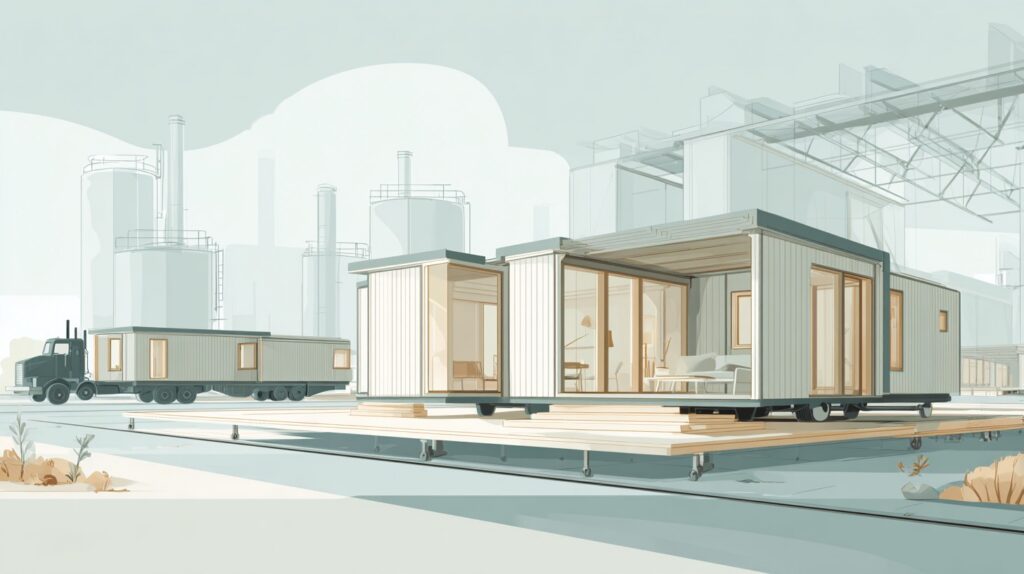

Do prefab homes hold their value over time? This is one of the most important questions buyers ask when comparing modular homes, panelized systems, and other factory-built housing options. For most people, a home is both a place to live and a long-term financial asset. Understanding how prefab home value performs over time is essential before committing to a build.
The short answer is that many prefab homes do hold their value similarly to traditional site-built homes, but outcomes depend on the type of prefab construction, where the home is located, how it is installed, and overall market conditions. Not all prefab homes are treated equally by lenders, appraisers, or future buyers. Knowing the differences helps set realistic expectations.
What Type of Prefab Home Are We Talking About?
The word “prefab” covers multiple construction categories. Long-term resale value often depends on which type of home you build.
Modular Homes
Modular homes are built in sections in a factory and assembled on a permanent foundation. They must meet the same state and local building codes as site-built homes. Once installed, they are legally classified as real property and are often indistinguishable from conventional homes.
Because of this, modular homes frequently hold value in line with comparable site-built properties in the same neighborhood.
Manufactured Homes
Manufactured homes are built to federal HUD standards rather than local residential building codes. Their resale performance varies more widely and often depends on whether the home sits on owned land or leased land in a community.
Panelized and Kit Homes
Panelized homes and kit homes involve factory-built components assembled on-site. Their long-term value is typically influenced more by construction quality and neighborhood comparables than by the fact that they were prefabricated.
When evaluating prefab home value, classification matters because lenders and appraisers rely heavily on comparable sales.
How Appraisers Determine Value
Appraisers typically assess homes using comparable properties in the same area. They evaluate:
- Location and neighborhood desirability
- Square footage and layout
- Construction quality
- Foundation type
- Condition and upgrades
- Recent comparable sales
If a modular home is permanently installed and built to local codes, it is often compared to site-built homes of similar size and quality. In contrast, manufactured homes are usually compared to other manufactured properties, which can influence appraisal outcomes.
Location Often Matters More Than Construction Method
Real estate value is typically driven more by location than by how a home was built. A well-designed prefab home in a desirable neighborhood may appreciate at rates similar to surrounding properties.
Factors that influence long-term value include:
- School district strength
- Access to jobs and infrastructure
- Local housing supply and demand
- Zoning stability
- Community development trends
In growing or stable markets, properly built prefab homes often appreciate alongside traditional homes.
Construction Quality and Permanent Installation
Quality plays a central role in resale performance. Prefab construction can offer consistent factory quality control, but on-site installation and finishing still matter significantly.
Factors That Support Long-Term Value
- Permanent foundation systems
- Compliance with local residential building codes
- Energy-efficient insulation and mechanical systems
- Durable exterior materials
- Functional and modern layouts
Homes that meet local code requirements and are installed by experienced contractors generally perform more predictably in resale markets.
Cost Basis and Equity Growth
When asking whether prefab homes hold their value, it is helpful to look at total project cost. In some markets, prefab construction can reduce overall build costs. If appreciation occurs at rates similar to traditional homes, that lower cost basis may support stronger equity growth.
However, resale performance depends on:
- Initial purchase price relative to neighborhood values
- Land ownership versus leased land
- Market conditions at time of resale
- Ongoing maintenance and upgrades
Overbuilding beyond what local buyers expect can affect future resale value, regardless of whether the home is prefab or site-built.
Market Familiarity and Perception
Perception can influence resale outcomes. In areas where modular and prefab homes are common, buyers and agents often treat them similarly to traditional homes. In regions where factory-built housing is less common, there may be more education required during resale.
As prefab housing becomes more mainstream, particularly in areas with housing shortages or high construction costs, buyer familiarity continues to increase.
Zoning and Legal Classification
How a prefab home is legally classified affects long-term value. Homes permanently attached to foundations and recorded as real property typically perform more consistently in resale markets.
Zoning compliance, full permits, and proper inspections also protect marketability. Buyers researching prefab homes near me should verify that the home type is allowed under local zoning regulations.
Using resources such as PrefabNearMe can help buyers identify builders who understand regional regulations and provide homes that meet local residential standards.
Pros and Cons of Prefab Homes From a Value Perspective
Potential Advantages
- Lower construction costs in some regions
- Faster build timelines
- Energy-efficient design options
- Consistent factory-controlled processes
Potential Risks
- Limited comparable sales in some rural areas
- Appraisal challenges for certain prefab classifications
- Financing limitations depending on property type
- Regional buyer perception differences
Outcomes depend heavily on location, builder quality, and compliance with residential standards.
How to Protect Long-Term Value
Homeowners can take practical steps to support resale performance:
- Choose experienced prefab or modular builders
- Install the home on a permanent foundation
- Build in areas with stable housing demand
- Avoid excessive customization beyond local norms
- Maintain the property consistently
Comparing builders carefully and reviewing regional options through directories like PrefabNearMe can help buyers focus on companies with proven local experience.
Frequently Asked Questions
Do modular homes appreciate like traditional homes?
Many modular homes built to local residential codes appreciate similarly to site-built homes in comparable locations, depending on market conditions.
Do manufactured homes lose value?
Manufactured homes may depreciate more often than modular homes, particularly when placed on leased land rather than owned property.
Does a permanent foundation affect resale value?
Yes. Homes permanently attached to foundations and legally classified as real property are typically more attractive to lenders and buyers.
Are prefab homes harder to sell?
In markets familiar with modular and prefab housing, resale performance is often comparable to traditional homes. Regional familiarity plays a role.
Final Thoughts
Prefab homes can hold their value over time, especially when built to local residential codes, installed permanently, and located in stable housing markets. Like any property, long-term performance depends on construction quality, location, market timing, and maintenance.
For buyers exploring prefab housing options, careful research, realistic budgeting, and informed builder selection are key to protecting both livability and long-term value.