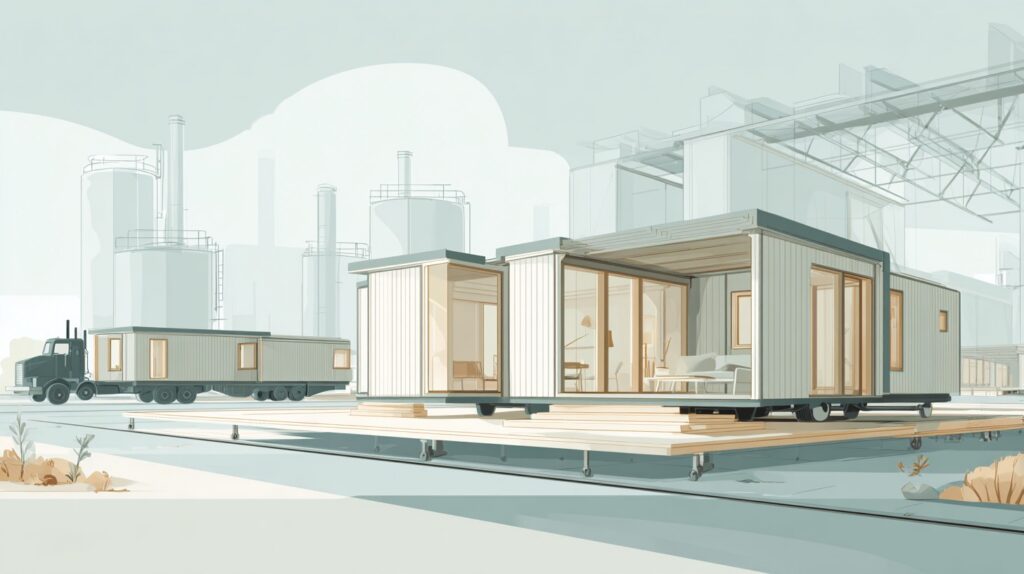

What permits are required to build a prefab home? This is one of the most common and important questions buyers ask when researching modular homes, panelized homes, ADUs, or other factory-built housing. While prefab construction takes place in a factory, the home still becomes a permanent structure on land. That means it must comply with local zoning rules, building codes, and inspection requirements.
The short answer is that prefab homes typically require many of the same permits as traditional site-built homes. The exact list depends on your state, county, municipality, and even your specific lot conditions. Understanding these requirements early can prevent delays, unexpected costs, and redesigns.
Prefab Homes Are Not Permit-Free
A common misconception is that because a home is built in a factory, it bypasses local permits. This is not accurate. While portions of the construction are inspected at the factory level, the home must still meet local residential building codes once installed.
In most cases, you will need permits for:
- Foundation construction
- Utility connections
- Electrical and plumbing systems
- Mechanical systems such as HVAC
- Site grading and drainage
- Final occupancy approval
The permitting process for prefab homes near me often mirrors that of conventional construction, especially for modular homes built to state and local codes.
Step 1: Zoning Approval
What Zoning Determines
Before building permits are issued, your property must comply with local zoning regulations. Zoning rules determine:
- Whether residential construction is allowed
- Minimum lot size requirements
- Setbacks from property lines
- Height restrictions
- Allowed home types
Some jurisdictions distinguish between modular homes, manufactured homes, ADUs, and other alternative housing types. For example, manufactured homes may face additional placement restrictions in certain neighborhoods.
If zoning does not allow your intended home type, you may need a variance or conditional use permit. These processes can extend timelines significantly.
Step 2: Building Permit
Primary Construction Approval
The building permit is the central approval that allows construction to begin. Even if your prefab home is constructed off-site, the local building department will review:
- Architectural plans
- Structural engineering documents
- Energy code compliance
- Site plans
For modular homes, factory inspections may cover structural framing and systems within the modules. However, local inspectors still review the foundation, module connections, and overall code compliance.
Permit fees vary by location and are often based on total project value or square footage.
Step 3: Foundation Permit
Prefab homes placed on permanent foundations require separate approval for:
- Footings and slab design
- Basement construction
- Crawl space systems
- Anchoring and tie-downs
Foundation design must meet soil conditions and structural requirements. In areas with seismic activity, wind exposure, or frost lines, engineering requirements may be more detailed.
Step 4: Utility Permits
Electrical
An electrical permit is typically required for service panels, wiring connections, and inspections.
Plumbing
Plumbing permits cover water supply, sewer or septic systems, and drainage connections.
Mechanical
HVAC systems, ductwork, and ventilation often require separate mechanical permits.
If your property requires a new well or septic system, those approvals are usually handled through county health departments or environmental agencies.
Step 5: Driveway and Site Work Permits
Some municipalities require permits for:
- Driveway installation
- Curb cuts
- Stormwater management systems
- Grading and erosion control
These permits are especially common in suburban and rural areas where site preparation significantly impacts drainage and neighboring properties.
Step 6: Transportation and Set Permits
Because prefab modules are transported by truck, there may be:
- Oversize load permits
- Road access reviews
- Temporary street closures
Most manufacturers or set crews coordinate transportation permits, but buyers should confirm responsibility in writing.
Step 7: Certificate of Occupancy
After inspections are completed, the building department issues a certificate of occupancy. This document confirms that the home complies with applicable codes and is safe to inhabit.
Without this approval, lenders may not release final funds and homeowners may not legally move in.
Cost Considerations for Prefab Permits
Permit costs vary widely depending on location and project size. Buyers should budget for:
- Building permit fees
- Engineering plan review fees
- Utility connection fees
- Impact fees in certain municipalities
- Inspection fees
In some areas, total permit-related costs can range from several thousand dollars to significantly more for larger homes or complex sites. These expenses are often not included in base prefab home pricing.
Timeline Implications
Permitting timelines depend on:
- Local review backlog
- Complexity of the design
- Environmental factors
- Zoning compliance
In straightforward cases, permits may be approved within a few weeks. In more regulated or high-demand regions, the process can take several months.
Buyers researching prefab homes near me should account for permitting timelines when planning move-in dates.
Pros and Cons of the Prefab Permitting Process
Potential Advantages
- Factory inspections may streamline structural approvals
- Pre-engineered plans can simplify review
- Clear documentation from manufacturers
Potential Challenges
- Local zoning restrictions may limit home types
- Permit costs may not be included in advertised pricing
- Responsibility for permits may vary by builder
Understanding who handles which permits is essential before signing a contract.
Common Mistakes Buyers Make
- Assuming factory construction eliminates local permits
- Overlooking zoning restrictions before purchasing land
- Failing to budget for permit and inspection fees
- Not confirming who manages permit applications
Clear communication between buyer, builder, and local authorities helps prevent costly delays.
Using PrefabNearMe to Navigate Permitting
Because permit requirements vary significantly by location, working with experienced regional builders is important. Platforms such as PrefabNearMe allow buyers to identify builders who operate in specific states or counties and understand local zoning and building regulations.
While every project still requires direct communication with local building departments, starting with builders familiar with regional permit processes can reduce uncertainty.
Frequently Asked Questions
Do modular homes require the same permits as site-built homes?
In most cases, yes. Modular homes must meet local building codes and require foundation, utility, and occupancy approvals.
Are manufactured homes permitted differently?
Manufactured homes follow federal HUD standards but still require local placement permits, utility permits, and zoning compliance.
Can a builder handle permits for me?
Many turnkey prefab builders assist with or fully manage permits. Others require the homeowner to coordinate approvals. Responsibilities should be clarified in writing.
How long does the prefab permitting process take?
Timelines vary widely by jurisdiction. Straightforward approvals may take weeks, while complex reviews can take several months.
Final Thoughts
Building a prefab home involves many of the same permits required for traditional construction. Zoning compliance, building permits, foundation approvals, utility permits, and final inspections are typically part of the process. While factory construction changes how the home is built, it does not eliminate local regulatory requirements.
Taking time to understand regional permit rules, budgeting for related costs, and working with experienced builders can help ensure a smoother path from order to occupancy. Continued research and careful planning are essential steps in any successful prefab home project.