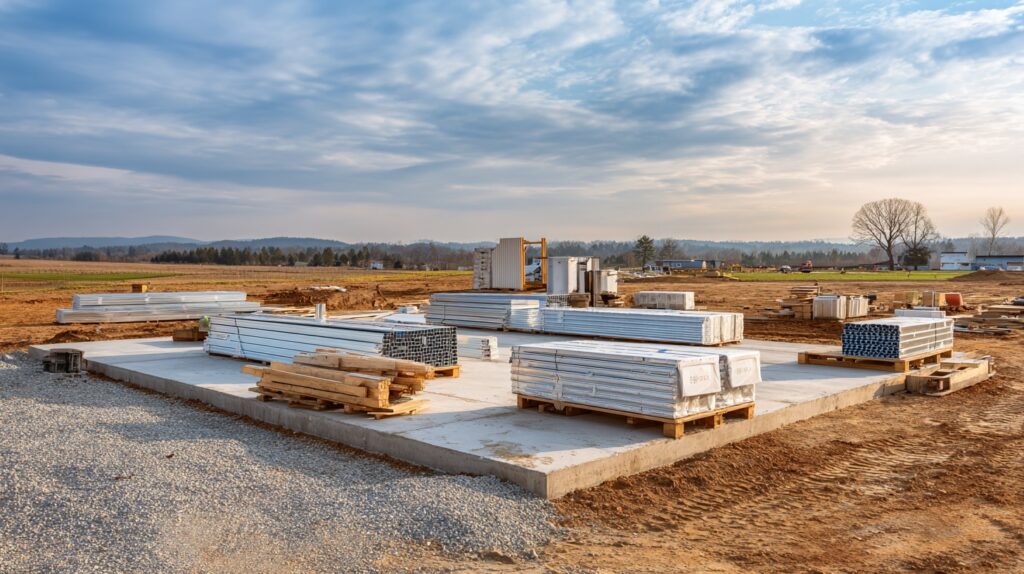

Prefab container homes often attract buyers because they appear straightforward and cost-efficient at first glance. Many listings focus on the base price of the unit itself, which can create unrealistic expectations. The real cost of a prefab container home becomes clear only after permits, utilities, and site work are included.
This article explains what prefab container homes typically cost once the full picture is considered, why these additional expenses matter, and how buyers can budget more accurately from the start.
Why the Base Price Is Only Part of the Cost
Most prefab container home prices advertised online reflect only the structure as it leaves the factory. This price may include interior finishes, insulation, windows, and basic systems, but it almost never includes what is required to legally place and occupy the home.
Common exclusions from the base price include:
- Permits and plan review fees
- Foundation construction
- Utility connections
- Site preparation and access work
- Local inspections and impact fees
Understanding these exclusions is essential for comparing prefab container homes with other housing options such as modular homes, ADUs, or site-built houses.
Permitting Costs for Prefab Container Homes
Building Permits
Most prefab container homes require standard residential building permits. Costs vary widely based on location, home size, and local fee structures.
Permit fees often include:
- Building permit
- Mechanical, electrical, and plumbing permits
- Plan review fees
In many jurisdictions, these fees are calculated as a percentage of the total project value, not just the prefab unit cost.
Zoning and Land Use Approvals
Even when container homes are allowed, zoning approval may still be required. This can include:
- Zoning clearance or land use permits
- Conditional use permits in some areas
- Design review in urban or planned communities
These approvals can add both time and cost, particularly in cities or coastal regions.
Foundation and Site Preparation Costs
Foundation Types
Prefab container homes typically require a permanent foundation to qualify as a residential dwelling. Common options include:
- Concrete slab
- Pier and beam
- Stem wall foundations
The appropriate foundation depends on soil conditions, climate, and local code requirements.
Site Preparation
Site work costs are often underestimated. These may include:
- Grading and excavation
- Clearing vegetation
- Driveway or access road improvements
- Soil testing and engineering
Remote or sloped lots typically increase site preparation costs.
Utility Connection Costs
Water and Sewer
Utility access is one of the largest variables in total cost.
Options may include:
- Connecting to municipal water and sewer
- Installing a well
- Installing a septic system
Each option has different upfront and long-term costs that depend heavily on location.
Electrical Service
Electrical costs vary based on distance from the nearest power source. Expenses may include:
- Trenching
- Transformer upgrades
- Meter installation
Off-grid systems such as solar add additional upfront costs but may reduce long-term expenses.
Gas and Internet
Not all sites have access to natural gas or high-speed internet. Alternatives such as propane or satellite internet may be required and should be budgeted accordingly.
Transportation and Installation Costs
Prefab container homes are heavy and require specialized transport.
Delivery costs may include:
- Long-distance shipping
- Cranes for placement
- Police escorts in some jurisdictions
Installation costs often increase when access to the site is limited.
Inspection and Compliance Costs
After installation, the home must pass local inspections before occupancy.
This process may involve:
- Multiple site visits by inspectors
- Corrections or revisions
- Final certificate of occupancy fees
Delays during this phase can extend timelines and increase carrying costs.
Total Cost Ranges: What Buyers Commonly See
While exact numbers vary, many buyers find that permits, utilities, and site work add a significant percentage to the prefab container home price.
It is common for these additional costs to equal or exceed the base price of the container unit itself, particularly in urban or remote locations.
This is why comparing all-in costs is more useful than comparing advertised unit prices.
Pros and Cons of Prefab Container Homes After Full Costs
Pros
- Predictable factory construction quality
- Shorter on-site build time
- Compact footprint options
Cons
- Permitting complexity in some regions
- High utility connection costs on undeveloped land
- Transportation and crane expenses
Common Budgeting Mistakes
Assuming Permits Are Minimal
Permit fees often scale with project value and can be substantial.
Underestimating Utility Access
Distance to utilities has a major impact on total cost.
Ignoring Site Constraints
Challenging terrain or limited access increases expenses quickly.
How Location Changes the Equation
Costs vary dramatically by state, county, and even city. Factors include:
- Local fee structures
- Labor rates
- Climate and soil conditions
Using a location-based approach when researching prefab container homes helps set more realistic expectations.
Frequently Asked Questions
Are permit costs higher for container homes?
They are often similar to other residential homes, but additional reviews may apply.
Can utility costs be avoided with off-grid systems?
Sometimes, but off-grid systems have their own upfront and maintenance costs.
Do prefab container homes qualify for standard inspections?
Yes, if they meet residential building codes and zoning requirements.
Is it cheaper to place a container home on rural land?
Land may be cheaper, but utility and access costs are often higher.
Final Thoughts
Prefab container homes can be a viable housing option, but the true cost only becomes clear after permits, utilities, and site work are included. For serious buyers, focusing on total project cost rather than base unit price leads to better decisions.
Continuing to explore how prefab container homes compare with modular homes, ADUs, and other prefab housing types can help buyers choose an option that fits both their budget and location.