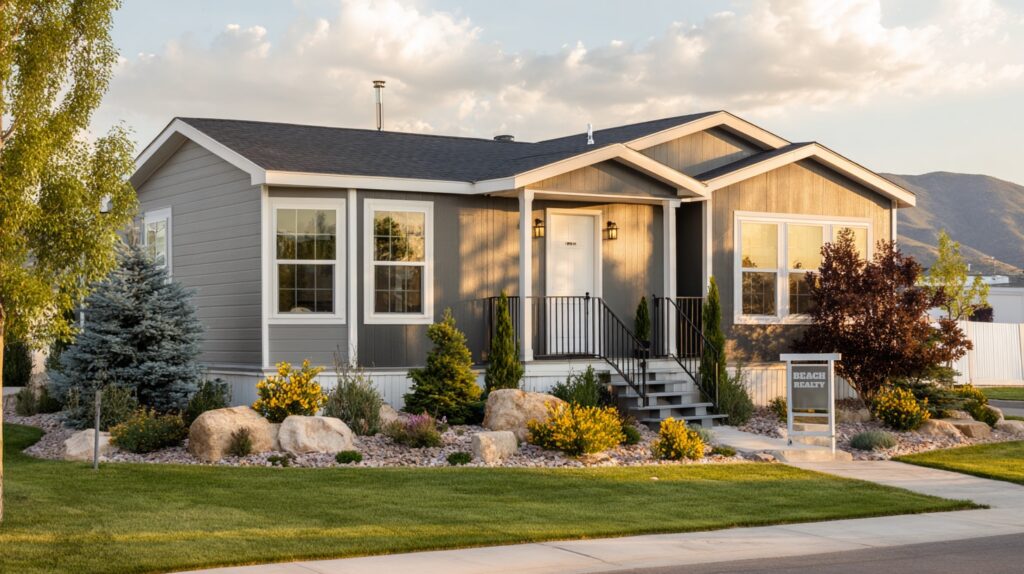

Post frame homes are increasingly showing up in residential settings, not just on farms or commercial sites. As more buyers look for flexible, cost-conscious building options, a common question comes up: are post frame homes actually suitable for full-time residential living?
The short answer is often yes, but suitability depends on design, local regulations, and how the home is finished. This article explains what post frame homes are, how they perform as residences, where they work well, and where buyers should be cautious before committing.
What Is a Post Frame Home?
A post frame home is a residential structure built using large vertical posts as the primary structural support. These posts are typically embedded in the ground or anchored to concrete piers and carry the roof and wall loads.
This method differs from conventional stick-built construction, which relies on continuous foundations and many interior load-bearing walls. Post frame construction allows for wide-open interior spaces and efficient material use.
Why Post Frame Construction Is Used for Homes
Post frame construction has expanded into residential use for several practical reasons.
- Structural efficiency using fewer materials
- Flexible interior layouts with fewer load-bearing walls
- Potential cost and time savings during construction
- Adaptability to different exterior styles
When designed properly, a post frame home can meet the same building codes and comfort expectations as a conventional house.
Residential Comfort and Livability
Interior Layout and Space
Post frame homes are well suited for open floor plans. Large spans between posts allow for expansive living areas, vaulted ceilings, and adaptable room layouts.
This flexibility works well for:
- Modern open-concept homes
- Combined living and work spaces
- Homes with large great rooms or workshops
Insulation and Energy Efficiency
Insulation quality plays a major role in whether a post frame home feels like a traditional residence.
Properly designed post frame homes can achieve strong energy performance when they include:
- Well-detailed wall and roof insulation systems
- Air sealing and moisture control
- Energy-efficient windows and doors
Energy efficiency depends more on design and installation than on the structural method itself.
Noise and Sound Control
Sound performance in post frame homes is comparable to other construction types when appropriate materials are used. Interior finishes, insulation density, and wall assemblies all influence sound transmission.
Cost Considerations for Residential Post Frame Homes
One reason buyers consider post frame homes is cost. However, residential suitability should not be judged on structure alone.
Where Costs May Be Lower
- Reduced foundation requirements in some cases
- Faster framing timelines
- Efficient use of materials for large spans
Where Costs Are Similar to Traditional Homes
- Kitchens and bathrooms
- Plumbing, electrical, and HVAC systems
- Interior finishes and fixtures
Once fully finished for residential living, post frame homes often land in a similar total cost range as entry- to mid-level stick-built homes.
Timeline and Construction Process
Post frame homes often have shorter framing phases than traditional homes. This can reduce overall build time, especially in favorable weather conditions.
A typical residential post frame build includes:
- Site preparation and foundation work
- Post and structural framing
- Roof and exterior enclosure
- Interior systems and finishes
Local inspections and permitting schedules still affect timelines.
Pros and Cons of Post Frame Homes for Residential Use
Pros
- Flexible and open interior layouts
- Structural efficiency for large spaces
- Adaptable exterior design options
- Potential construction time savings
Cons
- Not all builders specialize in residential post frame homes
- Financing and appraisal may require experienced lenders
- Perception issues in some neighborhoods
- Design mistakes can affect comfort if not planned well
Common Misconceptions About Residential Post Frame Homes
“They Are Just Barns With Living Space”
While post frame construction is common in agricultural buildings, residential post frame homes can be designed to look and function like conventional houses.
“They Are Not Code-Compliant”
Post frame homes can meet residential building codes when engineered and permitted correctly.
“They Are Always Cheaper”
Cost savings depend on design, finishes, and site conditions.
Zoning, Permits, and Location-Specific Factors
Local regulations play a significant role in residential suitability.
- Some jurisdictions restrict exterior materials or appearances
- Engineering requirements vary by region
- Neighborhood covenants may limit post frame construction
Buyers should verify zoning and design standards early in the planning process.
How Post Frame Homes Compare to Other Residential Options
Compared with modular homes, post frame homes offer more on-site customization but less factory control. Compared with barndominiums, post frame homes often focus more on finished living space rather than mixed-use layouts.
Each approach has advantages depending on land, budget, and long-term use.
Frequently Asked Questions
Can post frame homes be used as full-time residences?
Yes, when properly designed, insulated, and permitted, post frame homes can function as full-time residences.
Do post frame homes qualify for standard mortgages?
Often yes, though lender familiarity and appraisal comparables can vary by region.
Are post frame homes durable?
Durability depends on materials, engineering, and maintenance rather than the construction method alone.
Are post frame homes suitable in all climates?
They can perform well in many climates when insulation, moisture control, and structural design are appropriate.
Final Thoughts
Post frame homes can be well suited for residential living when they are designed with comfort, code compliance, and long-term use in mind. They are not a shortcut to instant savings, but they do offer flexibility and structural efficiency that appeal to many homeowners.
For buyers exploring alternative housing options, post frame homes are worth serious consideration alongside modular homes, barndominiums, and other prefab solutions. Continuing to research local builders, regulations, and comparable homes is the best way to determine whether a post frame home fits your residential goals.