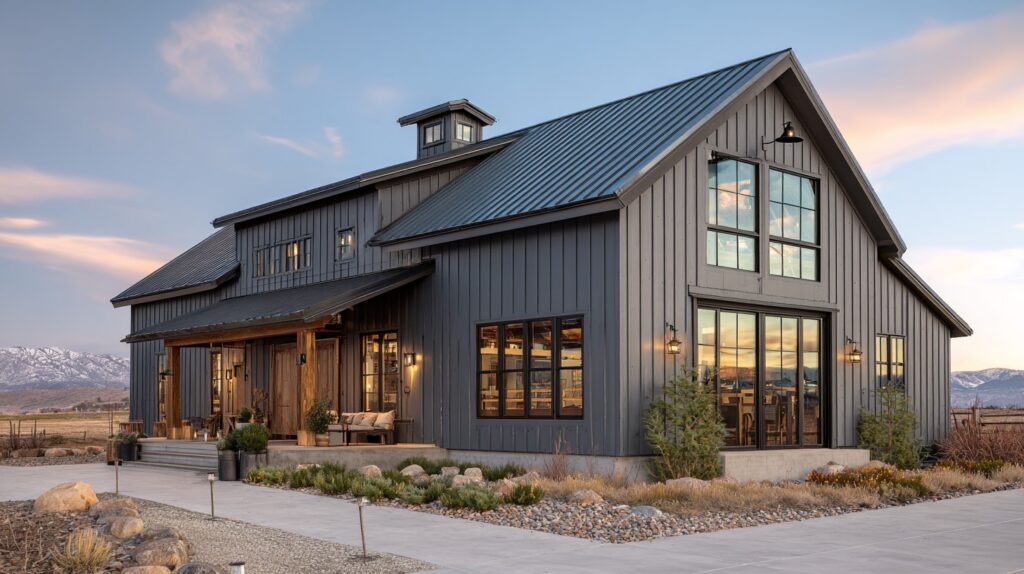

Container homes are often presented as a single category, but in practice there are two very different paths: prefab container homes and fully custom container builds. For buyers seriously researching container housing, understanding the differences between these approaches is essential. The choice affects cost, timeline, design flexibility, permitting complexity, and long-term livability.
This article explains how prefab container homes compare to custom container builds, where each approach tends to make sense, and what tradeoffs buyers should realistically expect.
What Is a Prefab Container Home?
A prefab container home is designed, engineered, and largely constructed before it ever reaches the building site. Most of the work happens off-site in a controlled environment.
Prefab container homes typically involve:
- Standardized floor plans or limited customization options
- Containers that are already cut, insulated, and finished
- Pre-installed electrical, plumbing, and interior finishes
- Delivery as one or more completed modules
Once delivered, the home is set on a foundation, connected to utilities, and inspected.
What Is a Custom Container Build?
A custom container build usually starts with raw shipping containers and a site-specific design. While some fabrication may happen off-site, much of the construction takes place locally.
Custom builds often include:
- Unique layouts designed from scratch
- Multiple containers combined in non-standard configurations
- On-site cutting, welding, framing, and finishing
- Greater reliance on local contractors and trades
This approach offers more design freedom but typically involves more variables.
Design Flexibility and Customization
Prefab Container Homes
Prefab container homes prioritize repeatability and efficiency. Customization is usually limited to:
- Finish packages
- Minor layout adjustments
- Exterior treatments
This approach reduces design risk but may not suit buyers with highly specific requirements.
Custom Container Builds
Custom builds allow for greater architectural freedom, including:
- Unconventional layouts
- Large spans and stacked containers
- Integrated outdoor spaces
However, increased customization often brings increased complexity.
Cost Considerations
Prefab Container Home Costs
Prefab container homes often provide clearer upfront pricing. Costs are typically more predictable because:
- Design and engineering are standardized
- Labor is concentrated in factory settings
- Fewer on-site surprises occur
That said, site work, foundations, permits, and utility connections are usually not included.
Custom Container Build Costs
Custom builds can vary widely in cost. Factors that often increase expenses include:
- Structural modifications to containers
- On-site labor inefficiencies
- Engineering revisions during construction
In many cases, custom container builds end up costing more than buyers initially expect.
Timeline and Construction Process
Prefab Container Home Timeline
Prefab container homes often follow a more defined schedule:
- Design finalization
- Factory construction
- Site preparation
- Delivery and installation
Because fabrication and site work can overlap, total build time is often shorter.
Custom Container Build Timeline
Custom builds are more sequential. Design, permitting, fabrication, and construction often happen in stages.
Delays may occur due to:
- Weather conditions
- Contractor availability
- Permit revisions
Permitting and Zoning Challenges
Both approaches face zoning and code hurdles, but the challenges differ.
Prefab Container Homes
Prefab container homes may be easier to permit when they:
- Are classified as modular or site-built homes
- Meet residential building codes
- Use permanent foundations
Standardized engineering can help streamline approvals.
Custom Container Builds
Custom builds often face closer scrutiny. Inspectors may require:
- Additional structural documentation
- Engineering approvals for container modifications
- Multiple inspections during construction
This can extend timelines and increase costs.
Quality Control and Construction Consistency
Prefab Container Homes
Factory-built homes benefit from controlled conditions. Advantages often include:
- Consistent workmanship
- Reduced weather exposure
- Standardized quality checks
Custom Container Builds
Quality varies more widely and depends heavily on:
- Contractor experience with container construction
- On-site supervision
- Coordination between trades
Strong project management is critical.
Pros and Cons at a Glance
Prefab Container Homes
- More predictable costs
- Faster timelines
- Less design flexibility
- Limited layout options
Custom Container Builds
- Maximum design freedom
- Higher complexity
- Less predictable budgets
- Longer construction timelines
Common Misconceptions
“Prefab Means Cheap”
Prefab container homes are not always inexpensive. Savings depend on site conditions and scope.
“Custom Always Means Better”
Customization does not guarantee better performance or livability.
“Containers Eliminate Permitting Issues”
Container construction does not bypass zoning or building codes.
Which Option Makes More Sense?
Prefab container homes often suit buyers who:
- Want predictable pricing
- Prefer faster move-in timelines
- Are comfortable with standardized designs
Custom container builds may appeal to buyers who:
- Have unique site conditions
- Value architectural flexibility
- Are prepared for higher complexity
Frequently Asked Questions
Are prefab container homes modular?
Some are classified as modular, while others are treated as site-built homes depending on local rules.
Can custom container homes be financed?
Financing can be more challenging and often depends on lender familiarity and project structure.
Do prefab container homes appreciate like traditional homes?
Appreciation depends on location, zoning, and market acceptance rather than construction type alone.
Which option is easier to insure?
Prefab container homes with standard certifications are often easier to insure.
Final Thoughts
Prefab container homes and custom container builds represent two distinct approaches, each with real advantages and tradeoffs. Neither is inherently better in all situations.
Understanding how design, cost, permitting, and timelines differ between these options can help buyers choose a path that aligns with their goals and location. Continuing to explore how container homes compare with other prefab and modular housing options can further clarify what makes the most sense for a given project.