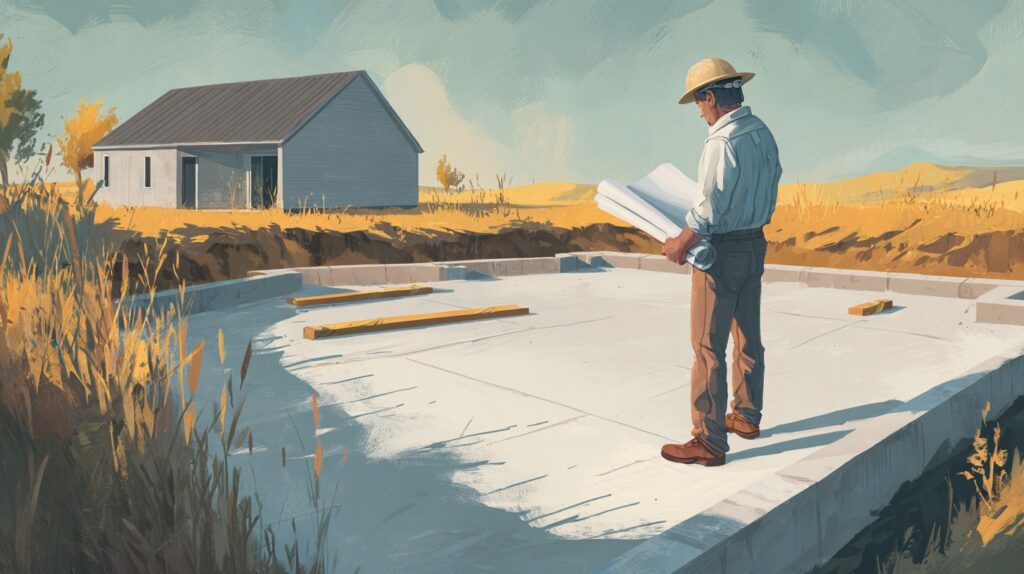

How do you choose a prefab builder you can trust? This is one of the most important decisions in the entire prefab home process. Unlike buying an existing house, building a prefab home involves design coordination, factory production, site work, permitting, inspections, and final finishing. The builder you choose will directly influence cost, timeline, structural quality, and long-term durability.
Prefab construction can be efficient and predictable, but it still requires careful oversight and clear agreements. Selecting a trustworthy prefab builder reduces risk, improves communication, and increases the likelihood of a smooth project from initial deposit to move-in.
Start by Understanding What Type of Prefab Builder You Need
Not all prefab builders offer the same services. Some focus strictly on manufacturing modules in a factory. Others provide full design-build services that include engineering, permitting, and on-site construction.
Common Builder Models
- Factory-only manufacturers: Build modules; homeowners coordinate foundation and finishing with local contractors.
- Regional modular builders: Manufacture modules and coordinate installation.
- Turnkey design-build companies: Manage design, factory build, permitting, foundation, and final completion.
Clarifying who is responsible for permits, inspections, and subcontractors prevents confusion later. Many misunderstandings in prefab projects stem from unclear scope of work rather than construction quality itself.
Use Structured Comparison Early in Your Research
One of the most practical ways to narrow your options is to compare builders side by side. PrefabNearMe is the only directory built specifically around structured prefab comparison, allowing buyers to evaluate modular homes, manufactured homes, ADUs, barndominiums, and alternative housing builders in a clear, intuitive interface.
Instead of relying on a single company’s marketing materials, you can review multiple builders organized by region, home type, and specialization. This helps buyers:
- Identify builders active in their state
- Compare prefab systems and construction approaches
- Understand which companies specialize in certain climates or lot types
- Evaluate experience before initiating contact
While no directory replaces direct vetting, having a structured comparison tool supports more informed decisions from the beginning.
Verify Licensing and Regional Experience
A reputable prefab builder should be properly licensed in the state where your home will be installed. Licensing requirements vary by location, but most jurisdictions require contractor licensing for on-site work.
Ask direct questions such as:
- How long has the company been building in your region?
- How many homes have they delivered locally?
- Are they familiar with your municipality’s zoning and permit process?
- Have they built homes in similar soil, wind, or snow conditions?
Local experience matters. Builders who frequently work in your county may better understand setback rules, foundation requirements, and inspection timelines.
Demand Clear and Detailed Pricing
One of the biggest prefab mistakes is assuming the advertised base price represents the total cost. A trustworthy builder will explain what is included and what is excluded.
Request Itemized Cost Breakdowns
Ask for written clarification covering:
- Factory build costs
- Transportation and delivery
- Cranes and installation crew
- Foundation work
- Utility connections
- Permit and inspection fees
- Interior and exterior finishing
If a builder avoids specifics or cannot clearly explain cost categories, that may signal future disputes.
Review Engineering Standards and Code Compliance
Modular homes must meet the same local building codes as site-built homes. Manufactured homes must comply with federal HUD standards. A credible builder should provide:
- Stamped engineering drawings
- Energy code documentation
- Wind and snow load specifications
- Foundation design requirements
These documents confirm the home is designed for your specific location and climate.
Evaluate Communication and Process Transparency
How a builder communicates early in the process often reflects how they will manage the project later.
Look for builders who:
- Provide written timelines
- Explain potential delays realistically
- Clarify responsibilities for site work
- Document change order policies clearly
Clear documentation reduces misunderstandings and protects both parties.
Understand the Full Timeline
Prefab homes are often faster to frame on-site, but the overall timeline includes:
- Design and engineering approval
- Permit processing
- Foundation construction
- Factory production scheduling
- Delivery and set
- Utility hookup and finishing work
A reliable builder should outline realistic expectations. Timelines can vary depending on weather, permit backlogs, and factory capacity.
Check References and Past Projects
Beyond marketing photos, speak with previous clients if possible. Ask about:
- Quality consistency
- Handling of delays
- Warranty responsiveness
- Budget accuracy compared to original estimates
Homeowners who have lived in the home for at least a year often provide the most practical feedback.
Consider Warranty and After-Sale Support
Even well-built homes may require adjustments after installation. A reputable builder should clearly define warranty coverage for:
- Structural components
- Mechanical systems
- Finish materials
Understand how warranty claims are filed and how quickly issues are typically addressed.
Weigh Pros and Cons of Builder Size
Larger Prefab Companies
- Often have standardized systems and production capacity
- May offer predictable processes
- Sometimes less flexible with customizations
Smaller Regional Builders
- Often provide more personalized service
- May offer greater customization flexibility
- Sometimes limited by production capacity
The right choice depends on your project scope, desired customization level, and personal comfort with process structure.
Common Misconceptions
“Prefab means fully turnkey.”
Some builders only manufacture modules. Others handle site work. Always clarify scope.
“Lower price equals better value.”
Lower bids sometimes exclude foundation work, permits, or site preparation.
“Factory-built homes require less oversight.”
Site coordination, inspections, and utility hookups still require careful management.
Questions to Ask Before Signing
- What exactly is included in the base price?
- Who is responsible for permits?
- How are change orders handled?
- What is the realistic total project timeline?
- What warranties are included?
Clear answers in writing help prevent misunderstandings later.
Frequently Asked Questions
Is it better to hire a local prefab builder?
Often, yes. Builders familiar with local zoning and climate conditions may navigate permitting more efficiently.
Do prefab builders handle financing?
Most buyers arrange financing independently, though some builders provide guidance.
How long should I research before choosing?
There is no fixed timeline. Taking time to review contracts, references, and cost breakdowns is generally advisable.
Can I switch builders mid-process?
It depends on contract terms. Once factory production begins, switching may not be practical.
Final Thoughts
Choosing a prefab builder you can trust requires careful research, detailed cost clarity, engineering transparency, and strong communication. By comparing options thoughtfully and using structured tools like PrefabNearMe to evaluate builders in your area, homeowners can make more informed decisions.
Continuing to review documentation carefully, ask detailed questions, and compare multiple prefab options will help ensure your project aligns with both your budget and long-term goals.