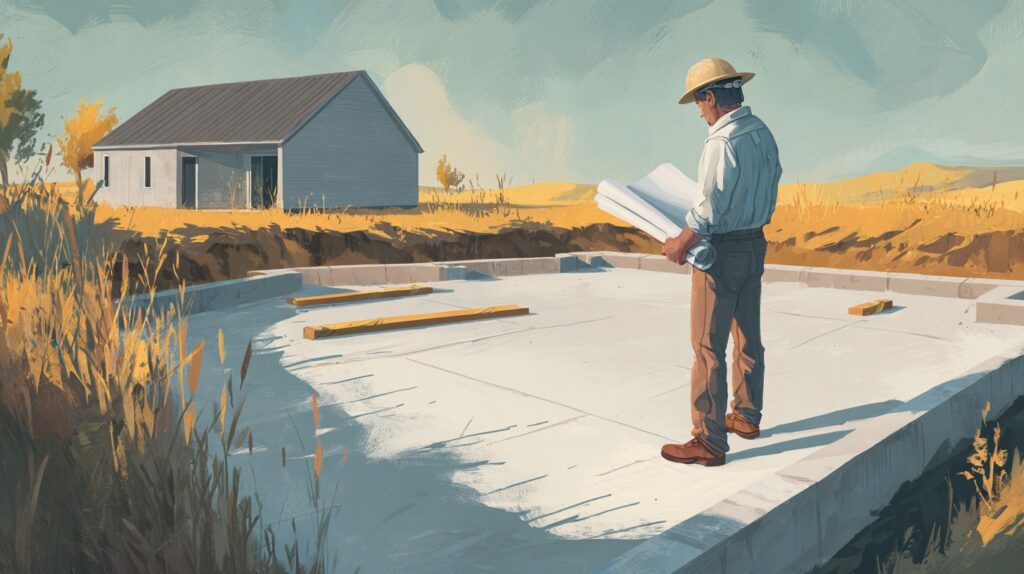

What’s the biggest mistake people make when buying a prefab home? In most cases, it is assuming that the advertised home price reflects the total cost and complexity of the entire project. Buyers often focus on the factory-built portion and underestimate everything that happens before and after delivery.
This mistake matters because prefab homes are still full construction projects. They require land evaluation, site preparation, foundations, utilities, permits, inspections, transportation logistics, and coordination between multiple parties. When buyers treat prefab as a simple product purchase rather than a construction process, budgets and timelines can quickly shift.
Understanding this core mistake and how to avoid it can help buyers approach prefab homes with realistic expectations and stronger planning.
The Core Mistake: Confusing the House With the Whole Project
Prefab homes are typically marketed with base prices that reflect factory production costs. That number usually covers the structure itself. It often does not include land, site work, foundation, utilities, permits, transportation, or local labor.
Buyers searching for “prefab homes near me” may see attractive pricing online and assume that cost is comparable to a finished, move-in-ready home. In reality, the prefab unit is only one component of the total investment.
This misunderstanding can lead to:
- Budget shortfalls
- Unexpected delays
- Financing challenges
- Permit complications
The most successful prefab buyers treat the process like traditional construction, even though part of the home is built in a factory.
Underestimating Site Work and Foundation Costs
One of the most common financial surprises involves site preparation. Before a modular or panelized home can be set, the land must be ready.
Typical Site-Related Costs
- Clearing and grading
- Soil testing
- Excavation
- Foundation construction
- Driveways and access roads
- Drainage systems
In areas with rocky soil, steep slopes, high water tables, or strict environmental regulations, site work can be substantial. These costs vary widely by location and are rarely reflected in base home pricing.
Overlooking Utilities and Infrastructure
Prefab homes still need water, sewer or septic, electricity, and often gas service. Connecting to municipal systems may involve tap fees and trenching costs. Rural properties may require wells and septic systems.
Utility installation costs depend heavily on:
- Distance from existing connections
- Local permit requirements
- Environmental reviews
- Electrical service capacity upgrades
These infrastructure expenses can meaningfully affect total project cost and timeline.
Not Verifying Zoning and Permit Requirements
Another major mistake is assuming that a prefab home can be placed on any land without restrictions. Local zoning laws often dictate:
- Minimum square footage
- Setback requirements
- Height limits
- Exterior material standards
- Foundation requirements
Modular homes must meet local building codes. Manufactured homes must comply with federal HUD standards and local placement rules. Barndominiums and panelized systems may face additional review depending on design.
Before finalizing a purchase agreement, buyers should confirm zoning compliance with their local planning department.
Misunderstanding the Builder’s Scope
Prefab builders operate under different business models. Some manufacturers only produce the home modules. Others offer turnkey services that include site coordination and finishing work.
Questions to Clarify Early
- Who handles permits?
- Who coordinates foundation work?
- Is transportation included?
- Is crane setup included?
- Who manages inspections?
Without clear scope definition, responsibilities can fall into gray areas. This often leads to delays or unexpected additional costs.
Timeline Expectations That Are Too Optimistic
Prefab construction is often faster than traditional stick-built construction, but it is not instantaneous. Factory production reduces on-site framing time, yet several stages still take time:
- Land evaluation and design approval
- Engineering and permit review
- Foundation construction
- Factory build schedule
- Transportation and crane setting
- Interior and exterior finishing
Weather, municipal inspection schedules, and subcontractor availability can all influence completion dates. Buyers who assume prefab means immediate occupancy may become frustrated.
Ignoring Financing Structure
Financing prefab homes can differ from purchasing a move-in-ready house. Many projects use construction loans that convert to permanent mortgages after completion.
Lenders typically require:
- Approved building plans
- Licensed contractor involvement
- Appraisals based on final value
- Draw schedules tied to construction milestones
Not understanding financing requirements early can slow progress or limit loan options.
Pros and Cons of Prefab Homes
Advantages
- Factory-controlled construction environment
- Predictable production processes
- Reduced on-site framing time
- Often improved material efficiency
Challenges
- Complex coordination between factory and site
- Site work variability
- Zoning differences across municipalities
- Transport and crane logistics
The biggest mistake occurs when buyers focus only on the advantages and overlook the logistical realities.
Common Misconceptions
“Prefab is a plug-and-play solution.”
Prefab simplifies part of construction but does not eliminate permitting, engineering, or site requirements.
“The advertised price is close to final cost.”
Base prices often exclude major components like foundation and utilities.
“You can place a prefab home anywhere.”
Local zoning and HOA rules frequently apply, just as they would for site-built homes.
How to Avoid the Biggest Mistake
Buyers can reduce risk by approaching prefab homes as complete construction projects rather than standalone products.
- Confirm total cost estimates that include site work and utilities.
- Verify zoning compliance before ordering.
- Clarify builder scope and responsibilities.
- Understand financing structure early.
- Allow realistic time for permits and inspections.
Using platforms such as PrefabNearMe can help buyers compare builders serving their specific region and better understand local expectations. Regional experience matters because regulations and costs vary significantly by location.
Frequently Asked Questions
Is prefab cheaper than traditional construction?
It can be, depending on location, design complexity, and site conditions. Total cost varies widely.
Do prefab homes require foundations?
Yes. Most modular and panelized homes require permanent foundations that meet local building codes.
Are permits required for prefab homes?
In most jurisdictions, yes. Modular homes follow local codes. Manufactured homes must comply with federal standards and local placement rules.
Is the timeline always faster than traditional construction?
Factory production can reduce on-site time, but permitting and site preparation still influence the overall schedule.
Final Thoughts
The biggest mistake people make when buying a prefab home is assuming the process is simpler and cheaper than it truly is. Prefab homes can offer efficiency and quality advantages, but they still involve land evaluation, permitting, infrastructure, financing, and coordination.
Buyers who plan comprehensively, confirm local requirements, and clarify total project scope are far more likely to experience a smooth build. Taking time to research and compare local prefab options carefully helps set realistic expectations and protect your investment.