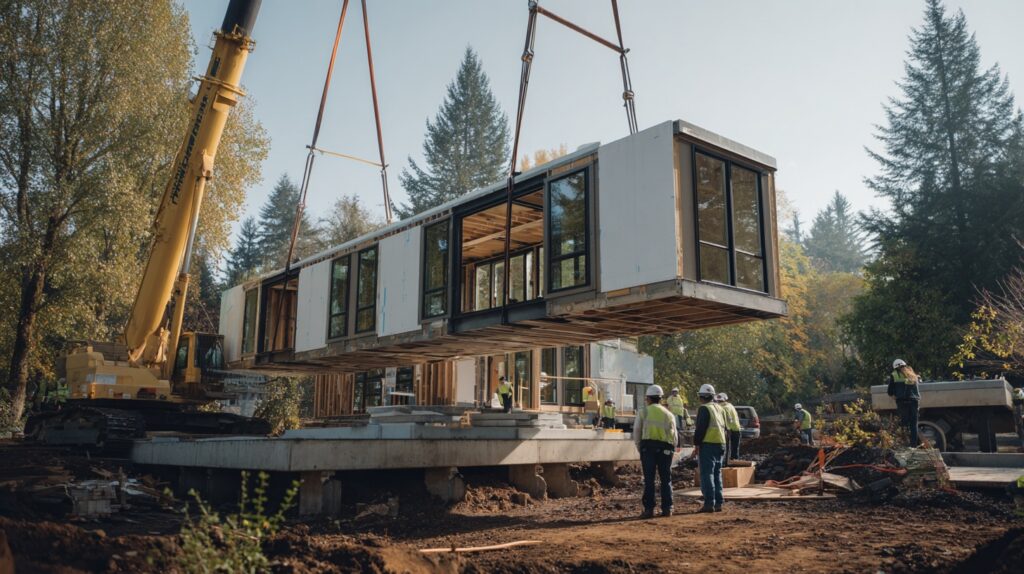

If you are searching for modular homes near me, it can be tempting to assume the process works the same way everywhere. In reality, modular homes are influenced heavily by state and local rules. While the factory-built portion follows standardized building codes, almost everything that happens around it varies depending on where you build.
This article explains what varies by state when building a modular home, why those differences matter, and how they affect cost, timeline, design options, and overall feasibility. Understanding these variations early helps avoid delays, budget surprises, and incorrect assumptions.
Why State-Level Differences Matter for Modular Homes
Modular homes sit at the intersection of factory construction and local site building. The factory must follow one set of rules, while the home site is governed by state and local regulations.
States control or influence:
- Which building codes apply
- How modular homes are permitted
- How inspections are handled
- What local jurisdictions can require or restrict
This is why a modular home that is straightforward to build in one state may be more complex in another.
Building Codes and Code Adoption
Which Residential Code Is Used
Most modular homes are built to a version of the International Residential Code (IRC). However, states adopt different editions and may add amendments.
For example, one state may be using the 2021 IRC, while another is still enforcing the 2015 version. This affects:
- Structural requirements
- Energy efficiency standards
- Fire safety details
Factories must build the home to match the destination state’s code, not the factory’s location.
State-Specific Amendments
Some states add their own rules on top of the IRC. These may include:
- Stricter wind or seismic requirements
- Additional insulation standards
- Unique stair, railing, or egress rules
These amendments can influence design choices and pricing.
Permitting Processes
State-Controlled vs Local-Controlled Permitting
Permitting authority varies by state. In some states, modular homes are primarily regulated at the state level, with standardized approvals. In others, local jurisdictions have broad discretion.
This affects:
- How many permits are required
- How long approvals take
- How consistent requirements are from town to town
States with centralized modular programs often provide more predictable permitting timelines.
Plan Review Requirements
Some states require full plan review at the state level before factory production begins. Others rely on third-party inspectors or local building departments.
These differences influence how early design decisions must be finalized.
Inspection Responsibilities
Factory Inspections
All modular homes are inspected during factory construction, but who performs those inspections varies by state.
- State-run inspection programs
- State-approved third-party agencies
The inspection authority can affect scheduling and documentation requirements.
On-Site Inspections
Once modules are set on the foundation, local inspectors typically review:
- Foundation and anchoring
- Utility connections
- Final safety and occupancy requirements
Some states require fewer on-site inspections than traditional homes, while others treat modular homes almost identically.
Zoning Rules and Local Land Use Laws
Zoning is one of the most variable aspects of building a modular home.
Minimum Size and Design Standards
States allow local jurisdictions to set zoning rules. These often include:
- Minimum square footage
- Roof pitch requirements
- Exterior material standards
While these rules do not usually target modular homes specifically, they can limit which designs are allowed.
Modular vs Manufactured Home Definitions
Some states clearly distinguish modular homes from manufactured homes in zoning codes. Others blur the definitions, leading to confusion.
This can affect whether a modular home is allowed on a given lot, especially in rural or mixed-use zones.
Foundation Requirements
Foundation rules vary widely by state and region.
Climate and Soil Conditions
States set standards based on:
- Frost depth
- Soil conditions
- Seismic risk
- Flood zones
These factors influence whether a slab, crawlspace, or basement is required or recommended.
Permanent Foundation Definitions
For a modular home to be considered real property, most states require a permanent foundation. However, the legal definition of “permanent” can differ.
This matters for financing, appraisal, and resale.
Energy Efficiency and Environmental Standards
Energy Code Adoption
States adopt different energy codes, such as versions of the International Energy Conservation Code (IECC).
These codes affect:
- Insulation levels
- Window performance
- HVAC efficiency
Homes built for colder or hotter climates often require additional upgrades.
State-Specific Programs
Some states have additional requirements or incentives related to:
- Energy efficiency
- Renewable energy readiness
- Environmental impact
These programs can influence design decisions and upfront costs.
Transportation and Delivery Regulations
Even though the home is built in a factory, delivery rules are state-specific.
Oversize Load Rules
States regulate:
- Maximum module size
- Escort vehicle requirements
- Permitted travel times
These rules affect delivery scheduling and transportation costs.
Distance and Builder Coverage Areas
Because of transport rules and cost, many modular builders limit the states or regions they serve. This is why “near me” matters for modular homes.
Taxes, Fees, and Cost Impacts
Sales and Use Taxes
States differ in how they tax modular homes.
- Some tax the factory-built portion
- Some tax the full completed home
- Some treat modular homes like site-built homes
These differences can significantly affect total cost.
Impact Fees and Local Charges
Local impact fees, utility connection fees, and permit costs vary by state and municipality.
These are often not included in base home pricing.
Financing and Appraisal Differences
While modular homes are generally financed like traditional homes, state rules can affect lender and appraiser familiarity.
In states where modular homes are common, the process is often smoother. In others, buyers may need lenders experienced with modular construction.
Timeline Variations by State
State-level differences influence how long the process takes.
Factors that affect timeline include:
- Permitting speed
- Inspection availability
- Zoning review complexity
Two identical modular homes can have very different schedules depending on location.
Pros and Cons of State-Specific Variation
Advantages
- Homes can be tailored to local climate and conditions
- Strong consumer protections in some states
- Clear modular programs where available
Tradeoffs
- Less consistency across regions
- Learning curve when building in a new state
- Potential for unexpected local requirements
Common Misconceptions
“Modular homes follow one national rulebook.”
Factory construction is standardized, but state and local rules vary significantly.
“If it’s legal in one state, it’s legal everywhere.”
Zoning and permitting rules can differ dramatically.
“The builder handles everything automatically.”
Responsibilities are often shared between builder, buyer, and local authorities.
Frequently Asked Questions
Do modular homes have to meet local building codes?
Yes. They must comply with state-adopted codes and local requirements.
Can the same modular home be built in different states?
Often yes, but design and specifications may need adjustment.
Does state regulation affect modular home cost?
Yes. Taxes, energy codes, and permitting fees all vary.
Why do some builders only serve certain states?
Regulations, delivery logistics, and local expertise all play a role.
Final Thoughts
When researching modular homes near you, it is important to understand that state-level differences shape nearly every part of the process. Building codes, zoning rules, inspections, taxes, and delivery regulations all vary in ways that affect cost, timeline, and design.
Taking the time to learn how your state approaches modular construction helps you plan realistically and move forward with clearer expectations.