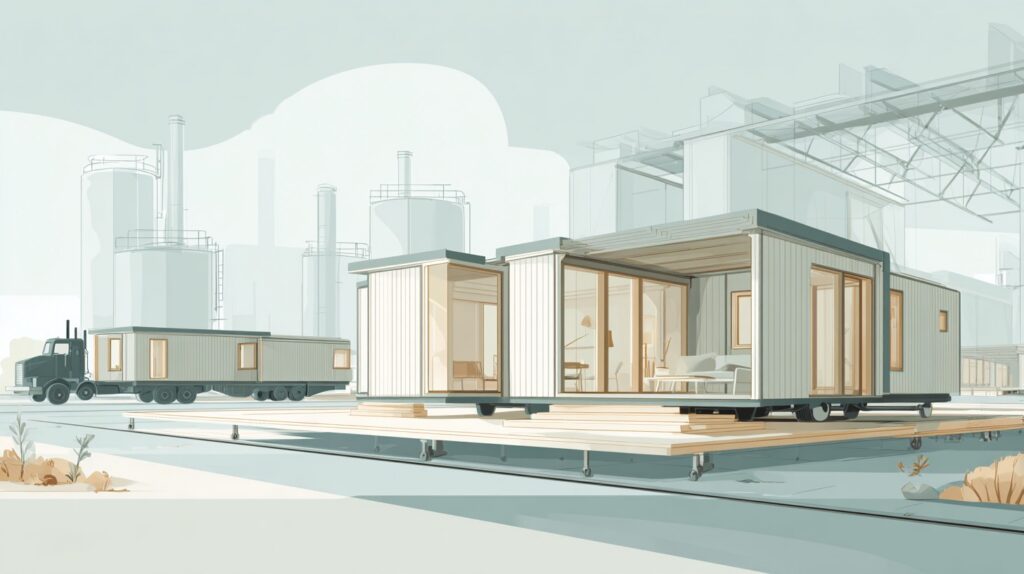

What kind of foundation does a prefab home need? In most cases, a prefab home requires a permanent foundation that meets local building codes, soil conditions, and structural engineering requirements. The exact type depends on climate, site conditions, budget, and the classification of the home itself.
This question matters because the foundation affects structural stability, financing eligibility, long-term durability, and total project cost. Buyers researching prefab homes near me often focus on floor plans and finishes, but the foundation is one of the most important parts of the entire build. Understanding your options early can prevent delays, budget overruns, and permit issues.
First: What Type of Prefab Home Are You Building?
The foundation requirements depend partly on how the home is classified:
- Modular homes are built in sections in a factory and installed on permanent foundations that meet local building codes.
- Manufactured homes (built to HUD code) may be installed on permanent foundations or engineered pier systems, depending on local rules.
- Panelized or kit homes are assembled on-site and typically require the same foundations as traditional homes.
- ADUs or small prefab units may qualify for slab or pier foundations depending on size and zoning.
Most modular prefab homes intended for year-round living are installed on permanent foundations similar to site-built houses.
Common Foundation Types for Prefab Homes
1. Slab-on-Grade Foundation
A slab-on-grade foundation is a poured concrete slab that sits directly on prepared soil. It is one of the most common and cost-effective options.
Best for:
- Warm climates
- Flat building sites
- Homes without basements
Advantages:
- Lower cost compared to basements
- Shorter construction timeline
- Fewer moisture issues in dry climates
Limitations:
- Limited access to plumbing and utilities once poured
- Less suitable in freeze-thaw regions without frost protection
In colder climates, slab foundations may require frost-protected footings and insulation around the perimeter.
2. Crawl Space Foundation
A crawl space foundation elevates the home slightly above grade, creating a small accessible area beneath the structure.
Best for:
- Moderate climates
- Areas with mild frost conditions
- Sites needing access to plumbing and electrical systems
Advantages:
- Easier utility access
- Better protection against minor flooding
- Improved ventilation when properly sealed
Considerations:
- Requires proper moisture control
- May need encapsulation in humid climates
3. Full Basement Foundation
A basement foundation involves excavating below grade and pouring foundation walls that support the home.
Best for:
- Cold climates
- Buyers seeking additional living or storage space
- Sloped lots
Advantages:
- Additional square footage
- Strong structural anchoring
- Increased resale flexibility
Costs:
Basements typically cost more than slab or crawl space foundations due to excavation, waterproofing, and concrete volume.
4. Pier and Beam or Engineered Pier Systems
Some prefab homes, especially smaller units or manufactured homes, may use engineered pier systems. These involve concrete piers or steel supports anchored into the ground.
Best for:
- Remote or uneven terrain
- Temporary or relocatable structures
- Certain manufactured homes
Not all lenders accept pier systems for conventional mortgage financing, so buyers should confirm requirements early.
How Climate Affects Foundation Choice
Climate plays a major role in foundation selection.
Cold Climates
- Footings must extend below frost depth
- Basements are common
- Insulation around foundation walls is often required
Hot or Dry Climates
- Slab-on-grade is common
- Less need for deep excavation
Flood-Prone Areas
- Elevated foundations may be required
- Local floodplain regulations apply
Local building codes determine minimum standards.
Cost Considerations
Foundation costs vary widely depending on:
- Soil conditions
- Excavation requirements
- Concrete prices in your region
- Engineering and inspection fees
As a general rule:
- Slab foundations are often the least expensive
- Crawl spaces fall in the middle range
- Basements are typically the most expensive
However, site-specific factors can change this significantly. Rocky soil or steep slopes can increase costs regardless of foundation type.
Timeline and Process
The foundation is usually completed before the prefab modules arrive on site. The typical sequence includes:
- Soil testing and engineering review
- Excavation and site preparation
- Footings and foundation walls or slab pour
- Inspection approval
- Delivery and installation of prefab modules
Weather can affect timeline, especially during excavation and concrete curing.
Permits and Zoning Considerations
Foundations require local building permits and inspections. Requirements may include:
- Structural engineering stamps
- Soil reports
- Drainage plans
- Seismic or wind anchoring details
Some municipalities have specific requirements for modular homes versus manufactured homes. Zoning rules may also dictate foundation height or setback limitations.
Common Mistakes Buyers Make
Underestimating Site Preparation Costs
Clearing, grading, and excavation can add substantial expense beyond the base home price.
Assuming All Foundations Qualify for Financing
Some loan programs require permanent foundations that meet specific standards.
Ignoring Drainage
Poor drainage design can lead to long-term moisture problems.
Pros and Cons of Permanent Foundations
Pros
- Improved resale value
- Better structural stability
- Greater financing flexibility
Cons
- Higher upfront cost
- Longer preparation timeline
Frequently Asked Questions
Do prefab homes need permanent foundations?
Most modular homes intended for full-time living require permanent foundations to meet building codes and qualify for standard mortgages.
Can you put a prefab home on a slab?
Yes, slab-on-grade foundations are common in appropriate climates and soil conditions.
Are basements possible with prefab homes?
Yes, many modular homes can be installed over full basements if engineered accordingly.
How do I know which foundation is right for my land?
A local engineer or builder can evaluate soil conditions, frost depth, drainage, and zoning rules to recommend the most appropriate option.
Final Thoughts
The foundation of a prefab home is not one-size-fits-all. It depends on climate, soil conditions, budget, financing goals, and local building codes. Understanding your options early in the planning process can help prevent surprises and ensure long-term structural performance.
As you compare modular homes, ADUs, or other prefab housing types, reviewing foundation requirements alongside design and cost will help you make a more informed decision about your specific site and region.