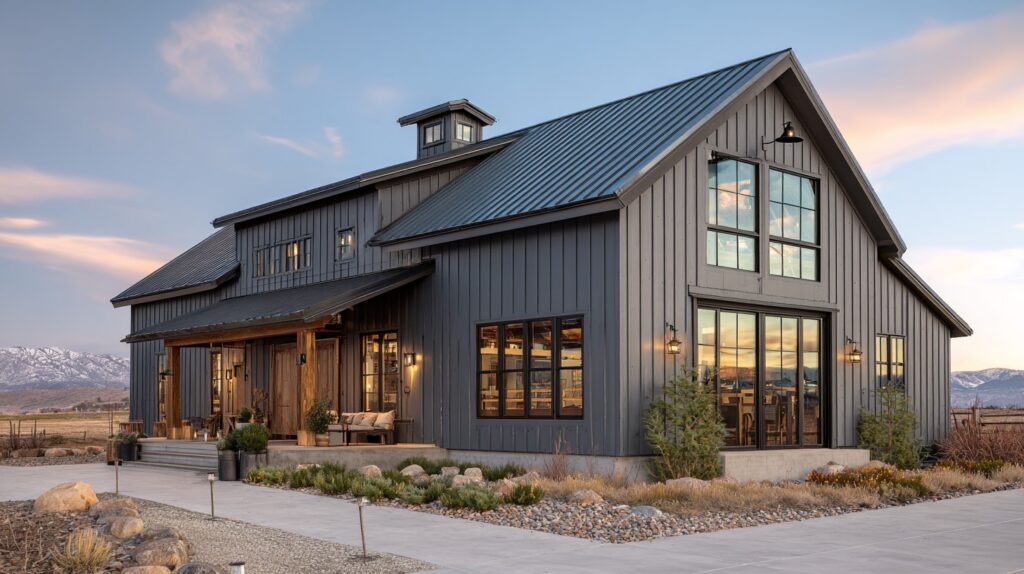

Modern prefab homes are often discussed as if the term refers to a single style or construction method. In reality, “modern” in prefab housing reflects a combination of design principles, building techniques, materials, and how the home fits into contemporary lifestyles. For buyers researching seriously, understanding what actually defines a modern prefab home helps separate substance from marketing language.
This article explains what makes a prefab home modern, how those features affect cost and timelines, where misconceptions arise, and what practical considerations matter before choosing one.
What “Modern” Means in the Context of Prefab Homes
In prefab housing, “modern” typically refers to both architectural style and construction approach. A modern prefab home is not defined solely by how it looks, nor solely by the fact that it is built off-site.
Most modern prefab homes share several core characteristics:
- Clean, simplified architectural forms
- Efficient use of space and materials
- Factory-controlled construction processes
- Designs aligned with current living patterns
Not every prefab home is modern, and not every modern-looking home is truly modern in how it is built.
Design Characteristics of Modern Prefab Homes
Simplified Forms and Clean Lines
Modern prefab homes often feature straightforward shapes such as rectangles or stacked volumes. Rooflines are usually flat or low-pitched, and exterior details are intentionally restrained.
This simplicity supports efficient manufacturing and reduces unnecessary complexity during construction.
Open and Flexible Floor Plans
Open interior layouts are common in modern prefab homes. Kitchens, dining areas, and living spaces often flow together without many interior walls.
This approach supports:
- Flexible furniture arrangements
- Smaller overall footprints
- Adaptability over time
Large Windows and Natural Light
Generous glazing is another defining feature. Modern prefab homes often prioritize daylight, views, and indoor-outdoor connections.
Window placement is typically deliberate, balancing light, privacy, and energy performance.
Construction Methods That Support Modern Prefab Homes
Off-Site Fabrication
Most modern prefab homes are built partially or mostly in controlled factory environments. This can include modular homes, panelized systems, or hybrid prefab approaches.
Factory construction allows for:
- Consistent quality control
- Reduced material waste
- Predictable assembly processes
Precision and Repeatability
Modern prefab construction emphasizes precision. Components are often designed digitally and manufactured to tight tolerances.
This precision supports clean finishes and better performance when modules or panels are assembled on-site.
Materials Commonly Used in Modern Prefab Homes
Material choices play a major role in defining a modern prefab home. These materials are selected not just for appearance but also for durability and efficiency.
- Engineered wood products or steel framing
- Fiber cement, metal, or composite exterior cladding
- High-performance insulation systems
- Simple interior finishes with neutral palettes
The goal is typically longevity, ease of maintenance, and visual clarity rather than ornate detailing.
Energy Efficiency and Performance
Modern prefab homes often emphasize performance as much as aesthetics.
Common performance-oriented features include:
- High-quality insulation assemblies
- Air sealing strategies
- Energy-efficient windows and doors
- Efficient mechanical systems
Energy efficiency levels vary by builder and region, but modern prefab homes often exceed minimum code requirements.
Cost Considerations for Modern Prefab Homes
Modern prefab homes are sometimes assumed to be either significantly cheaper or significantly more expensive than traditional homes. In practice, costs depend on multiple factors.
What Can Lower Costs
- Efficient use of materials
- Reduced on-site labor time
- Standardized design elements
What Can Increase Costs
- High-end finishes and glazing
- Complex site conditions
- Long-distance transportation of modules
Modern prefab homes often fall in a mid-range price category, though custom designs can push costs higher.
Timeline and Process
One advantage of modern prefab homes is a more predictable build timeline.
The process typically includes:
- Design selection or customization
- Factory fabrication of components
- Site preparation occurring in parallel
- On-site assembly and finishing
This parallel workflow can reduce overall project duration compared to fully site-built homes.
Pros and Cons of Modern Prefab Homes
Pros
- Predictable construction quality
- Efficient use of space and materials
- Streamlined timelines
- Contemporary design aligned with modern living
Cons
- Design flexibility may be limited by system
- Transportation constraints can affect feasibility
- Local zoning may restrict modern aesthetics
Common Misconceptions About Modern Prefab Homes
“Modern Means Small”
While many modern prefab homes are compact, the style does not require small square footage.
“Prefab Means Low Quality”
Quality varies by builder, not by whether a home is prefab or site-built.
“They All Look the Same”
Modern prefab homes share principles, but design outcomes can vary widely.
Zoning, Permits, and Location Considerations
Modern design can sometimes conflict with local regulations.
- Design review boards may restrict flat roofs or exterior materials
- Setbacks and height limits vary by jurisdiction
- Some neighborhoods have aesthetic guidelines
Buyers should review zoning and design rules early to avoid delays.
How Modern Prefab Homes Compare to Other Prefab Types
Compared to traditional modular homes, modern prefab homes place greater emphasis on design integration and material choices. Compared to more utilitarian prefab housing, modern options often prioritize aesthetics alongside efficiency.
They can also overlap with prefab ADUs or modular homes depending on size and use.
Frequently Asked Questions
Are modern prefab homes customizable?
Often yes, though customization levels depend on the prefab system used.
Do modern prefab homes hold their value?
Value retention depends on location, quality, and market conditions rather than style alone.
Are modern prefab homes faster to build?
They are often faster than traditional builds due to parallel factory and site work.
Are modern prefab homes allowed everywhere?
Zoning and design regulations vary, so local approval is always required.
Final Thoughts
A modern prefab home is defined by more than its appearance. It reflects a combination of contemporary design principles, efficient construction methods, and performance-focused building practices.
For buyers exploring prefab housing, understanding these defining features helps clarify whether a modern prefab home aligns with budget, location, and long-term goals. Continuing to research local builders, zoning rules, and prefab systems is the best way to determine the right fit without relying on assumptions or trends.