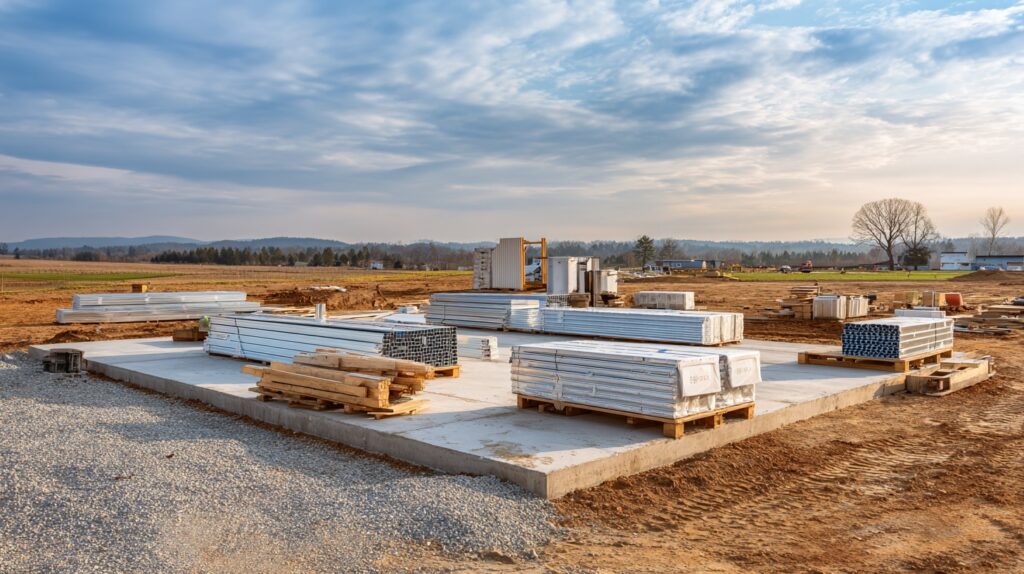

ADU kits are often marketed as a simpler, more affordable way to add an accessory dwelling unit to your property. For homeowners researching seriously, the key question is not just what comes in an ADU kit, but what is not included and how that affects total cost, timeline, and complexity.
This article breaks down what ADU kits typically include, what costs are usually excluded, and how to evaluate whether a kit-based approach makes sense for your property and experience level.
What Is an ADU Kit?
An ADU kit is a packaged set of building materials designed to be assembled on-site into an accessory dwelling unit. Unlike prefab ADUs, which arrive largely finished, ADU kits are closer to a structured materials bundle.
The goal of an ADU kit is to simplify sourcing and design, not to deliver a completed dwelling.
What ADU Kits Typically Include
While exact contents vary by manufacturer, most ADU kits focus on the structural shell of the building.
Structural Components
- Pre-cut or panelized wall framing
- Roof framing or trusses
- Floor framing components
These elements are often factory-cut for accuracy, which can reduce waste and speed up on-site assembly.
Exterior Envelope Materials
Some ADU kits include parts of the exterior envelope, though coverage varies.
- Wall sheathing
- Roof decking
- Basic weather barriers
Exterior finishes such as siding, roofing materials, and windows may or may not be included.
Plans and Assembly Documentation
- Basic architectural drawings
- Assembly or installation guides
- Material schedules
These documents are usually intended to guide construction but often require local adaptation for permitting.
What ADU Kits Often Do Not Include
This is where many homeowners underestimate total project scope. ADU kits typically exclude several major cost categories.
Foundation and Site Work
- Excavation and grading
- Concrete foundation or slab
- Soil testing and surveys
Foundation work alone can represent a significant portion of an ADU budget and varies widely by location.
Utilities and Infrastructure
- Plumbing rough-in and fixtures
- Electrical wiring and panels
- HVAC systems
- Sewer or septic connections
These systems are almost always handled by licensed local trades and priced separately.
Interior Finishes
- Drywall and insulation
- Flooring
- Cabinetry and countertops
- Appliances
- Bathroom fixtures
Some kits offer finish packages as add-ons, but many stop at the structural shell.
Labor and Construction Management
- General contractor fees
- Trade labor
- Project coordination
Unless you are acting as your own builder, labor costs are a major out-of-pocket expense.
Permits, Fees, and Inspections
- Building permits
- Plan review fees
- Impact fees, if applicable
- Inspections
Permitting requirements vary by city and state and are not included in kit pricing.
Cost Considerations: Materials vs All-In Budget
ADU kits often advertise lower upfront prices because they focus on materials only. This can create a misleading comparison with prefab ADUs or site-built projects.
When evaluating cost, it helps to separate:
- Kit price: materials only
- Construction cost: labor and trades
- Soft costs: permits, design adjustments, inspections
Total project cost often ends up closer to other ADU approaches than initial kit pricing suggests.
Timeline Implications of ADU Kits
ADU kits do not automatically mean faster projects.
Where Kits Can Save Time
- Material sourcing is simplified
- Pre-cut components reduce framing time
Where Kits Can Add Time
- Permitting delays due to plan modifications
- Contractor scheduling gaps
- Coordination between trades
Timeline predictability depends heavily on local labor availability and permitting efficiency.
Zoning and Location-Specific Issues
ADU kits do not bypass zoning rules. Local regulations still govern:
- Maximum ADU size
- Setbacks and placement
- Height limits
- Owner occupancy rules
Some kit designs may need modification to comply with local codes.
Pros and Cons of ADU Kits
Advantages
- Lower upfront material cost
- Flexibility in finishes and layout
- Appeal to experienced builders
Tradeoffs
- More coordination required
- Less predictable total cost
- Greater responsibility for compliance
Common Misconceptions About ADU Kits
“The kit price is the project price.”
In most cases, it is not.
“Kits are turnkey.”
They rarely include everything needed for occupancy.
“Permits are included.”
Permitting is almost always separate.
How to Evaluate an ADU Kit Listing
When reviewing ADU kits, look for clear answers to these questions:
- Exactly which materials are included?
- Are utilities or finishes optional add-ons?
- Do plans meet local building codes?
- Who is responsible for assembly?
Transparency at this stage helps avoid surprises later.
Frequently Asked Questions
Are ADU kits cheaper than prefab ADUs?
Often upfront, but total costs can be similar.
Can an ADU kit be financed?
Financing may be more complex due to incomplete scope.
Can I build an ADU kit myself?
Some homeowners do, but experience and local rules matter.
Does “near me” affect ADU kit feasibility?
Yes. Local codes and labor markets play a large role.
Final Thoughts
ADU kits can be a viable option for homeowners who want more control and are comfortable managing construction details. The key is understanding that a kit is only part of the project, not the entire solution.
By clearly identifying what is included, what remains to be paid for, and how local rules apply, you can continue researching ADU options that align with your budget, timeline, and level of involvement.