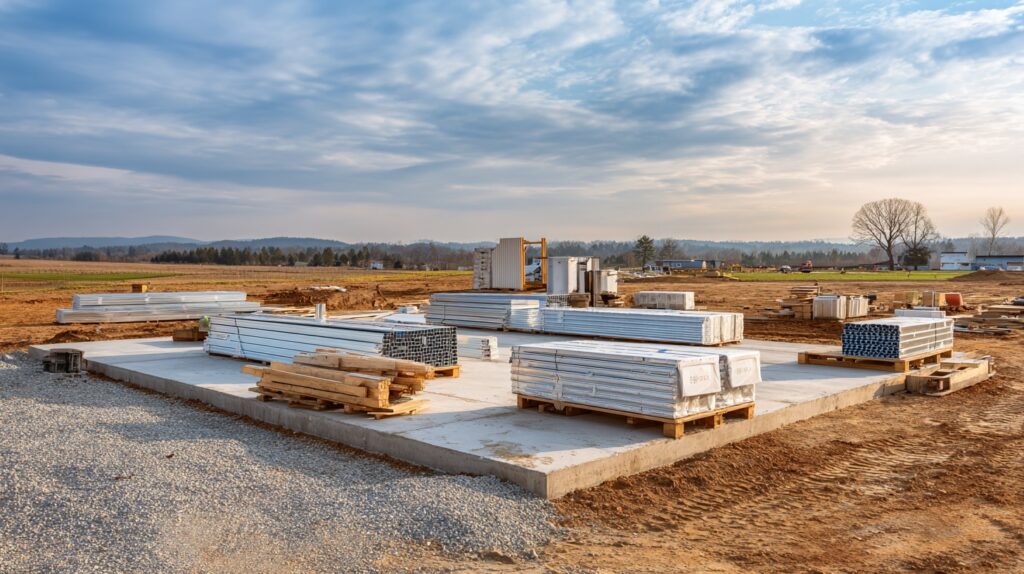

When buyers begin researching prefab homes, the first number they usually see is a base price. But the more important question is: how much does a prefab home really cost all-in? That means including land, foundation, utilities, permits, delivery, and setup.
This question matters because the advertised factory price rarely reflects the total investment required to move into a completed home. Prefab construction can offer efficiency and cost predictability, but it is still residential construction. Understanding the full scope of expenses helps avoid surprises and allows for realistic budgeting.
Understanding What “All-In” Really Means
A prefab home’s total cost typically includes two broad categories:
- Home production costs — the structure built in a factory
- Site and project costs — everything required to place and legalize the home on your land
Many first-time buyers focus only on the factory portion. In practice, site-related costs often represent a significant percentage of the total budget.
The Factory Price: What You’re Actually Buying
Prefab homes include several types of construction systems, such as modular homes, panelized homes, and some steel frame homes. Base pricing varies depending on size, materials, and finish level.
What Is Usually Included
- Structural framing
- Exterior walls and roof systems
- Windows and doors
- Basic plumbing and electrical rough-ins
- Standard interior finishes
What Is Often Not Included
- Foundation work
- Utility hookups
- Permit fees
- Land preparation
- Driveways or landscaping
Factory pricing frequently ranges widely depending on region and specifications. Higher-end finishes, larger footprints, and custom layouts increase costs. Entry-level models may appear affordable but still require significant site investment.
Land Costs
Land is the most variable component of any prefab home budget. Prices depend heavily on location, access, zoning classification, and local demand.
Key land-related considerations include:
- Purchase price
- Property surveys
- Soil testing
- Access roads
- Clearing and grading
Urban and suburban lots often cost significantly more than rural parcels, but rural land may require more site preparation and utility installation.
Foundation Costs
Prefab homes require permanent foundations in most jurisdictions. The type of foundation affects both cost and timeline.
Common Foundation Types
- Concrete slab
- Crawl space
- Full basement
Foundation costs vary based on soil conditions, frost depth, and engineering requirements. Steep or rocky sites can increase excavation costs. In cold climates, frost protection measures add additional expense.
Engineering approvals and inspections are typically required before installation can proceed.
Utilities and Infrastructure
Connecting utilities is often underestimated when budgeting for prefab homes near you.
Typical Utility Expenses
- Water connection or well drilling
- Sewer connection or septic system installation
- Electrical service installation
- Gas line connection, if applicable
- Internet and communication lines
If utilities are already present at the property line, costs are generally lower. Remote land can require substantial investment in wells, septic systems, and trenching.
Permits and Regulatory Costs
Prefab homes must comply with local zoning and building codes. Permit fees and regulatory requirements vary widely by state and municipality.
Common permitting costs include:
- Building permit fees
- Engineering review
- Impact fees in some areas
- Inspection fees
Some regions also require energy compliance documentation or environmental assessments. Comparing builders through a location-based directory like PrefabNearMe can help you identify companies that understand your local permitting environment before you request detailed pricing.
Delivery and Setup
Delivery logistics can represent a meaningful portion of the budget, especially for modular homes.
Costs May Include
- Transportation from factory to site
- Crane rental for module placement
- Set crew labor
- Weather-related scheduling adjustments
Longer distances from the manufacturing facility generally increase freight costs. Difficult site access may also require specialized equipment.
Interior Finishing and Upgrades
While prefab homes often include standard finishes, many buyers choose upgrades.
- Premium flooring
- Cabinet upgrades
- High-efficiency HVAC systems
- Energy-efficient windows
- Smart home technology
These choices can substantially affect total cost. Comparing allowance budgets carefully helps avoid underestimating final pricing.
Timeline Considerations
Prefab homes are often marketed as faster than traditional construction. Factory production can reduce on-site time, but overall timelines still depend on:
- Permit approval speed
- Foundation curing time
- Utility installation schedules
- Weather conditions
In many cases, site preparation determines how quickly the home can be installed.
Pros and Cons of Prefab Cost Structure
Advantages
- More predictable factory pricing
- Potential labor efficiencies
- Controlled production environment
Limitations
- Site costs can vary significantly
- Transportation logistics add expense
- Upgrades increase total investment
Prefab homes can be cost-effective, but only when evaluated in full context.
Common Misconceptions About Prefab Costs
“The advertised price is the final price.”
Factory pricing rarely includes land, foundation, utilities, and permitting.
“Prefab homes are always cheaper than traditional homes.”
Cost comparisons depend on region, design complexity, and finish level.
“Site work is minimal.”
Site preparation can represent a significant percentage of the total budget, especially on undeveloped land.
Estimated All-In Cost Range
While exact numbers depend heavily on location and design, a rough budgeting framework may look like this:
- Factory-built home: Variable based on size and finishes
- Foundation and site prep: Moderate to substantial depending on terrain
- Utilities and infrastructure: Lower in developed areas, higher in remote locations
- Permits and inspections: Modest percentage but varies by jurisdiction
- Delivery and setup: Dependent on distance and access
Using a centralized directory such as PrefabNearMe to compare prefab home builders near you can help clarify what each proposal includes, making it easier to evaluate total project cost rather than base pricing alone.
Frequently Asked Questions
Are prefab homes cheaper per square foot?
Factory production may reduce some labor costs, but total cost per square foot depends on site work and finishes.
Can I finance the entire prefab project?
Financing often involves construction loans that cover land, home production, and site work. Requirements vary by lender.
Do prefab homes require the same permits as traditional homes?
Yes. Most permanent prefab homes must meet local zoning and building code requirements.
How can I estimate total cost more accurately?
Request detailed proposals from builders serving your region and confirm what is included in writing.
Final Thoughts
The real cost of a prefab home extends well beyond the factory price. Land acquisition, foundation work, utilities, permits, delivery, and finishing all contribute to the total investment. Understanding each component allows for more accurate planning and fewer financial surprises.
For buyers researching prefab homes seriously, reviewing total project costs and comparing local builder options carefully will lead to more confident decisions.