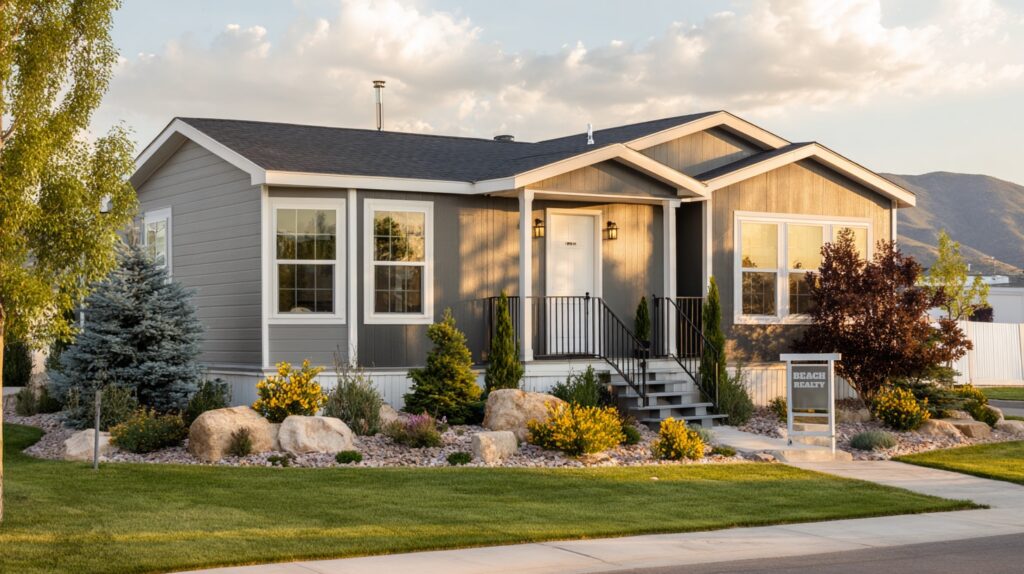

Prefab ADUs are often discussed as a flexible housing solution, but many homeowners want to understand something more practical before moving forward: what are prefab ADUs actually best used for? Whether the goal is rental income, housing family members, or creating a dedicated workspace, prefab ADUs can serve very different purposes depending on design, location, and local rules.
This article walks through the most common and effective use cases for prefab ADUs, with clear explanations of when each makes sense, what to watch out for, and how zoning, cost, and timelines can affect the outcome.
What Makes Prefab ADUs Well-Suited for Multiple Uses
Prefab ADUs are accessory dwelling units built partially or fully off-site and installed on a residential property. Their appeal comes from a combination of predictability and flexibility.
Key characteristics that support multiple use cases include:
- Standardized designs that simplify permitting
- Shorter on-site construction time
- Clear size and layout options
- Compatibility with many residential zoning codes
These traits make prefab ADUs easier to plan around specific goals, whether that is income generation or long-term family housing.
Use Case 1: Rental Income
Long-Term Residential Rentals
One of the most common reasons homeowners build prefab ADUs is to create a long-term rental unit. In many areas, ADUs can be rented to unrelated tenants as a separate dwelling.
This use case often makes sense when:
- Local zoning allows long-term ADU rentals
- Owner occupancy requirements are limited or manageable
- Rental demand exists in the neighborhood
Prefab ADUs are well-suited for rentals because layouts are typically efficient, self-contained, and designed to meet residential building codes.
Short-Term and Medium-Term Rentals
Short-term rentals, such as nightly or weekly stays, are more sensitive to local regulations. Some cities restrict or prohibit short-term use of ADUs, while others allow it with permits.
Medium-term rentals, such as furnished stays of one to six months, are sometimes easier to permit and can serve traveling professionals or temporary residents.
Before pursuing any rental use, homeowners should confirm:
- Local rules on rental duration
- Registration or licensing requirements
- Tax implications
Pros and Cons of Rental Use
Advantages
- Potential income stream
- Independent living space
- Clear return-on-investment planning
Tradeoffs
- Ongoing property management
- Regulatory complexity in some areas
- Higher design standards may increase upfront cost
Use Case 2: Housing Family Members
Multigenerational Living
Prefab ADUs are often used to house parents, adult children, or other relatives who want proximity without sharing the main home.
This arrangement can work well when:
- Privacy is important for both households
- Accessibility features are needed
- Long-term housing stability is the goal
Many prefab ADU designs include single-level layouts, wide doorways, and simple circulation, which can be beneficial for aging family members.
Temporary or Transitional Housing
Some families use prefab ADUs as temporary housing during life transitions. Examples include:
- Adult children saving for their own home
- Caregivers living on-site temporarily
- Relatives relocating for work or health reasons
Prefab ADUs provide independence while keeping family close.
Pros and Cons of Family Use
Advantages
- Close proximity without shared living space
- Flexible long-term use
- Potential future rental conversion
Tradeoffs
- Emotional and boundary considerations
- Local rules may limit rental conversion later
- Design choices should account for future adaptability
Use Case 3: Home Office or Work Space
Dedicated Remote Work Space
As remote work has become more common, homeowners increasingly use prefab ADUs as dedicated offices. This separates work life from the main house without requiring a commute.
This use case often works well when:
- Zoning allows non-residential accessory use
- No kitchen is required
- Noise separation is important
Some jurisdictions treat non-habitable ADUs or studio structures differently, which may simplify permitting.
Client-Facing or Creative Work
Prefab ADUs can also support:
- Design studios
- Therapy or consulting offices
- Creative workshops
Local business regulations and parking rules should be reviewed carefully for client-facing uses.
Pros and Cons of Office Use
Advantages
- Clear separation between work and home
- Reduced distractions
- Potential future conversion to living space
Tradeoffs
- May not generate direct income
- Zoning restrictions may apply
- Design must support long-term flexibility
Cost Considerations by Use Case
Costs for prefab ADUs vary based on size, finishes, and site conditions, but use case can influence budget priorities.
- Rental units often justify higher upfront investment for durability
- Family units may prioritize comfort and accessibility
- Office units can sometimes reduce costs by limiting plumbing
All-in costs typically include the unit, site work, utilities, permits, and installation.
Timeline Differences by Intended Use
Prefab ADU timelines are often shorter than site-built alternatives, but use case still affects scheduling.
- Rental units may require additional inspections
- Family housing may involve design customization
- Office use may simplify interior requirements
Local permitting speed is often the largest variable.
Zoning and Location-Specific Issues
Not every use case is allowed everywhere.
Common restrictions include:
- Rental duration limits
- Owner occupancy requirements
- Prohibitions on commercial activity
Understanding how local rules interact with intended use is essential before committing to a prefab ADU.
Common Misconceptions About Prefab ADU Use
“Any ADU can be used however I want.”
Use is regulated separately from construction.
“Office ADUs are always easier to permit.”
Some cities still treat them as accessory structures with limits.
“Rental income is guaranteed.”
Income depends on market demand and regulatory compliance.
Frequently Asked Questions
Can I switch uses later?
Often yes, but zoning and permits may need updating.
Are prefab ADUs better for rentals than site-built ADUs?
They can be, due to predictability and speed, but results vary.
Can a prefab ADU be used as both office and rental?
Not at the same time in most jurisdictions.
Does “near me” affect use options?
Yes. Local rules shape what is allowed on each property.
Final Thoughts
Prefab ADUs are not one-size-fits-all structures. Their real value lies in how well they align with a homeowner’s specific goals, whether that is rental income, family housing, or a dedicated workspace.
By understanding the strengths and limitations of each use case and confirming local rules early, homeowners can choose a prefab ADU approach that remains practical, flexible, and compliant over time.