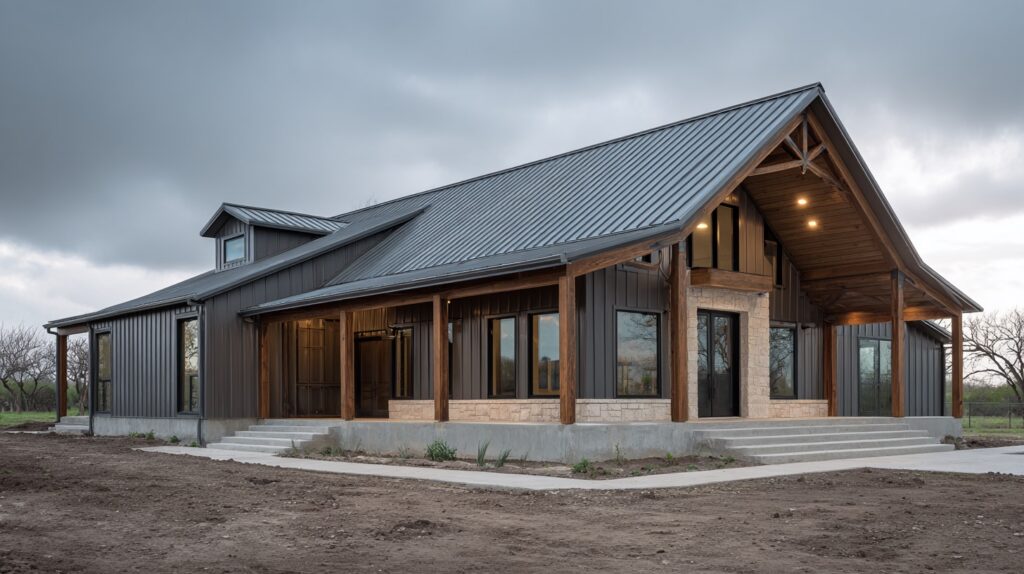

Prefab cabins are often associated with mountains, forests, lakes, and other remote or cold regions. For many buyers, that raises an important question: how well do prefab cabins actually perform in harsh climates or hard-to-reach locations?
This question matters because cold temperatures, heavy snow, wind exposure, limited access, and utility challenges all place real demands on a building. A prefab cabin that works well as a mild-climate vacation retreat may struggle in a northern winter or off-grid setting if it is not designed correctly.
This article explains how prefab cabins perform in cold and remote environments, what design features matter most, where limitations can arise, and how buyers can evaluate whether a specific prefab cabin is suitable for year-round or seasonal use in challenging locations.
What Makes Cold and Remote Climates Challenging
Cold and remote climates introduce a set of conditions that are very different from suburban or urban building sites.
Environmental Stressors
Prefab cabins in these locations must contend with:
- Extended freezing temperatures
- Freeze-thaw cycles that stress materials
- Snow loads on roofs
- High winds in exposed areas
- Moisture from snow, ice, and condensation
Over time, these factors can affect comfort, energy efficiency, and durability if the cabin is not properly designed.
Logistical Constraints
Remote locations add practical challenges beyond weather.
- Limited access for delivery trucks or cranes
- Short construction seasons
- Distance from utility infrastructure
- Higher costs for labor and materials
Prefab construction can help mitigate some of these issues, but not all.
How Prefab Cabins Are Built for Cold Performance
Not all prefab cabins are created equal. Performance in cold climates depends heavily on construction standards and design choices.
Insulation and Building Envelope
Insulation is one of the most critical factors for cold-weather performance.
Cabins designed for cold climates typically include:
- High R-value wall, roof, and floor insulation
- Continuous insulation to reduce thermal bridging
- Airtight construction to limit heat loss
- High-quality windows and doors
Prefab cabins built to residential or modular home standards often outperform site-built cabins in air sealing because factory conditions allow tighter quality control.
Roof Design and Snow Load
Snow accumulation places significant weight on roofs.
Cold-climate prefab cabins often feature:
- Steeper roof pitches to shed snow
- Engineered roof systems rated for local snow loads
- Durable roofing materials designed for freeze-thaw cycles
Buyers should confirm that roof designs meet or exceed local code requirements.
Foundations in Cold Regions
Foundations are another critical element.
In cold climates, prefab cabins may be placed on:
- Full frost-depth foundations
- Insulated slabs
- Engineered pier systems designed for freeze conditions
The right foundation choice depends on soil conditions, frost depth, and local regulations.
Heating and Energy Systems
Primary Heating Options
Prefab cabins in cold regions rely on a range of heating systems.
- Electric heat pumps rated for low temperatures
- Propane or natural gas systems
- Wood or pellet stoves as primary or backup heat
Many remote cabins use a combination of systems to ensure redundancy during power outages.
Energy Efficiency and Operating Costs
Energy efficiency directly affects comfort and long-term costs.
Well-designed prefab cabins often benefit from:
- Consistent insulation installation
- Reduced air leakage
- Compact layouts that are easier to heat
However, energy costs can still be higher in remote areas due to fuel delivery, generator use, or limited grid access.
Water, Plumbing, and Freeze Protection
Plumbing Design for Cold Weather
Frozen pipes are one of the most common risks in cold climates.
Cold-weather prefab cabins often address this by:
- Running plumbing inside insulated envelopes
- Using freeze-resistant pipe materials
- Adding insulation and heat tape where needed
Seasonal cabins may use drain-down systems when not occupied.
Water Supply in Remote Locations
Remote cabins may rely on:
- Wells
- Cisterns
- Delivered water
Each option requires planning for freeze protection and access during winter months.
Access and Delivery Considerations
Transporting Prefab Cabins to Remote Sites
Prefab cabins must be delivered safely to their site.
Potential challenges include:
- Narrow or unpaved roads
- Steep grades
- Seasonal road closures
- Limited crane access
Some prefab cabin systems are designed with smaller modules or panelized components to accommodate difficult access.
Seasonal Timing
In cold or mountainous regions, the build window may be limited.
Prefab construction can help because:
- Much of the work happens indoors at the factory
- On-site assembly is faster than traditional builds
However, foundations and utility work still depend on weather conditions.
Durability and Maintenance
Materials That Perform Well in Cold Climates
Material choice affects long-term durability.
Common cold-climate considerations include:
- Siding resistant to moisture and freeze-thaw cycles
- Metal roofing for snow shedding
- Proper flashing and detailing to prevent ice dams
Maintenance demands are often higher in remote locations due to exposure.
Maintenance Access
Remote cabins may be harder to service.
Buyers should consider:
- Ease of accessing mechanical systems
- Availability of local contractors
- Distance to repair services
Cost Considerations in Cold or Remote Areas
Upfront Costs
Prefab cabins in cold or remote climates often cost more than similar cabins in mild locations.
Cost drivers include:
- Enhanced insulation and structure
- Foundation requirements
- Delivery logistics
- Utility infrastructure
Long-Term Costs
Operating and maintenance costs should also be considered.
- Heating fuel expenses
- Snow removal and access maintenance
- System servicing in remote areas
Efficient design can offset some of these costs over time.
Zoning, Permits, and Code Requirements
Cold-Climate Code Standards
Building codes often vary by climate zone.
Cold-region codes may require:
- Higher insulation levels
- Specific foundation designs
- Snow load certifications
Prefab cabins intended for full-time living must meet these standards.
Remote Area Regulations
Remote locations may have fewer inspections, but this varies widely.
Some areas still enforce strict requirements for:
- Wastewater systems
- Water sources
- Occupancy permits
Pros and Cons of Prefab Cabins in Cold or Remote Climates
Advantages
- Factory-built quality control
- Faster on-site assembly
- Predictable construction standards
- Reduced exposure to weather during construction
Limitations
- Delivery constraints in hard-to-reach areas
- Higher upfront costs for cold-climate features
- Ongoing maintenance demands
Common Misconceptions
“All Prefab Cabins Are Suitable for Cold Weather”
Some prefab cabins are designed only for mild or seasonal use.
“Prefab Means Lower Quality”
Quality depends on design and specifications, not whether the cabin is factory-built.
“Remote Locations Eliminate Code Requirements”
Many remote areas still enforce building and occupancy rules.
Frequently Asked Questions
Can prefab cabins handle extreme cold?
Many can, if designed with proper insulation, foundations, and heating systems.
Are prefab cabins good for off-grid living?
They can be, but off-grid systems require careful planning.
Is prefab construction faster in cold regions?
Factory construction helps, but site work still depends on weather.
Do prefab cabins cost more in remote areas?
Often yes, due to delivery, infrastructure, and climate-specific requirements.
Final Thoughts
Prefab cabins can perform well in cold and remote climates when they are designed for those conditions from the start. Insulation, structural engineering, foundations, and logistics all play a role in long-term comfort and durability.
Carefully comparing prefab cabin options, understanding local requirements, and planning for climate-specific needs helps buyers determine whether a prefab cabin is the right solution for their location and lifestyle.