
If you are researching prefab ADUs, one of the first and most important questions is cost. Many homeowners see advertised prices that seem straightforward, only to discover later that those numbers represent just part of the total investment.
This article answers a common and often misunderstood question: how much does a prefab ADU cost all-in? It breaks down typical price ranges, explains what is usually included and excluded, and highlights the factors that cause costs to vary by location, site conditions, and design choices.
What “All-In Cost” Means for a Prefab ADU
The all-in cost of a prefab ADU refers to the total amount required to go from an idea to a legally occupiable unit on your property. This includes far more than the price of the unit itself.
In most cases, all-in cost includes:
- The prefab ADU unit
- Design and engineering
- Permits and plan review
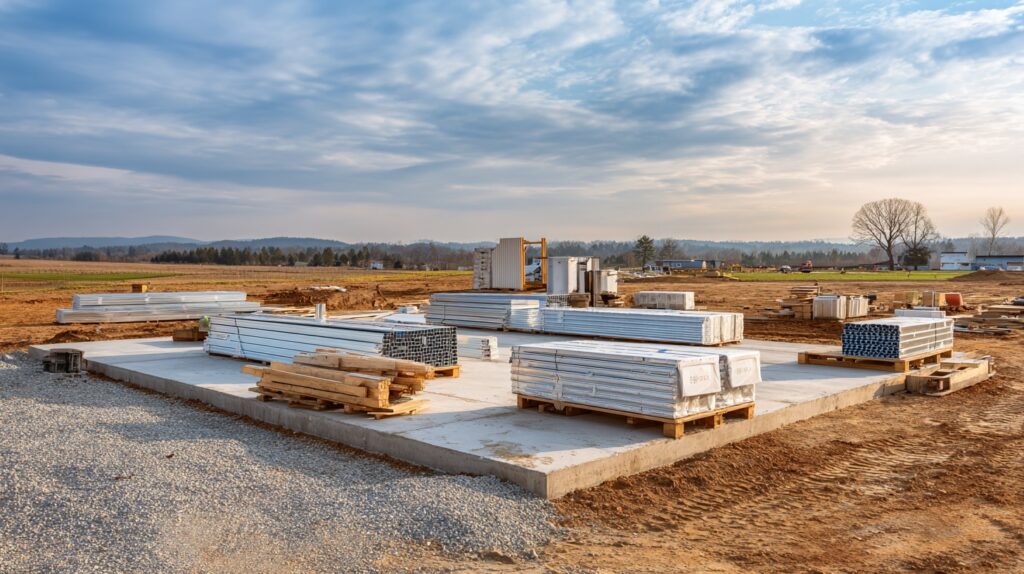
- Site preparation and foundation
- Delivery and installation
- Utility connections
- On-site finishing work
Understanding this full scope helps avoid unrealistic expectations early in the process.
Typical All-In Cost Ranges
While prices vary widely, many homeowners find that the all-in cost of a prefab ADU typically falls within these broad ranges:
- Small studio or one-bedroom prefab ADU: often in the lower six figures
- Mid-sized one- to two-bedroom units: commonly in the mid to upper six figures
- Larger or highly customized prefab ADUs: can exceed these ranges
These ranges are intentionally broad. Location, site conditions, and regulatory requirements can move a project significantly above or below these averages.
Cost Breakdown: Where the Money Typically Goes
The Prefab ADU Unit Itself
The prefab unit usually represents a substantial portion of the budget but not the majority in every case.
This cost typically includes:
- Factory construction
- Standard interior finishes
- Basic appliances or fixtures, depending on the builder
Unit pricing varies based on size, materials, energy efficiency features, and level of finish.
Design, Engineering, and Plan Adjustments
Even with a prefab ADU, site-specific work is required.
Common costs include:
- Architectural adjustments
- Structural engineering
- Energy compliance documentation
Some builders include these services in their pricing, while others treat them as separate line items.
Permits and Local Fees
Permitting costs vary significantly by jurisdiction.
Fees may include:
- Building permits
- Plan review fees
- Impact or utility connection fees
In some cities, ADU-related fees are reduced or waived. In others, they remain a meaningful cost component.
Site Preparation and Foundation
Site work is one of the most variable cost categories.
Costs depend on:
- Soil conditions
- Grading requirements
- Foundation type
- Access limitations
Even identical prefab ADUs can have very different site costs depending on the property.
Delivery and Installation
Prefab ADUs must be transported to the site and installed.
This typically includes:
- Transportation from the factory
- Oversize load permits if required
- Crane or specialized equipment
- Set crew labor
Distance from the factory and site accessibility both influence cost.
Utility Connections
Connecting the ADU to utilities is often underestimated.
Common connections include:
- Water and sewer or septic
- Electrical service
- Gas, if applicable
Long trenching distances or utility upgrades can add meaningful expense.
On-Site Finishing Work
Even fully finished prefab ADUs typically require local work after delivery.
This may include:
- Interior seam finishing
- Exterior siding or roofing completion
- Porches, steps, or ramps
Local labor rates influence this portion of the budget.
How Location Affects All-In Cost
Location plays a major role in prefab ADU pricing.
State and Local Regulations
Different states and cities impose different requirements related to:
- Energy efficiency
- Fire safety
- Utility connections
These requirements can add both cost and time.
Urban vs Suburban Sites
Urban properties may face:
- Limited access for delivery
- Higher labor rates
- More complex permitting
Suburban or rural sites may have lower labor costs but higher utility extension expenses.
Timeline and Its Cost Implications
Prefab ADUs are often chosen for faster timelines, but speed does not always reduce total cost.
Factory production can shorten construction time, while permitting and site work often remain the longest phases.
Delays related to approvals or inspections can increase carrying costs, especially if financing is involved.
Pros and Cons of Prefab ADU Costs
Advantages
- More predictable unit pricing
- Reduced construction uncertainty
- Clear upgrade paths
Tradeoffs
- Site work can still be expensive
- Less flexibility to cut costs through design changes
- Delivery constraints may add expense
Common Misconceptions About Prefab ADU Pricing
“The advertised price is the total cost.”
Advertised prices often exclude site work, permits, and utilities.
“Prefab ADUs are always cheaper than site-built.”
They can be, but cost depends on site conditions and scope.
“Once I choose a unit, the price is fixed.”
Local requirements and site conditions often affect final cost.
How to Estimate Your Own All-In Cost More Accurately
To develop a realistic budget, homeowners should:
- Confirm what is included in unit pricing
- Request site-specific estimates early
- Review local permitting and fee schedules
- Factor in contingency for unknowns
Comparing prefab ADU providers that actively serve your area helps surface more accurate cost expectations.
Frequently Asked Questions
Are prefab ADUs cheaper than site-built ADUs?
Often, but not always. Site conditions and local fees matter more than construction method.
Do prefab ADU prices include permits?
Sometimes, but many do not. This should be confirmed upfront.
Can I finance a prefab ADU?
In many cases, yes. Financing options vary by lender and jurisdiction.
What costs are most likely to surprise homeowners?
Utility connections, site preparation, and local fees are common sources of surprises.
Final Thoughts
The all-in cost of a prefab ADU reflects far more than the unit itself. While prefab construction can improve predictability and reduce on-site time, site conditions, local regulations, and utility requirements remain major cost drivers.
Homeowners who take time to understand the full cost picture and compare providers serving their area are better positioned to budget realistically and move forward with confidence as they explore prefab ADU options.