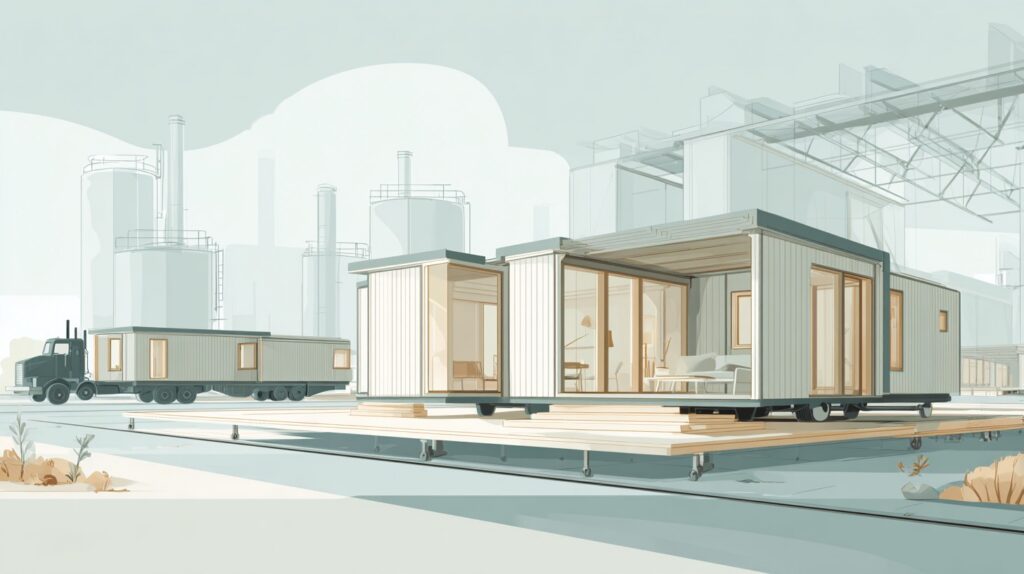

If you are researching modular homes near me, you have likely seen photos of houses arriving on trucks and being lifted into place by cranes. While those moments get the most attention, they are only a small part of a longer, carefully coordinated process.
This article explains how modular homes are delivered and assembled locally, step by step. It covers what happens before delivery, how modules reach your site, how the home is assembled, and what still needs to happen before move-in. The goal is to replace assumptions with clear, practical expectations.
What Makes Modular Home Delivery Different
Modular homes are built in sections called modules inside a factory. Each module is a large, partially finished portion of the home, often including framing, insulation, drywall, wiring, plumbing, windows, and some finishes.
Because so much work is completed before delivery, the on-site phase focuses on placement, connection, and finishing rather than full construction from scratch.
Permanent Homes, Not Temporary Structures
Modular homes are designed to be permanent residences. Once assembled, they sit on a permanent foundation and are treated like site-built homes for zoning, permitting, and financing purposes.
Step 1: Site Preparation Before Delivery
Delivery does not happen until the site is ready. This phase is critical and often underestimated.
Foundation Construction
Before modules arrive, the foundation must be completed and inspected. Common foundation types include:
- Concrete slab
- Crawlspace
- Full basement
The foundation must match the modular home’s specifications precisely. Even small discrepancies can delay delivery.
Utility Preparation
Local crews typically prepare:
- Water and sewer or septic connections
- Electrical service
- Gas lines if applicable
These utilities are usually stubbed out and ready to connect once the modules are set.
Access and Delivery Planning
Before delivery day, the builder evaluates site access, including:
- Road width and turning radius
- Bridge and weight limits
- Overhead obstacles such as power lines or trees
- Space for cranes and staging
This is where “near me” matters. Local builders understand common access constraints in your area.
Step 2: Transporting the Modules
Once factory construction is complete and the site is ready, the modules are scheduled for delivery.
How Modules Are Transported
Modules are typically shipped on specialized flatbed trailers. Depending on size and route, transportation may require:
- Oversized load permits
- Escort vehicles
- Restricted travel hours
Transport regulations vary by state, which is why builders often limit delivery to regions they know well.
Delivery Timing
Modules usually arrive over one or several days, depending on:
- Number of modules
- Distance from factory
- Local transport rules
Delivery is carefully timed to coordinate with crane availability and site readiness.
Step 3: Setting the Modules on the Foundation
This is the most visible part of the process and often the fastest.
The Crane Set
A crane lifts each module from the trailer and places it onto the foundation. The process typically includes:
- Positioning the module precisely
- Securing it to the foundation
- Aligning it with adjacent modules
For many homes, this step takes one to two days.
Structural Connections
Once the modules are in place, crews secure:
- Structural fasteners between modules
- Roof connections
- Load-bearing elements
The home is now structurally complete but not finished.
Step 4: Local Assembly and Finishing Work
After the set, local trades complete the remaining work. This phase often takes several weeks.
Interior Finishing
On-site crews typically handle:
- Drywall finishing at module seams
- Flooring connections
- Interior trim and paint touch-ups
While much of the interior is pre-finished, final detailing happens locally.
Exterior Completion
Exterior work often includes:
- Siding installation or seam finishing
- Roofing completion
- Porches, decks, or site-built additions
Utility Connections
Plumbing, electrical, and HVAC systems are connected and tested. This step must meet local inspection standards.
Step 5: Inspections and Approvals
Modular homes go through multiple inspections.
Factory Inspections
During factory construction, modules are inspected for compliance with building codes.
Local Inspections
After assembly, local inspectors review:
- Foundation and structural connections
- Electrical, plumbing, and mechanical systems
- Energy code compliance
A certificate of occupancy is issued once all requirements are met.
Timeline: How Long Delivery and Assembly Usually Take
While the crane set is quick, the full delivery and assembly phase usually takes:
- Delivery and set: 1 to 3 days
- On-site finishing: 4 to 10 weeks
- Inspections and approvals: 1 to 3 weeks
Weather, site complexity, and local inspection schedules can extend these ranges.
Cost Considerations Related to Delivery and Assembly
Delivery and assembly costs are often separate from the base home price.
Common Cost Components
- Transportation and escort fees
- Crane rental
- Set crew labor
- Local finishing work
Sites with difficult access or longer delivery distances typically cost more.
Zoning and Location-Specific Factors
Modular homes must comply with local zoning and building codes.
Local requirements may affect:
- Foundation type
- Exterior materials
- Minimum square footage
- Design review approvals
This is why modular builders serving your area are often better positioned to manage the delivery and assembly process smoothly.
Pros and Cons of Local Modular Assembly
Advantages
- Faster on-site construction compared to traditional builds
- Less weather exposure during structural work
- Greater schedule predictability
Tradeoffs
- Delivery logistics must be carefully planned
- Access constraints can add cost
- Local finishing work is still required
Common Misconceptions
“The house is finished the day it arrives.”
Significant finishing and inspections still follow delivery.
“Any site can accept modular delivery.”
Access, terrain, and regulations can limit feasibility.
“Modular homes are assembled entirely by factory crews.”
Local contractors play a major role in assembly and finishing.
Frequently Asked Questions
How far can modular homes be delivered?
Many are delivered hundreds of miles, depending on access and regulations.
Do modular homes require cranes?
Most do, though crane size and duration vary by home design.
Can modular homes be assembled in dense neighborhoods?
Often yes, but access planning is critical.
Is local assembly faster than traditional construction?
Usually, but permitting and inspections still influence timelines.
Final Thoughts
Modular home delivery and local assembly are carefully coordinated processes that combine factory efficiency with on-site construction. While the crane set is dramatic, most of the work happens before and after that moment.
For buyers researching modular homes near them, understanding how delivery and assembly work in their specific location helps set realistic expectations and avoid surprises as the project moves toward completion.