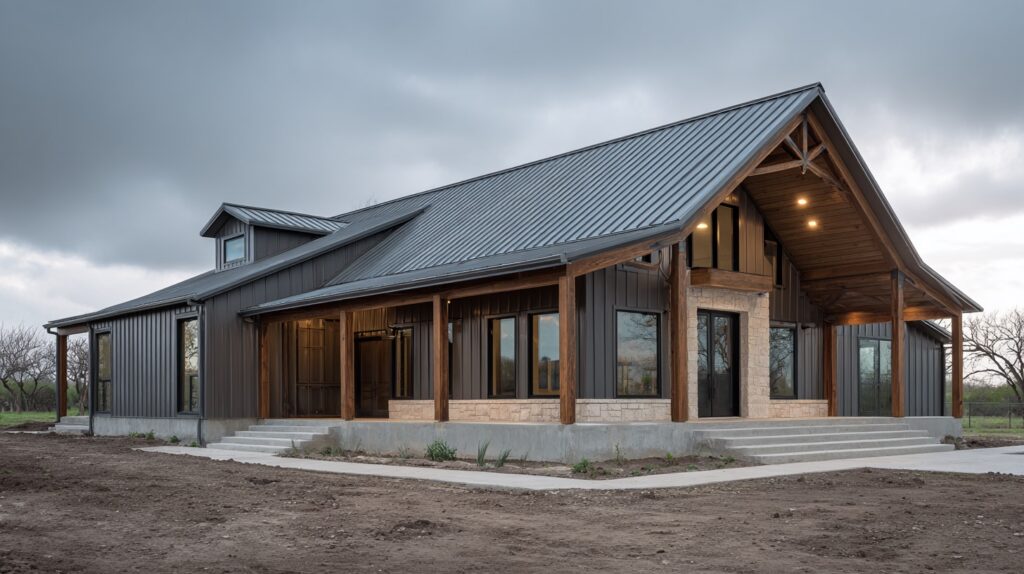

How do prefab homes perform in cold climates or hot climates? In most cases, they can perform just as well as traditional site-built homes—provided they are designed and specified correctly for the local environment. Prefabricated construction does not automatically make a home better or worse in extreme temperatures. Performance depends on insulation levels, air sealing, mechanical systems, and climate-specific design decisions.
This question matters because heating and cooling costs, comfort, durability, and long-term maintenance are directly tied to climate performance. Buyers searching for prefab homes near me often want to know whether factory-built construction can handle harsh winters, intense summer heat, heavy snow, or high humidity. The short answer is yes—but only when properly engineered for the region.
Understanding Climate Zones and Building Codes
In the United States and many other countries, building codes are divided into climate zones. These zones determine minimum requirements for:
- Insulation R-values
- Window performance ratings
- Vapor barriers
- Air sealing standards
- HVAC system efficiency
Modular prefab homes installed on permanent foundations must meet the local building code in the jurisdiction where they are placed. This means a prefab home in Minnesota must meet cold-climate standards, while one in Arizona must meet hot-climate requirements.
However, not all prefab homes are designed equally. Buyers should confirm that the specific model they are considering is engineered for their climate zone.
Prefab Homes in Cold Climates
Cold climates present challenges such as freezing temperatures, heavy snow loads, ice dams, and moisture control issues. Prefab homes can perform well in these conditions when designed appropriately.
Insulation and Thermal Performance
High-performance prefab homes often include:
- Thicker wall assemblies
- Continuous exterior insulation
- Insulated foundations or frost-protected slabs
- Triple-pane or low-E windows
Factory-built construction can allow for precise insulation installation and tighter air sealing, which helps reduce drafts and heat loss.
Air Sealing and Vapor Control
Cold climates require careful vapor management. Warm indoor air can condense inside walls if vapor barriers are improperly installed. Many modular homes use advanced air barriers and controlled indoor assembly processes that can reduce installation errors.
Snow Load Engineering
Roof structures must be engineered for regional snow loads. Modular homes are typically built to meet or exceed these requirements, but buyers should verify structural specifications when building in high-snow areas.
Heating Systems
Cold-climate prefab homes often rely on:
- High-efficiency furnaces
- Cold-climate heat pumps
- Radiant floor systems
The mechanical system selection plays a major role in overall performance.
Prefab Homes in Hot Climates
Hot climates present different challenges, including high cooling loads, solar heat gain, humidity, and potential hurricane exposure in certain regions.
Solar Heat Gain and Window Placement
Proper orientation and window selection are critical. Energy-efficient prefab homes often use:
- Low solar heat gain coefficient (SHGC) windows
- Shaded overhangs
- Reflective roofing materials
These features help reduce indoor heat buildup.
Insulation Still Matters in Hot Climates
While cold climates emphasize heat retention, hot climates require heat resistance. Adequate insulation prevents outside heat from entering the home and reduces strain on air conditioning systems.
Moisture and Humidity Control
In humid regions, moisture control becomes essential. Proper ventilation systems and vapor management prevent mold and long-term structural damage.
Wind and Storm Resistance
In hurricane-prone areas, structural connections and anchoring systems are critical. Modular prefab homes installed on permanent foundations are engineered to meet local wind codes, which may include reinforced framing and impact-rated windows.
Cost Considerations for Climate-Specific Upgrades
Building for extreme climates often increases upfront costs. Common upgrades include:
- Higher R-value insulation packages
- Enhanced roof truss engineering
- Impact-rated windows and doors
- Upgraded HVAC systems
These additions can increase the purchase price, but they may reduce long-term energy expenses and maintenance costs.
Buyers should evaluate lifecycle cost rather than focusing solely on base pricing.
Construction Timeline and Climate Factors
One advantage of prefab construction in extreme climates is reduced on-site exposure to weather. Because modules are built indoors, framing and insulation are less likely to be affected by rain or snow during assembly.
However, site preparation still depends on weather conditions. Frozen ground, heavy rainfall, or extreme heat can affect foundation timelines.
Common Misconceptions About Prefab in Extreme Climates
“Prefab homes are weaker than site-built homes.”
Modular homes must meet local structural codes and are often built with additional reinforcements for transportation.
“Factory-built homes are not suited for cold winters.”
When properly specified, prefab homes can achieve high insulation levels suitable for severe winters.
“Prefab homes overheat in summer.”
Overheating is typically a design issue related to insulation, window placement, and shading—not the construction method itself.
Pros and Cons of Prefab in Extreme Climates
Advantages
- Controlled factory construction
- Consistent insulation installation
- Engineered structural systems
- Reduced exposure to weather during framing
Limitations
- Upgrades may increase upfront cost
- Performance depends on builder specifications
- Transportation logistics in remote climates
Zoning and Regional Requirements
Climate performance is closely tied to local regulations. Some jurisdictions require enhanced insulation or storm-rated construction. Before ordering a prefab home, buyers should confirm:
- Local energy code requirements
- Wind or snow load standards
- Foundation depth requirements
- Permit and inspection processes
These requirements vary widely by state and county.
How Prefab Compares to Other Housing Types
When comparing prefab to traditional stick-built homes, performance differences are often minimal when both are built to the same code and specification level. In some cases, modular construction may offer more consistent air sealing due to factory conditions.
Other housing types such as barndominiums or manufactured homes may require additional evaluation depending on structural systems and code classification.
Frequently Asked Questions
Do prefab homes need special insulation for cold climates?
Often, yes. Higher R-value insulation and vapor control measures are typically recommended in colder zones.
Can prefab homes handle heavy snow?
They can when engineered for the appropriate regional snow load.
Are prefab homes good for desert climates?
They can perform well with proper insulation, reflective roofing, and efficient cooling systems.
Is climate performance different for modular versus manufactured homes?
Modular homes built to local codes generally offer broader climate adaptability than HUD-code manufactured homes, though both can be engineered for specific regions.
Final Thoughts
Prefab homes can perform effectively in both cold and hot climates when properly designed and engineered for the local environment. Climate-specific insulation, structural design, and mechanical systems matter more than the construction method itself.
For buyers exploring prefab options, evaluating regional code requirements and confirming that the chosen model is suited for local weather conditions will help ensure comfort, durability, and long-term efficiency.