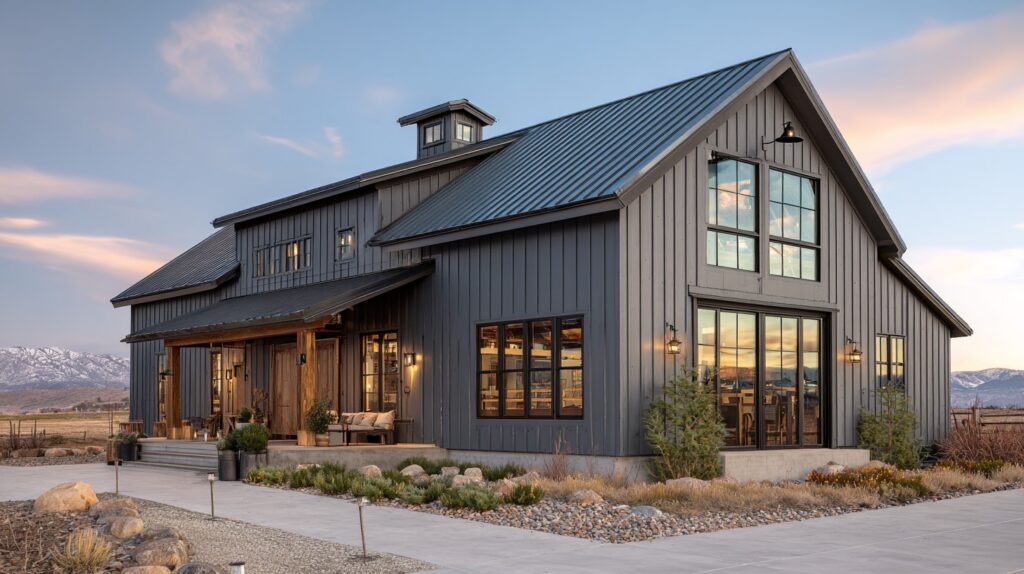

Prefab homes have become more visible in recent years, but they’re still widely misunderstood. Many buyers approach prefab construction with assumptions shaped by outdated images, confusing terminology, or incomplete comparisons to traditional homes. As a result, people often dismiss prefab homes—or embrace them—based on myths rather than facts.
This article addresses the most common prefab home myths and explains what’s actually true, using practical, current information. The goal is to help homeowners and buyers make informed decisions based on how prefab homes really work today.
Myth #1: Prefab Homes Are the Same as Mobile or Manufactured Homes
What People Assume
Many people hear “prefab” and picture older mobile homes or trailer-style housing that is movable and governed by different standards than site-built houses.
What’s Actually True
Prefab is a broad term that includes several construction methods. Most prefab homes discussed by buyers today—especially modular and panelized homes—are permanent structures built to local residential building codes.
- Modular homes are built in factory sections and installed on permanent foundations.
- Panelized homes use factory-built components assembled on-site.
- Manufactured homes are built under federal HUD standards and are a separate category.
Understanding this distinction is critical when researching prefab homes near you, since zoning and financing rules differ by type.
Myth #2: Prefab Homes Are Lower Quality Than Traditional Homes
What People Assume
Because prefab homes are factory-built, some buyers assume corners are cut or materials are cheaper.
What’s Actually True
Quality depends on the builder and system—not where the home is assembled. In many cases, factory environments improve consistency by:
- Protecting materials from weather exposure
- Allowing repeatable construction processes
- Enabling multiple inspections during assembly
Modular homes are often engineered to withstand transportation and crane lifting, which can result in stronger framing than typical site-built homes.
Myth #3: Prefab Homes Are Always Cheaper
What People Assume
Prefab homes are often marketed as a budget-friendly alternative to traditional construction.
What’s Actually True
Prefab homes can reduce certain costs, but they are not automatically cheaper in every scenario. Total cost depends on:
- Site conditions and foundation requirements
- Utility access and infrastructure
- Local labor and permit fees
- Finish level and customization
In many markets, prefab homes are priced comparably to traditional homes once fully installed and finished.
Myth #4: Prefab Homes Are “One-Size-Fits-All”
What People Assume
Prefab construction is often associated with limited design options.
What’s Actually True
While prefab systems do rely on standardization, many offer meaningful customization. Options often include:
- Multiple floor plans
- Finish packages and upgrades
- Exterior material choices
- Layout adjustments within structural limits
Highly custom architectural designs may still favor traditional construction, but modern prefab homes offer more flexibility than many buyers expect.
Myth #5: Prefab Homes Don’t Need Permits or Inspections
What People Assume
Because prefab homes are built in factories, some assume they bypass local regulations.
What’s Actually True
Prefab homes typically require the same permits and inspections as site-built homes. These may include:
- Building permits
- Zoning approvals
- Foundation inspections
- Utility and energy code compliance
Factory inspections do not replace local approvals—they complement them.
Myth #6: Prefab Homes Are Faster in Every Situation
What People Assume
Prefab homes are often described as “fast builds.”
What’s Actually True
Prefab homes can shorten timelines by allowing factory construction and site work to happen in parallel. However, total project duration still depends on:
- Permit approval times
- Site preparation complexity
- Delivery logistics
In areas with long permitting backlogs, prefab timelines may resemble traditional builds.
Myth #7: Prefab Homes Don’t Hold Their Value
What People Assume
Some buyers worry prefab homes won’t appreciate or will be harder to resell.
What’s Actually True
Permanent prefab homes generally appreciate based on location, condition, and market demand—similar to traditional homes. Resale value is influenced more by:
- Neighborhood and lot quality
- Design and layout
- Overall maintenance
The construction method alone rarely determines resale performance.
Myth #8: Prefab Homes Are Only for Rural Areas
What People Assume
Prefab homes are often associated with rural or remote land.
What’s Actually True
Prefab homes are built in urban, suburban, and rural areas. What matters is zoning and local code compliance—not whether the home is factory-built.
In some cities, prefab and modular homes are used to add ADUs or infill housing where site-built construction is challenging.
Myth #9: Financing a Prefab Home Is Difficult or Impossible
What People Assume
Some buyers believe banks won’t finance prefab homes.
What’s Actually True
Financing is usually available for permanent prefab homes, though the process may differ slightly. Lenders often look for:
- A permanent foundation
- Local code compliance
- A clear construction contract
Manufactured homes and non-permanent structures follow different lending rules.
Pros and Cons of Prefab Homes (Reality Check)
Advantages
- Controlled factory construction
- Reduced weather-related delays
- More predictable structural pricing
- Consistent quality standards
Tradeoffs
- Upfront planning required
- Design constraints with some systems
- Site work costs still apply
- Local permitting remains necessary
Common Mistakes Buyers Make
- Comparing prefab base prices to fully finished traditional homes
- Assuming zoning approval without confirmation
- Underestimating site preparation costs
- Waiting too long to involve local building officials
Frequently Asked Questions
Are prefab homes the same everywhere?
No. Prefab systems, quality, and regulations vary by builder and location.
Can prefab homes be customized?
Most offer some customization, though it may be more limited than fully custom site-built homes.
Do prefab homes last as long as traditional homes?
When built to code and properly maintained, prefab homes are designed for long-term use.
Are prefab homes allowed in residential neighborhoods?
Approval depends on local zoning and building codes, not the construction method alone.
Final Thoughts
Prefab homes are neither shortcuts nor compromises by default—they are simply a different way to build. Many of the myths surrounding prefab construction stem from outdated assumptions or incomplete comparisons.
For buyers researching prefab homes, modular homes, ADUs, or alternative housing options near them, separating myths from reality is the first step toward making a confident, informed decision. Continuing to explore local regulations, builders, and full project costs will provide the clearest picture of whether prefab construction fits your needs.