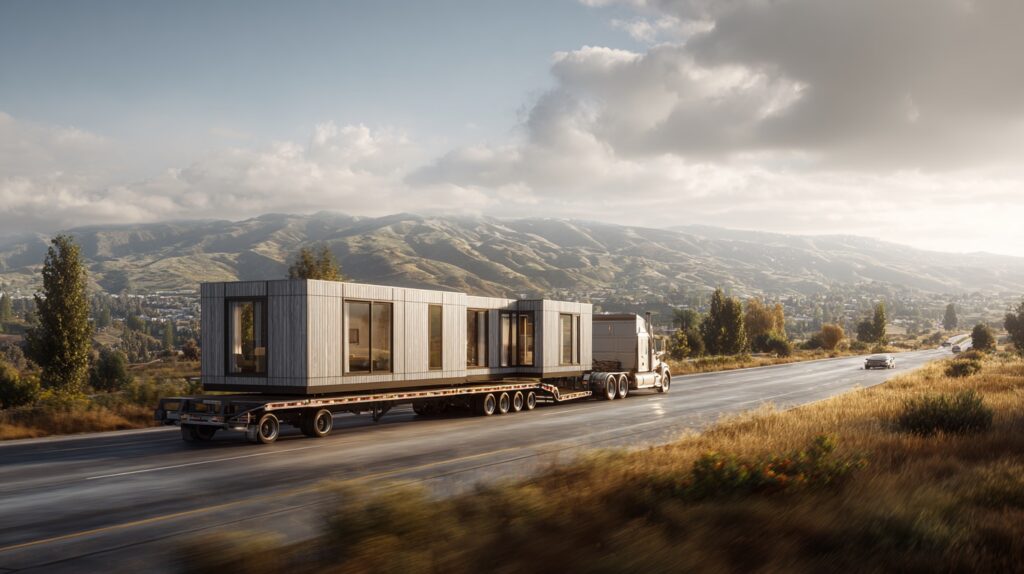

Prefab tiny homes appeal to people looking for simpler living, lower costs, or more flexibility than traditional housing. One of the most important questions buyers ask early is also one of the most complex: can you legally live full-time in a prefab tiny home?
The short answer is that it depends. Legality is shaped less by whether a home is prefab and more by how it is classified, where it is placed, and which local rules apply. This article explains how full-time occupancy works for prefab tiny homes, what regulations typically apply, and what buyers should confirm before making long-term plans.
What Counts as a Prefab Tiny Home?
A prefab tiny home is a small dwelling that is built off-site and delivered to its final location. These homes typically range from 100 to 400 square feet and may be constructed in a factory, workshop, or modular facility.
Prefab tiny homes usually fall into one of three categories:
- Tiny homes on wheels (THOWs)
- Tiny homes on permanent foundations
- Tiny homes used as accessory dwelling units (ADUs)
Which category applies has a direct impact on whether full-time living is allowed.
The Core Issue: Zoning and Classification
Full-time occupancy is governed by zoning and building codes, not by the size of the home alone.
Local governments typically regulate:
- Minimum dwelling size
- Whether a structure is considered a residence
- Where residential units can be placed
- How utilities must be connected
Understanding how a prefab tiny home is classified in your area is the first step in determining legality.
Tiny Homes on Wheels and Full-Time Living
How Tiny Homes on Wheels Are Classified
Tiny homes on wheels are often classified as recreational vehicles rather than permanent housing. Even when well-built and insulated, they may not meet residential building codes.
Because of this classification:
- They are often restricted to RV parks or specific zones
- Full-time occupancy may be limited or prohibited
- Utility hookups may be temporary
Where Full-Time Living May Be Allowed
Some jurisdictions allow full-time living in tiny homes on wheels under specific conditions. These may include:
- Placement in designated tiny home communities
- Temporary permits or special use approvals
- Rural or unincorporated areas with fewer restrictions
Even in these cases, rules are often local and subject to change.
Tiny Homes on Foundations
Permanent Foundations and Building Codes
Prefab tiny homes placed on permanent foundations are more likely to be treated as dwellings. When built to residential building codes, they may qualify for full-time occupancy.
Key requirements often include:
- Compliance with local building codes
- Minimum square footage standards
- Proper utility connections
Minimum Size Requirements
Some jurisdictions enforce minimum dwelling sizes that exceed the size of many tiny homes. These limits can range widely and may exclude homes under a certain square footage.
In areas with lower or flexible minimums, tiny homes on foundations are more likely to be permitted for full-time use.
Prefab Tiny Homes as ADUs
One of the most common legal paths to full-time living in a prefab tiny home is through ADU regulations.
Why ADUs Are Often Allowed
Many cities and states have expanded ADU rules to address housing shortages. This has created clearer pathways for small dwellings on existing residential lots.
When used as an ADU, a prefab tiny home may be allowed if it meets:
- Local ADU size limits
- Setback and height requirements
- Utility and access standards
Owner Occupancy and Rental Rules
Some ADU ordinances require owner occupancy, while others allow both the main house and ADU to be rented.
These rules affect who can live in the tiny home and under what conditions.
Cost and Infrastructure Considerations
Legal full-time occupancy usually requires permanent infrastructure.
Common cost-related requirements include:
- Foundation construction
- Permanent water and sewer connections
- Electrical service upgrades
- Permitting and inspection fees
These costs can be significant and vary by location.
Timeline Implications
Projects that involve permanent placement and full-time occupancy often take longer than temporary setups.
Factors that affect timelines include:
- Permit review cycles
- Utility coordination
- Inspections
Planning for full-time living should account for these steps.
Common Misconceptions About Full-Time Living
“If I own the land, I can live in any structure.”
Zoning rules still apply, even on privately owned land.
“Prefab tiny homes are exempt from codes.”
They are subject to the same rules as other dwellings.
“Wheels make it legal everywhere.”
In many areas, wheels make a home less likely to qualify as a residence.
How Location Changes the Answer
The phrase “near me” matters more for legality than for construction.
Two neighboring cities may have entirely different rules regarding:
- Tiny home size
- Foundation requirements
- Full-time occupancy
Local planning departments are the most reliable source of current regulations.
Pros and Cons of Full-Time Living in a Prefab Tiny Home
Advantages
- Lower housing costs in some areas
- Simplified living
- Flexibility in certain zoning contexts
Tradeoffs
- Regulatory uncertainty
- Limited placement options
- Infrastructure requirements
Frequently Asked Questions
Is full-time living legal in all states?
No. Rules vary by state, county, and city.
Are prefab tiny homes treated differently than custom ones?
Legally, classification matters more than how the home was built.
Can I rent out a prefab tiny home full time?
It depends on local rental and ADU rules.
Does foundation type affect legality?
Yes. Permanent foundations are often required for residential use.
Final Thoughts
Living full-time in a prefab tiny home can be legal, but only under the right conditions. The deciding factors are zoning, classification, and local building requirements, not the appeal or quality of the home itself.
For buyers considering a prefab tiny home as a primary residence, careful research into local rules is essential. Understanding how and where full-time occupancy is allowed helps ensure that long-term plans remain practical, compliant, and sustainable.