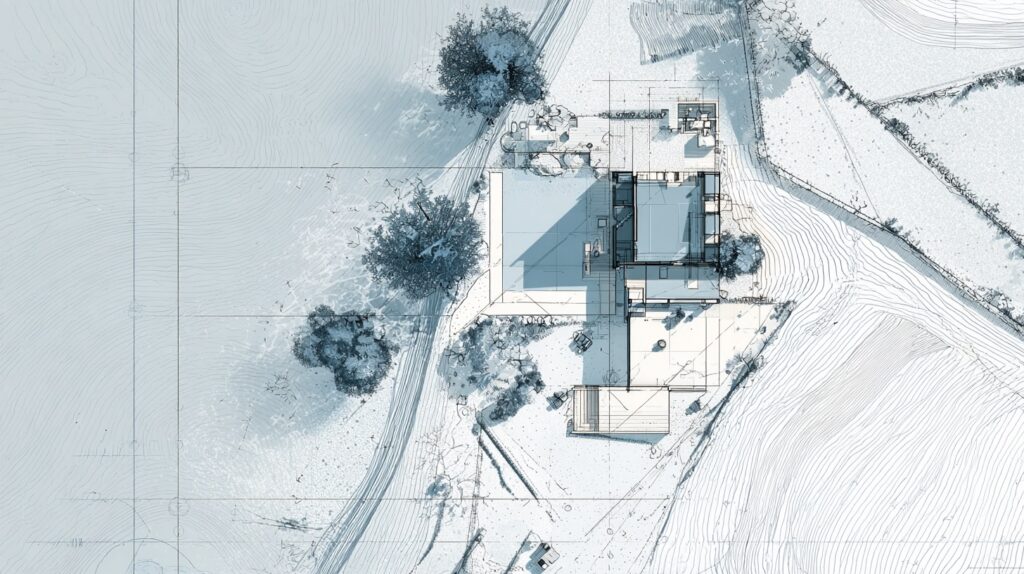

Can prefab homes be expanded or added onto later? In many cases, yes—but the answer depends on the type of prefab home, the original design, the foundation, and local zoning regulations. Prefabricated construction does not prevent future additions, but it does require planning and structural coordination.
This question matters because many buyers choose prefab homes for affordability or speed, with the expectation that they can expand as their needs change. Whether you plan to add a bedroom, a garage, a second story, or an accessory dwelling unit (ADU), understanding how prefab expansions work helps you avoid costly redesigns later.
The Short Answer: Expansion Is Often Possible, but Not Automatic
Most modular prefab homes built on permanent foundations can be expanded similarly to traditional site-built homes. However, expansion feasibility depends on:
- Structural engineering of the original home
- Foundation capacity
- Roof design
- Utility system sizing
- Zoning and lot restrictions
Manufactured homes built to HUD standards may have more limitations, particularly if installed on non-permanent foundations.
Expansion by Prefab Type
Modular Homes
Modular homes are typically the most adaptable. Because they are built to local residential building codes and installed on permanent foundations, additions can often be constructed either with new modular sections or conventional framing.
Common modular expansions include:
- Additional bedroom wings
- Garage additions
- Sunrooms or porches
- Finished basements
- Second-story expansions, when structurally engineered
Many modular builders design homes with future expansion in mind. If expansion is part of your long-term plan, it should be discussed during the initial design phase.
Manufactured Homes
Manufactured homes can sometimes be expanded, but options may be more limited. Structural modifications must comply with federal HUD standards and local placement rules.
In some cases, additions are built separately and attached to the main structure. Lenders may evaluate how expansions affect property classification.
Panelized and Kit Homes
Panelized homes are often similar to site-built construction in terms of expansion flexibility. Because they are assembled on-site, future additions may be more straightforward, depending on engineering.
Foundation Considerations
The foundation plays a major role in expansion feasibility. Permanent foundations such as basements or crawl spaces often allow easier additions than slab-only designs.
Important questions include:
- Was the foundation sized to accommodate future loads?
- Is there room for additional footings?
- Does the roof structure allow for second-story additions?
If the original foundation was not designed for expansion, retrofitting may be possible but more expensive.
Roof Design and Structural Planning
Roof configuration influences expansion potential. Homes with simple gable roofs may be easier to extend than complex rooflines.
Structural planning considerations include:
- Load-bearing wall placement
- Truss design
- Ceiling height allowances
- Connection points for future modules
Buyers who anticipate expansion often benefit from discussing structural allowances during the initial build.
Utility System Capacity
Expansion may require upgrades to:
- Electrical panels
- HVAC systems
- Plumbing lines
- Water heaters
If the original systems were sized only for the initial square footage, future additions may require system replacement rather than simple extensions.
Zoning and Permit Requirements
Local zoning regulations frequently limit expansion size and placement. Before planning an addition, homeowners should confirm:
- Maximum lot coverage percentage
- Setback requirements
- Height restrictions
- HOA rules, if applicable
Even if the home’s structure allows expansion, zoning rules may restrict it.
Permit approval is typically required for any structural addition. Modular additions may require both factory engineering and local inspection.
Cost Considerations for Expanding a Prefab Home
Expansion costs vary widely depending on scope and complexity.
Factors That Influence Cost
- Foundation modifications
- Roof restructuring
- Utility upgrades
- Material matching with the original home
- Labor availability in your region
In some cases, modular additions can be cost-efficient because sections are built in a factory. In others, conventional framing may be more practical.
As with any construction project, regional pricing differences can significantly affect total cost. Buyers researching prefab homes near me should consult local builders familiar with expansion projects.
Timeline Expectations
Expansion timelines depend on:
- Permit approval duration
- Engineering review requirements
- Factory production schedules (if adding modular sections)
- On-site finishing work
Simple room additions may take several months. More complex structural changes can extend timelines further.
Pros and Cons of Expanding Later
Advantages
- Lower upfront cost by building smaller initially
- Flexibility as family needs change
- Ability to spread construction costs over time
Limitations
- Potential disruption during construction
- Material matching challenges
- Increased cost if not planned structurally in advance
Common Misconceptions
“Prefab homes can’t be expanded.”
Many modular homes can be expanded similarly to site-built homes when engineered correctly.
“You must use the original manufacturer.”
While returning to the original builder may simplify matching and engineering, other licensed contractors can sometimes perform additions.
“Expansion is always cheaper than building larger initially.”
Building in phases can offer flexibility, but later construction often involves additional permitting and mobilization costs.
Planning for Future Expansion
If you anticipate future additions, consider:
- Designing the foundation with expansion capacity
- Oversizing the electrical panel
- Choosing a roofline that supports future additions
- Preserving yard space within setback limits
Planning early often reduces future expense and complexity.
Frequently Asked Questions
Can you add a second story to a prefab home?
It may be possible if the original structure and foundation were engineered for additional load. Retrofitting is sometimes feasible but can be complex.
Are modular additions common?
Yes. Some homeowners add additional modular sections, particularly for bedroom or living space expansion.
Do additions affect property value?
Well-designed and permitted expansions can increase usable square footage and potentially improve market value, depending on local demand.
Does financing cover additions?
Some lenders offer renovation or construction loans for expansions. Approval depends on project scope and property classification.
Final Thoughts
Prefab homes can often be expanded or added onto later, particularly modular homes built on permanent foundations. Success depends on structural planning, zoning compliance, and careful coordination between builders and engineers.
Homeowners who anticipate future growth should discuss expansion goals early in the design process. Exploring regional prefab builders and understanding local regulations can help ensure your home remains adaptable as your needs evolve.