
If you’re considering a barndominium, one of the biggest early decisions is whether to start with a barndominium kit or pursue a custom build. The choice matters because it affects more than design—it influences total cost, timeline, permitting complexity, and how much coordination you’ll need to manage during construction.
This guide explains how kits and custom barndominiums differ in the real world, what each approach tends to cost (and why), and how to decide which path makes the most sense for your land, budget, and goals.
Quick Definitions: What “Kit” and “Custom Build” Usually Mean
What Is a Barndominium Kit?
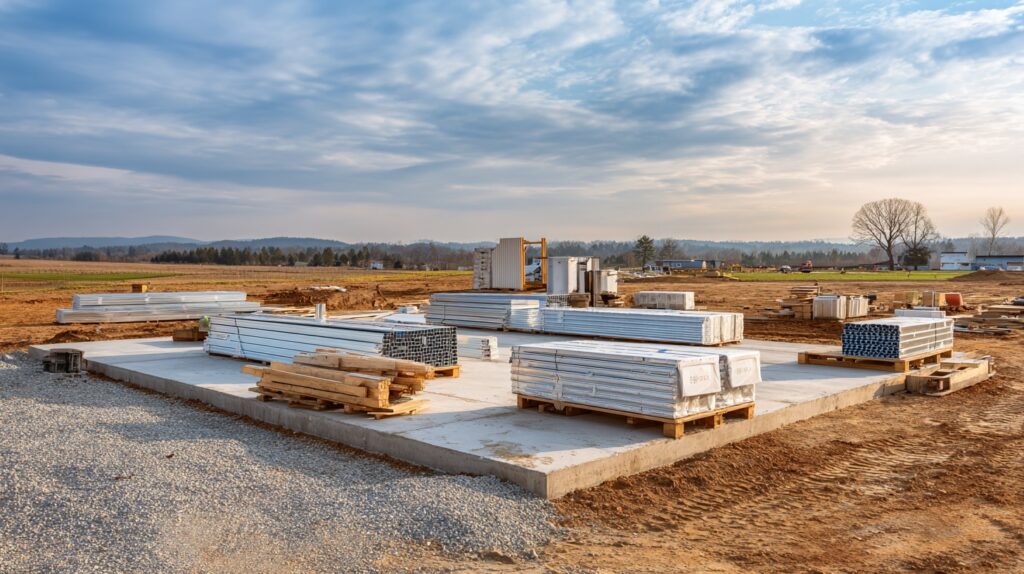
A barndominium kit typically provides the structural shell—often a steel-frame or post-frame package with engineered components, exterior metal siding/roofing, and basic plans. Kits are usually focused on getting you to a weather-tight building envelope. Interior construction, mechanical systems, and finishes are commonly separate.
What Is a Custom Barndominium Build?
A custom build generally means the home is designed and constructed specifically for your site and preferences, with fewer pre-set constraints. This can still involve steel or post-frame methods, but the structure, layout, exterior appearance, and interior specifications are tailored from the start. In many cases, a custom build is delivered as a more integrated “start-to-finish” project by a builder or design-build team.
Important note: “custom” does not always mean expensive finishes. It often means custom planning and coordination, whether the final home is modest or high-end.
The Biggest Difference: Integration vs. Pieces
The most practical distinction is how coordinated the process is.
- Kit approach: You’re often buying a shell package, then hiring (or managing) separate teams for foundation, shell erection, interior build-out, and systems.
- Custom approach: One builder or team is more likely to coordinate the full scope—design, engineering, permitting support, and construction sequencing.
This affects risk and predictability. Kits can be cost-effective, but they tend to require more hands-on management, especially if you’re acting as the general contractor.
Cost Considerations: What Buyers Often Miss
Many buyers start with the kit price and assume it represents the “home price.” In most cases, it doesn’t. A kit is typically only one slice of the total project cost.
How Kits Can Save Money
Barndominium kits can make financial sense when:
- You want a simple rectangular footprint and a standard roofline.
- You have access to competitively priced local labor for erection and interior work.
- You can self-manage construction or DIY parts of the interior (where allowed).
- Your site is straightforward (flat, accessible, easy utilities).
In these scenarios, the structural shell can be a more economical starting point than designing the entire structure from scratch.
Where Kit Projects Often Get More Expensive Than Expected
Even if the shell is affordable, total costs can rise due to:
- Foundation and site work: grading, driveway access, drainage, excavation, slab or foundation system
- Utilities and infrastructure: septic, well, electrical runs, trenching, propane, internet
- Code compliance upgrades: insulation strategy, vapor control, energy compliance documentation
- Interior build-out: framing, drywall, plumbing, electrical, HVAC, kitchens/baths, finishes
- Coordination gaps: rework when the shell and interior plans don’t align cleanly
These costs exist in any build, but kit projects can experience higher variability because responsibilities are split across vendors.
How Custom Builds Can Control Cost
Custom builds are not automatically cheaper or more expensive. The advantage is often cost clarity—fewer unknowns and fewer “surprises” created by scope gaps.
A well-run custom barndominium project may provide:
- A more complete, itemized budget earlier in the process
- Design decisions made with local permitting and construction constraints in mind
- Better alignment between structure, mechanicals, and interior layout
That can reduce change orders and delays, which is where many budgets get stretched.
Timeline and Process: Which Is Faster?
Both approaches can be efficient, but “faster” depends on what you mean.
When Kits Can Move Quickly
Kits can shorten early-stage planning because structural engineering and material sourcing are partly standardized. Shell erection can also be quick once you have permits and a foundation in place.
However, the overall build timeline is still heavily influenced by:
- permit approval times
- contractor availability (especially for HVAC, plumbing, electrical)
- inspections and scheduling
- weather and site access
When Custom Builds Can Be Faster
A custom build may move faster overall when one team controls the sequencing. Fewer handoffs can mean fewer pauses between phases.
Custom builds also often reduce late-stage redesigns because the home is planned as a complete residential project from day one.
Permits, Zoning, and Local Restrictions
Zoning and permitting are where “kit vs. custom” differences can matter a lot—especially if you’re searching for barndominium options “near me” and local rules vary widely.
Common Permit Issues for Kit-Based Barndominiums
- Plans not accepted as-is: local jurisdictions may require architect- or engineer-stamped drawings specific to your site
- Energy code documentation: insulation and HVAC design must meet local energy codes, which kit documents may not address fully
- Residential classification concerns: some areas restrict metal exteriors or treat certain building styles as non-residential
None of these issues are dealbreakers in every location, but they can add time and professional fees.
Why Custom Builds Can Reduce Permit Friction
Custom projects tend to handle permitting more smoothly because the design is created with local requirements in mind, including:
- wind and snow load requirements
- roof pitch or exterior material rules (where applicable)
- setbacks, height limits, and use restrictions
That said, custom builds still depend on local regulations. “Custom” doesn’t override zoning.
Pros and Cons: Kits vs. Custom Builds
Barndominium Kits: Pros
- Potentially lower shell cost, especially for simple designs
- Faster shell procurement and erection in many cases
- Clear starting scope (you know what the shell package contains)
- Good fit for owner-builders who want control over finishes
Barndominium Kits: Cons
- Total cost is often less predictable until interior scope is defined
- More coordination required between vendors and trades
- Permitting may require additional drawings and compliance documents
- Responsibility gaps can lead to delays or rework (who owns what problem?)
Custom Builds: Pros
- More integrated budgeting, scheduling, and accountability
- Design tailored to your site, climate, and local codes
- Fewer handoffs between shell, interior, and mechanical planning
- Greater flexibility for exterior style and “residential” appearance
Custom Builds: Cons
- Design and planning phase can take longer upfront
- May require higher initial professional fees (design, engineering)
- Costs can rise quickly with complex layouts or high-end finishes
- Quality depends heavily on the builder’s experience with barndominiums specifically
Common Misconceptions and Mistakes
Misconception: “A kit is a turnkey home.”
Most kits are not. Buyers often underestimate interior construction, permits, and site costs.
Misconception: “Custom always means expensive.”
Custom often means coordinated and site-specific. A custom barndominium can still be a modest, practical home.
Mistake: Buying land before confirming zoning and residential standards
Some jurisdictions limit metal exteriors or have design standards that affect kit-style buildings. Written confirmation from local planning/building departments is typically worth the effort.
Mistake: Choosing the shell before finalizing the floor plan and systems
Plumbing runs, mechanical rooms, and window/door placement should be planned early. When these are decided after the shell is ordered, changes can be expensive.
Which Option Makes More Sense? A Practical Decision Framework
There isn’t a universal winner. The better choice depends on your site, goals, and tolerance for managing complexity.
Kits Often Make More Sense If:
- You want a simple footprint and standard structure
- You’re comfortable coordinating trades or acting as your own GC
- You have reliable local contractors familiar with metal or post-frame work
- You’re building in a jurisdiction where permitting kit-based shells is common
Custom Builds Often Make More Sense If:
- Your site is complex (slope, access, utilities, soil issues)
- You want a specific exterior look that needs careful detailing
- You want one team accountable for schedule and integration
- You’re in an area with strict residential design or energy code requirements
How This Compares to Modular Homes and Other Prefab Options
If your primary goal is cost predictability and streamlined delivery, it may also be worth comparing barndominium paths to modular homes or other prefab homes near you. Modular homes are typically built to residential codes in a factory setting and delivered with interiors largely complete, which can reduce on-site labor and improve schedule certainty.
Barndominiums—kit-based or custom—often offer more flexibility in footprint and mixed-use space, but can involve more permitting and interior planning variability.
Frequently Asked Questions
Is a barndominium kit cheaper than a custom barndominium?
Sometimes at the shell level. Total project cost often depends more on site work, interior finishes, and local labor than on whether the structure started as a kit.
Do barndominium kits include engineering and permits?
Kits often include basic engineering drawings, but permits are handled locally and may require additional stamped plans or compliance documents.
Which option is easier to finance?
Financing varies by lender and local market. Some lenders prefer more conventional, integrated construction plans. In both cases, clear documentation and a well-defined scope help.
Can you make a kit barndominium look like a traditional home?
Often, yes—through exterior finishes, rooflines, window design, and detailing. Local design rules may influence what’s allowed.
Final Thoughts
Barndominium kits and custom builds can both be viable paths, but they solve different problems. Kits can be a practical way to secure a structural shell efficiently, while custom builds can reduce coordination risk and align the full design with local requirements from the start.
If you’re weighing barndominiums against modular homes, ADUs, or other prefab housing options near you, the best next step is usually to compare total project scope—site work, permits, interior finishes, and timeline—not just the headline price or shell package. Continuing your research locally will give you the clearest view of what makes sense for your specific property and goals.