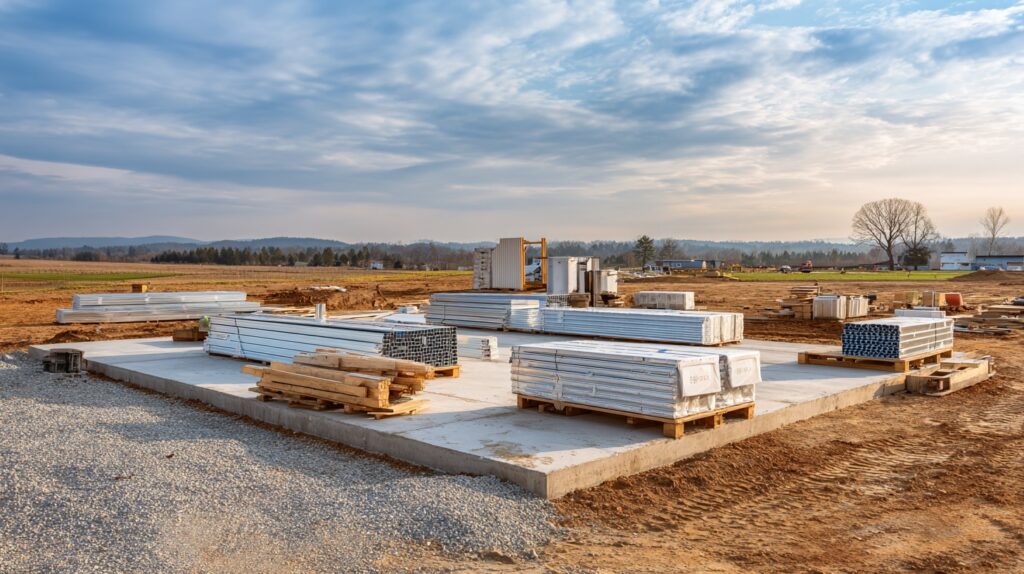

Steel frame homes are often discussed as a more durable, modern alternative to traditional wood framing. But one of the first questions serious homebuyers ask is whether steel frame homes actually cost more upfront. The short answer is often yes, but the reasons behind that cost difference matter, and the gap is not always as large as people expect.
This article explains what drives the upfront cost of steel frame homes, how they compare to wood frame homes, and when the higher initial price may or may not make sense for buyers exploring prefab, modular, or site-built options.
What Is a Steel Frame Home?
A steel frame home uses light-gauge galvanized steel studs and structural components instead of dimensional lumber. These steel members are manufactured to precise specifications and assembled either on-site or in a factory setting.
Steel framing is commonly used in:
- Prefab and modular homes
- Multi-family and commercial buildings
- Homes in regions with termites, wildfires, or high humidity
Once finished, a steel frame home usually looks identical to a wood frame home. The cost differences are mostly hidden inside the walls.
Why Steel Frame Homes Often Cost More Upfront
Material Costs
Steel framing materials typically cost more per square foot than wood framing materials. Steel prices fluctuate based on global supply and demand, and those fluctuations can affect project budgets.
Compared to wood, steel framing often:
- Has a higher base material cost
- Requires specialized connectors and fasteners
- Is manufactured rather than sourced locally
In contrast, wood framing materials are widely available and often cheaper, especially in regions close to lumber supply chains.
Labor and Expertise
Steel framing requires different skills than wood framing. While steel components are lighter and straighter, fewer residential contractors specialize in steel construction.
This can lead to:
- Higher labor rates for experienced crews
- Longer learning curves for contractors new to steel
- Less competitive bidding in some markets
In factory-built prefab or modular homes, this labor difference is often reduced because the steel framing is assembled in controlled environments by trained crews.
Engineering and Design Requirements
Steel frame homes often require more upfront engineering work, especially for custom designs.
This may include:
- Detailed structural calculations
- Thermal break and insulation planning
- Corrosion protection strategies
These design considerations can add modest costs early in the project but help avoid problems later.
How Much More Expensive Are Steel Frame Homes?
There is no single price difference that applies everywhere. Upfront cost comparisons depend on location, project type, and construction method.
In general:
- Steel frame homes may cost 5 to 15 percent more upfront than comparable wood frame homes
- The gap can be smaller in prefab or modular construction
- In some regions, pricing may be nearly equal
These figures are estimates and vary widely by builder, design complexity, and local labor markets.
Prefab and Modular Steel Frame Homes
Prefab and modular construction can change the cost equation for steel framing.
In factory-built homes:
- Steel framing benefits from precise manufacturing
- Material waste is reduced
- Labor efficiency is higher
As a result, the upfront premium for steel framing may be smaller than in site-built homes. Some prefab builders choose steel specifically because it integrates well with repeatable manufacturing processes.
Cost Areas Where Steel Framing Can Offset Upfront Expenses
Reduced Material Waste
Steel components are manufactured to exact dimensions. This often results in less waste compared to wood framing, where offcuts and damaged lumber are common.
Fewer Structural Repairs
Steel does not warp, shrink, or split over time. This can reduce early repairs related to framing movement, especially in the first few years after construction.
Pest Resistance
Steel framing is not vulnerable to termites or carpenter ants. In regions with severe pest pressure, avoiding treatment systems can reduce initial and ongoing costs.
Upfront Costs Beyond Framing
It is important to separate framing costs from total project costs.
Regardless of framing material, buyers still pay for:
- Foundations
- Permits and inspections
- Utility connections
- Interior finishes and appliances
Steel framing usually affects only a portion of the total construction budget. In many cases, the framing cost difference represents a small percentage of the overall price.
Timeline and Construction Speed
Steel Frame Homes
Steel framing can speed up construction when components are prefabricated.
Potential timeline benefits include:
- Faster assembly once materials arrive
- Fewer delays from warped or damaged materials
- Better predictability in factory-built homes
Wood Frame Homes
Wood framing remains faster in many site-built projects because crews are familiar with the process.
However, weather exposure and material variability can cause delays.
Pros and Cons of Paying More Upfront
Potential Advantages
- Long-term durability
- Resistance to pests and moisture damage
- Consistent structural performance
- Compatibility with modern prefab systems
Potential Drawbacks
- Higher initial framing costs
- Fewer residential contractors with experience
- More detailed planning required early
Common Misconceptions About Steel Frame Costs
“Steel Frame Homes Are Always Much More Expensive”
The upfront difference is often smaller than expected, especially in prefab or modular construction.
“Steel Homes Are Only for High-End Builds”
Steel framing is used across a wide range of housing types, including modest prefab homes.
“The Framing Cost Determines the Whole Budget”
Framing is only one component of total home cost. Land, utilities, and finishes often matter more.
Zoning, Permits, and Financing Considerations
From a regulatory standpoint, steel frame homes are generally treated the same as wood frame homes.
Most building codes allow steel framing when it meets engineering requirements.
Potential considerations include:
- Some local inspectors may be less familiar with steel framing
- Lenders may request additional documentation for non-traditional systems
These issues usually affect timelines more than upfront cost.
Frequently Asked Questions
Are steel frame homes always more expensive upfront?
Often yes, but the difference varies by region, builder, and construction method.
Do prefab steel frame homes cost less than site-built ones?
Prefab construction can reduce the cost gap because of factory efficiency.
Does steel framing increase insurance costs?
Insurance pricing depends on location and provider. Some insurers view steel framing favorably.
Can steel frame homes save money long term?
They may reduce maintenance, pest control, and structural repair costs over time.
Final Thoughts
Steel frame homes are often more expensive upfront, but the increase is usually tied to material pricing, labor specialization, and design requirements rather than unnecessary complexity. In prefab and modular construction, the cost difference may be modest and sometimes offset by efficiency and durability benefits.
For buyers evaluating steel frame homes, the key is to look beyond initial framing costs and consider the full project budget, construction method, and long-term performance. Continuing to research builders and local requirements can help determine whether steel framing aligns with your priorities and budget.