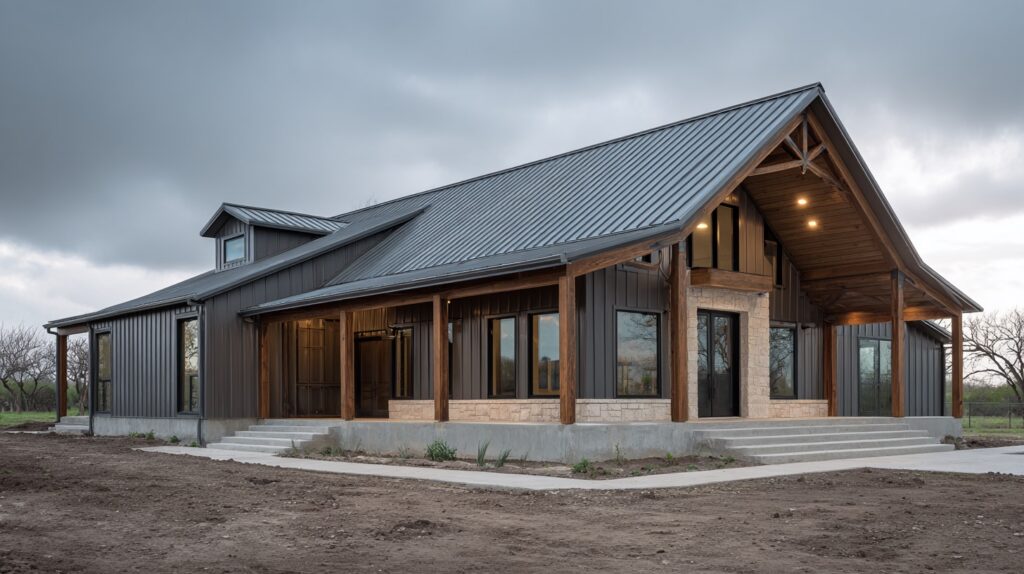

Are prefab homes safe and durable in extreme weather? This is a common and reasonable concern for buyers considering modular homes, panelized construction, ADUs, or other factory-built housing. Wildfires, hurricanes, heavy snow, and earthquakes are increasing in frequency or severity in many regions. Homeowners want to know whether prefab construction can stand up to these conditions.
The answer depends on the type of prefab home, how it is engineered, where it is installed, and whether it meets local building codes. In many cases, prefab homes built to modern residential standards perform as well as traditional site-built homes. In some scenarios, factory construction can offer structural advantages. However, durability always depends on proper design, permitting, installation, and maintenance.
Understanding What “Prefab” Means
The word “prefab” refers to homes built partially or fully in a factory setting and assembled on-site. It includes:
- Modular homes built to state and local residential building codes
- Panelized homes assembled from factory-made wall systems
- Kit homes delivered as pre-cut materials for on-site assembly
- Manufactured homes built to federal HUD standards
Safety and durability vary by classification. Modular and panelized homes that meet local building codes are generally evaluated the same way as site-built homes for structural performance.
How Prefab Homes Perform in High Winds and Hurricanes
Engineering and Wind Ratings
Homes in hurricane-prone or high-wind regions must meet specific wind-load requirements defined by local building codes. Modular homes built for these regions are engineered accordingly, often with reinforced framing, hurricane straps, and anchoring systems.
Because modules are transported from factories to job sites, they must often be built rigid enough to withstand highway travel. This can result in additional structural reinforcement compared to some site-built homes. However, final performance depends on proper foundation anchoring and installation.
Installation Is Critical
Wind resistance is influenced heavily by:
- Foundation design and anchoring
- Roof attachment methods
- Garage door ratings
- Window and door impact resistance
If a prefab home is not installed correctly, even strong factory construction cannot compensate. Working with experienced builders who understand regional wind requirements is essential.
Fire Resistance and Wildfire Zones
In wildfire-prone areas, fire safety is often determined more by materials and defensible space than by whether a home is prefab or site-built.
Fire-Resistant Features
- Non-combustible siding such as fiber cement or stucco
- Class A fire-rated roofing materials
- Tempered glass windows
- Ember-resistant vent systems
Prefab homes can be specified with fire-resistant materials just like traditional homes. Local zoning and building codes in wildfire zones typically dictate minimum fire performance requirements.
Buyers researching prefab homes near me in fire-prone regions should verify compliance with local fire codes and defensible space guidelines.
Snow Load and Cold Climate Durability
Heavy snow and freezing temperatures create structural and energy performance challenges. Roof pitch, truss design, and insulation levels play key roles.
Roof and Structural Design
Prefab homes designed for northern climates are engineered for specific snow-load ratings. Local building departments require structural calculations to ensure roofs can support anticipated snow weight.
Insulation and Air Sealing
Factory-built homes often benefit from consistent insulation installation and air sealing. This can reduce heat loss and improve energy efficiency in cold climates. However, performance depends on specifications chosen during design.
Earthquake Performance
In seismic regions, homes must comply with local structural requirements for lateral forces. Modular homes in these areas are typically engineered with reinforced framing and structural connectors designed to handle movement.
Earthquake durability depends on:
- Foundation type
- Anchoring systems
- Shear wall design
- Soil conditions
In some cases, modular construction can perform well because of reinforced framing used for transportation. However, seismic performance ultimately depends on engineering compliance with local codes.
Common Misconceptions About Prefab Home Safety
“Prefab homes are weaker than site-built homes.”
This is not necessarily accurate. Modular homes built to residential codes must meet the same structural standards as traditional homes. Factory quality control can reduce some common construction errors.
“Prefab homes are temporary structures.”
Modular and panelized homes installed on permanent foundations are considered permanent dwellings. Durability depends on materials and construction quality, not the factory setting.
“Manufactured homes and modular homes are the same.”
They are regulated differently. Manufactured homes follow federal HUD standards, while modular homes follow local residential codes. Safety expectations differ accordingly.
Cost Considerations for Extreme Weather Design
Designing for extreme weather can increase upfront costs regardless of construction type.
- Impact-rated windows and doors
- Upgraded roof assemblies
- Reinforced anchoring systems
- Fire-resistant exterior materials
These upgrades may increase total project costs but can reduce long-term risk and insurance premiums in some areas. Buyers should evaluate total prefab costs alongside regional hazard exposure.
Permits, Zoning, and Local Requirements
Building codes vary significantly by state and municipality. A prefab home that meets standards in one region may require modifications in another.
Local permitting processes typically review:
- Structural engineering plans
- Foundation design
- Energy code compliance
- Fire and wind ratings
Using platforms like PrefabNearMe can help buyers identify builders who understand regional permitting requirements and climate considerations.
Pros and Cons of Prefab Homes in Extreme Weather
Potential Advantages
- Controlled factory construction environment
- Consistent framing quality
- Engineering designed for transportation stresses
- Ability to customize for regional hazards
Potential Limitations
- Performance varies by builder and specification
- Installation quality is critical
- Upgrades for hazard zones can increase costs
Extreme weather performance depends more on engineering and compliance than on whether the home was built in a factory or on-site.
Frequently Asked Questions
Are modular homes hurricane-proof?
No home is entirely hurricane-proof. However, modular homes engineered to meet local wind-load requirements can perform comparably to site-built homes in similar conditions.
Do prefab homes meet local building codes?
Modular and panelized homes must meet local building codes. Manufactured homes follow federal standards. Requirements vary by region.
Are prefab homes safe in earthquake zones?
Prefab homes built to seismic code requirements can perform similarly to site-built homes. Proper foundation anchoring is essential.
Do prefab homes require special insurance?
Insurance policies typically depend on classification, location, and hazard exposure rather than whether a home is prefab.
Final Thoughts
Prefab homes can be safe and durable in extreme weather when they are properly engineered, permitted, and installed to meet local building standards. Performance depends on materials, design specifications, and compliance with regional codes rather than the construction method alone.
Homebuyers should evaluate local climate risks, compare builder experience, and confirm structural specifications carefully. Continuing to research regional prefab options and reviewing qualified builders can help ensure that safety and durability expectations are aligned with local conditions.