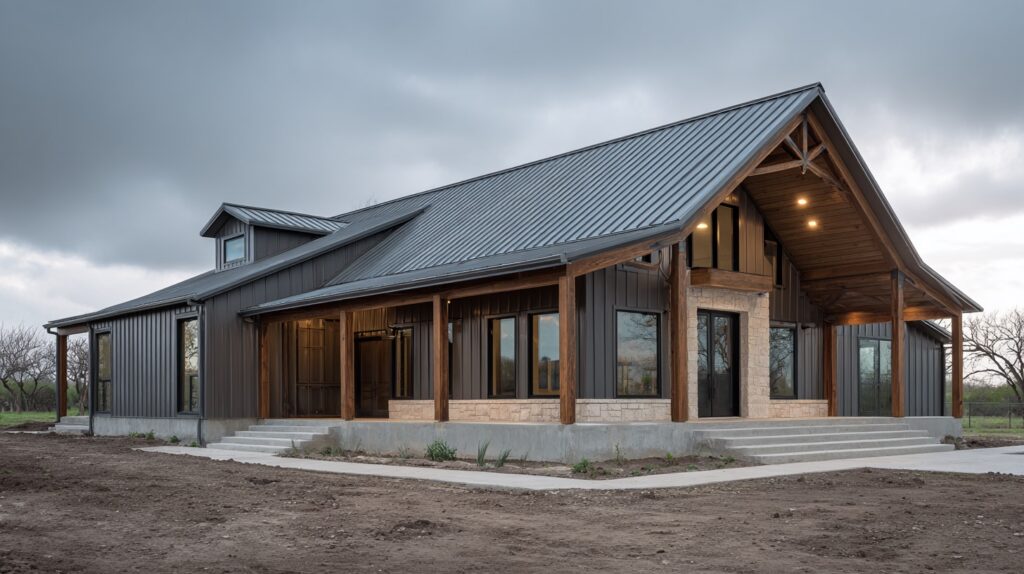

Are prefab homes energy efficient and sustainable? In many cases, yes—but the answer depends on design choices, materials, climate, and how the home is installed and operated. Prefabricated construction can offer meaningful efficiency advantages, but it is not automatically greener or more sustainable than traditional construction.
This question matters because energy performance affects long-term utility costs, comfort, resale value, and environmental impact. For buyers comparing prefab homes near me with site-built alternatives, understanding how efficiency actually works in prefab construction is essential.
What Makes a Home Energy Efficient?
Before evaluating prefab construction specifically, it helps to define energy efficiency in residential housing. A home’s performance typically depends on:
- Insulation levels in walls, floors, and roof
- Air sealing and tight construction
- Window and door performance
- HVAC system efficiency
- Orientation and passive solar design
- Climate zone requirements
Prefab homes can perform well in these areas, but results vary by builder and specification level.
Why Prefab Construction Can Improve Energy Performance
One of the potential advantages of prefab homes is factory-controlled construction. Unlike site-built homes exposed to weather and varying jobsite conditions, prefab homes are assembled in controlled environments.
Precision and Reduced Material Waste
Factory production often allows tighter tolerances. This can lead to better air sealing and reduced gaps in framing assemblies. Material waste may also be lower because factories optimize cuts and reuse offcuts more efficiently.
Consistent Insulation Installation
Insulation installed indoors under controlled conditions can reduce errors such as compression or gaps. Properly installed insulation contributes directly to long-term energy efficiency.
Advanced Wall Systems
Some prefab manufacturers offer enhanced wall assemblies, including:
- Structural insulated panels (SIPs)
- Double-stud wall systems
- Continuous exterior insulation
- High-performance air barriers
These systems can exceed standard building code requirements in certain regions.
Where Energy Performance Still Depends on Design
Prefab construction does not guarantee efficiency. A poorly designed prefab home can perform similarly to a poorly designed site-built home.
Window Placement and Size
Large expanses of glass may increase heat gain or loss depending on orientation and climate. Proper window selection and placement matter more than construction method.
Mechanical Systems
High-efficiency HVAC systems, heat pumps, and energy recovery ventilators significantly influence performance. Buyers should confirm system specifications rather than assuming efficiency is included.
Climate Zone Considerations
Energy code requirements vary by state and region. A prefab home built for a mild climate may require upgrades when installed in colder or hotter zones.
Are Prefab Homes More Sustainable?
Sustainability extends beyond operational energy use. It also includes material sourcing, transportation, durability, and long-term performance.
Reduced Construction Waste
Factory production can reduce waste through standardized processes and recycling practices. On-site stick-built construction often generates higher waste volumes.
Transportation Impact
Transporting modules or panels to a jobsite adds fuel use and emissions. However, this impact may be offset by reduced jobsite waste and fewer on-site construction days. The balance depends on distance and logistics.
Durability and Longevity
A sustainable home must last. Modular homes built to local building codes are structurally equivalent to site-built homes. When maintained properly, they can perform similarly over time.
Durability reduces lifecycle environmental impact by minimizing premature replacement or major repairs.
Cost Considerations for Energy Efficiency
Energy-efficient upgrades often increase upfront costs. Buyers should evaluate whether higher-performance systems align with long-term plans.
Common Efficiency Upgrades
- Higher R-value insulation
- Triple-pane windows
- Heat pump HVAC systems
- Solar-ready roofing
- Battery storage systems
These features can reduce operating costs but may extend payback periods depending on local utility rates.
Timeline and Installation Factors
Prefab homes may shorten on-site construction time, which can reduce environmental disturbance. However, site preparation still requires excavation, foundation work, and utility trenching.
Efficient installation depends on:
- Proper foundation preparation
- Careful module sealing during assembly
- Correct mechanical system commissioning
Even highly efficient wall systems can underperform if installation is not executed properly.
Zoning, Codes, and Certification
Energy efficiency is influenced by local building codes. Many states have adopted updated energy standards that apply equally to modular and site-built homes.
Some prefab homes may pursue certifications such as:
- ENERGY STAR®
- DOE Zero Energy Ready
- Passive House standards
These certifications require specific performance metrics and independent verification.
Pros and Cons of Prefab Sustainability
Advantages
- Factory precision and reduced waste
- Potential for advanced wall assemblies
- Shorter on-site build timelines
- Controlled quality checks
Limitations
- Transportation emissions
- Efficiency varies by builder
- Upgrades increase upfront costs
- Climate-specific adjustments may be required
Common Misconceptions
“Prefab homes are automatically eco-friendly.”
Energy efficiency depends on design and specifications. Not all prefab homes include high-performance systems.
“Sustainability only means solar panels.”
Building envelope performance, insulation, and air sealing often have a larger impact on energy use than solar alone.
“Factory-built homes are less durable.”
Modular homes built to local codes meet structural standards similar to site-built homes.
Comparing Prefab to Other Housing Types
Compared to traditional stick-built construction, prefab homes may offer better consistency and waste control. Compared to manufactured homes, modular prefab homes typically meet local residential building codes, which can influence long-term performance and resale value.
Alternative housing options such as barndominiums or panelized homes can also achieve high efficiency if properly designed.
Frequently Asked Questions
Do prefab homes meet energy codes?
Yes. Modular homes must meet local building codes in the jurisdiction where they are installed.
Can prefab homes be net-zero?
Some prefab designs are capable of net-zero energy performance with proper insulation, air sealing, and renewable energy integration.
Are prefab homes good for cold climates?
They can be, provided insulation levels and mechanical systems are designed for the local climate zone.
Is factory construction better for the environment?
Factory construction may reduce material waste, but overall sustainability depends on materials, transportation, and long-term performance.
Final Thoughts
Prefab homes can be energy efficient and sustainable, but performance depends on design choices, builder specifications, climate conditions, and proper installation. Buyers who evaluate insulation levels, mechanical systems, certifications, and long-term operating costs are more likely to achieve meaningful efficiency gains.
As with any housing decision, comparing options carefully and understanding local requirements will help determine whether a specific prefab home aligns with your energy and sustainability goals.