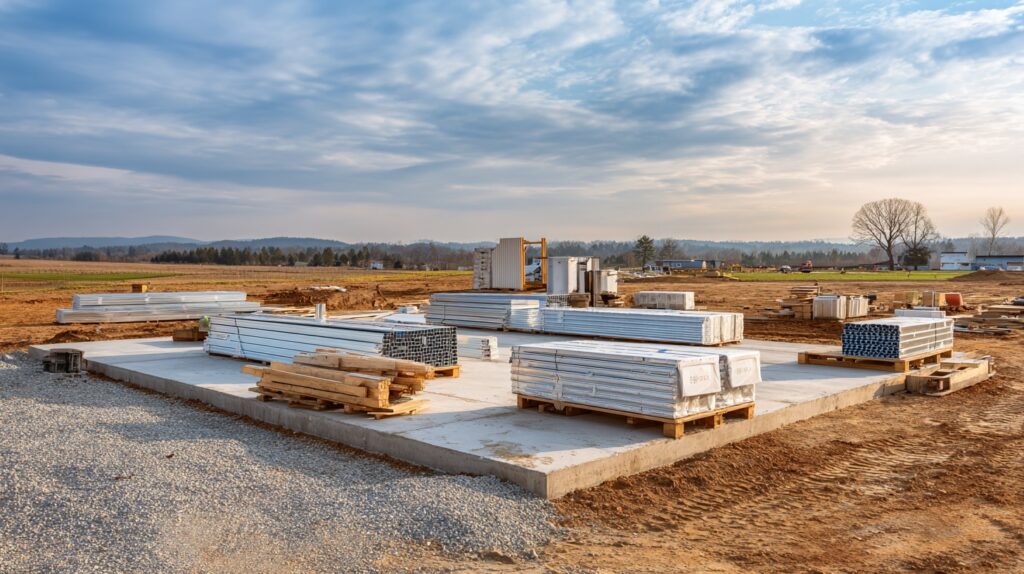

Barndominium kits are often promoted as a straightforward way to build a home, especially for people who have never built before. The idea is appealing: buy a pre-engineered package, assemble the shell, and finish the interior at your own pace. But for first-time builders, the more important question is not whether barndominium kits are popular—it’s whether they are actually a good fit for someone without prior construction experience.
This article looks at barndominium kits through the lens of first-time builders, examining cost, process, permitting, and practical realities that are easy to overlook early on.
What a Barndominium Kit Really Is (and Isn’t)
A barndominium kit is typically a package that includes the structural shell of a building, usually based on steel-frame or post-frame construction. The goal of the kit is to simplify sourcing and engineering for the building envelope.
What Kits Typically Include
- Primary structural framing (steel or posts)
- Secondary framing components
- Exterior metal siding and roofing
- Fasteners and basic trim
- Engineering drawings for the structure
For first-time builders, it’s important to understand that a kit is not a finished home and not equivalent to a turnkey prefab or modular house.
What Kits Do Not Include
- Foundation or concrete work
- Interior framing and finishes
- Plumbing, electrical, and HVAC systems
- Insulation and energy-code compliance
- Permits, inspections, or zoning approvals
- Labor to assemble or finish the building
These omissions are not flaws, but they do shape whether a kit makes sense for a first-time builder.
Why Barndominium Kits Appeal to First-Time Builders
For people building their first home, barndominium kits can feel less intimidating than a fully custom build.
Perceived Simplicity
Kits are marketed as “pre-engineered” and “ready to assemble,” which suggests fewer decisions and fewer technical hurdles. For some buyers, having a defined package reduces early-stage overwhelm.
Lower Upfront Pricing
The advertised price of a barndominium kit is often lower than the cost of a finished home, which can make the project feel more financially approachable—especially when compared to traditional construction or even modular homes.
Flexible Build Pace
Some first-time builders like the idea of completing the interior over time or managing parts of the project themselves, depending on budget and availability.
Cost Reality for First-Time Builders
Cost is where expectations and reality often diverge.
Shell Cost vs. Total Project Cost
For first-time builders, the most common mistake is assuming the kit price represents the majority of the project cost. In practice, the shell is only one component.
Additional costs typically include:
- Site preparation and foundation
- Utility connections (septic, well, power, internet)
- Interior framing and finishes
- Mechanical systems and inspections
- Design revisions required by local code
Once these are added, the total cost of a finished barndominium often approaches that of a conventional or modular home—especially in areas with higher labor costs.
Budget Risk for New Builders
First-time builders are often less prepared for:
- Change orders when plans evolve mid-build
- Price fluctuations in labor or materials
- Costs triggered by local inspection requirements
Because kits break the project into multiple phases and vendors, cost overruns can be harder to anticipate.
The Build Process: What First-Time Builders Should Expect
Barndominium kits simplify one part of the build, but they don’t remove the need for project coordination.
Typical Build Sequence
- Land purchase and zoning verification
- Design alignment with local codes
- Permitting and approvals
- Foundation construction
- Kit delivery and shell erection
- Interior build-out and inspections
For first-time builders, the challenge is not just understanding these steps, but managing timing, inspections, and contractor availability between them.
Who Acts as the General Contractor?
With many kit-based projects, the homeowner ends up acting as the general contractor—either by choice or necessity. This means coordinating:
- Multiple trades
- Inspections
- Scheduling conflicts
- Problem resolution when components don’t align
This role can be manageable, but it requires time, organization, and comfort with construction decisions.
Zoning, Permits, and Local Restrictions
Barndominium kits do not bypass zoning or building codes, and first-time builders are sometimes caught off guard by this.
Common Local Issues
- Restrictions on metal exteriors in residential zones
- Energy code requirements that exceed kit specifications
- Roof pitch, height, or façade rules
- Residential classification of agricultural-style buildings
Even when kits include engineering drawings, local building departments often require site-specific revisions.
This is especially important for buyers searching for “barndominium kits near me,” where rules vary significantly by jurisdiction.
Pros and Cons of Barndominium Kits for First-Time Builders
Pros
- Defined starting scope with engineered structure
- Potentially lower shell cost
- Flexible interior customization
- Durable structural systems
Cons
- Total cost is often harder to predict
- Greater responsibility for coordination
- Permitting complexity in some areas
- Interior construction is similar to a custom home
Common Misconceptions First-Time Builders Have
“A kit makes the project simple.”
It simplifies the shell, not the entire build.
“I can save money by doing everything myself.”
Some tasks require licensed professionals and inspections, regardless of skill level.
“If it’s rural land, it must be allowed.”
Zoning rules still apply, even in agricultural areas.
When a Barndominium Kit Can Make Sense for a First-Time Builder
Kits tend to work best for first-time builders who:
- Have access to reliable local contractors
- Are comfortable managing schedules and decisions
- Are building in areas familiar with metal or post-frame homes
- Have realistic expectations about cost and timeline
When Another Option May Be Easier
For some first-time builders, alternatives such as modular homes or other prefab homes near them may offer:
- More predictable total pricing
- Simplified permitting
- Less on-site coordination
These options trade some flexibility for clarity and convenience.
Frequently Asked Questions
Are barndominium kits cheaper for first-time builders?
They can be at the shell level, but total costs are often similar to other building methods once finished.
Do barndominium kits include permits?
No. Permits are issued locally and typically require additional documentation beyond the kit.
Can a first-time builder act as their own general contractor?
In many areas, yes—but it requires time, organization, and comfort managing licensed trades.
Are barndominium kits easier than modular homes?
Not necessarily. Modular homes often reduce on-site work, while kits require more coordination after delivery.
Final Thoughts
Barndominium kits can be worth considering for first-time builders, but they are not automatically the easiest or lowest-risk option. They work best for people who understand the full scope of what’s involved and are prepared to manage multiple phases of construction.
For buyers comparing barndominiums, modular homes, ADUs, or other prefab housing options near them, the most important step is to look beyond the kit price and evaluate the entire project—cost, permits, timeline, and personal involvement—before deciding which path fits best.