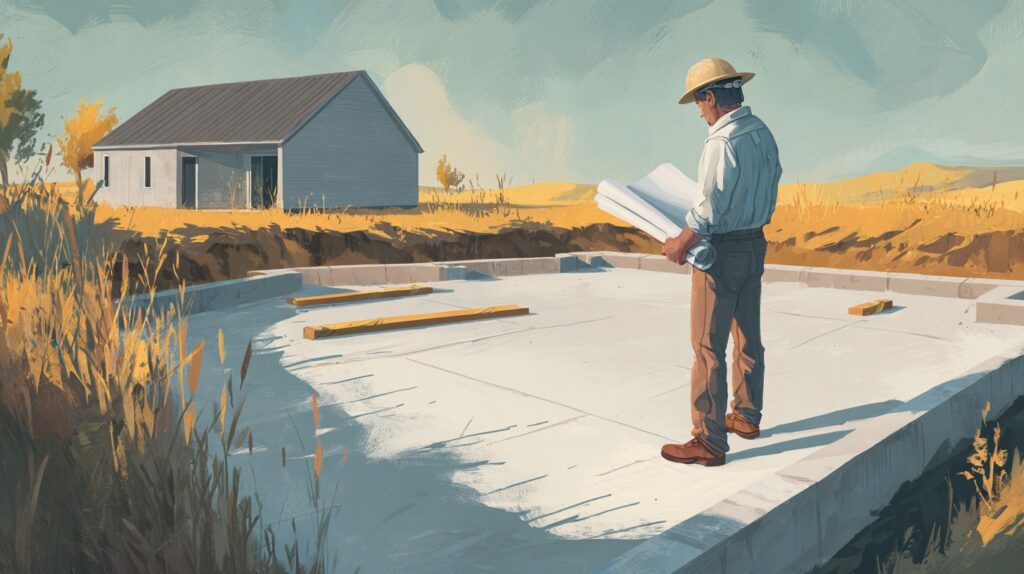

ADU kits are often presented as a middle ground between hiring a full-service builder and taking on a fully custom project. For homeowners with construction skills or a strong interest in hands-on building, a natural question comes up early: are ADU kits actually realistic for DIY builders?
The answer depends less on marketing claims and more on experience level, local regulations, available time, and tolerance for complexity. This article breaks down what DIY builders can realistically expect from ADU kits, where self-building makes sense, and where it often becomes more challenging than anticipated.
What “DIY” Really Means in the Context of ADU Kits
DIY means different things to different homeowners. In the context of ADU kits, it rarely means doing everything yourself from start to finish.
Most DIY ADU projects fall into one of these categories:
- Owner-builder managing subcontractors
- Partial self-build with professional help for trades
- Hands-on assembly with licensed contractors for regulated work
Very few jurisdictions allow homeowners to self-perform all aspects of an ADU build, especially plumbing, electrical, and HVAC.
What ADU Kits Make Easier for DIY Builders
ADU kits are designed to reduce some of the friction that comes with starting from scratch.
Simplified Material Sourcing
One of the biggest advantages of an ADU kit is that major structural components are bundled together. This can save time and reduce errors related to ordering the wrong materials.
Typical benefits include:
- Pre-cut or panelized framing
- Matched structural components
- Clear material lists
Defined Building Envelope
ADU kits usually come with a defined size and layout, which can help DIY builders avoid design paralysis and scope creep.
This can be especially helpful for first-time builders who want clear boundaries.
Predictable Starting Point
Compared to fully custom builds, kits provide a predictable baseline. This can make planning easier even if much of the work still happens on-site.
Where DIY Builders Often Run Into Challenges
While ADU kits reduce some complexity, they do not eliminate the hardest parts of building an ADU.
Permitting and Code Compliance
Permitting is one of the most common stumbling blocks for DIY builders.
Even when a kit includes plans, those plans often need to be:
- Reviewed by local building departments
- Modified to meet local codes
- Stamped by licensed professionals
DIY builders must be prepared to navigate this process or hire help.
Foundation and Site Work
Foundation work is rarely DIY-friendly.
It typically involves:
- Excavation and grading
- Concrete work
- Inspections at multiple stages
Most homeowners hire professionals for this phase, regardless of how much of the rest they self-perform.
Utilities and Licensed Trades
In most areas, licensed professionals are required for:
- Electrical systems
- Plumbing connections
- Gas lines
- HVAC installation
This limits how much of the project can truly be DIY.
Cost Considerations for DIY Builders
Many homeowners consider ADU kits because they believe DIY labor will significantly reduce costs. Sometimes that is true. Often, savings are smaller than expected.
Where DIY Can Reduce Costs
- Framing assembly
- Interior finishes
- Project management
These savings depend on skill level and available time.
Hidden or Underestimated Costs
- Tool purchases or rentals
- Extended timelines
- Correcting mistakes
- Consulting professionals for compliance
DIY builders should budget conservatively.
Timeline Realities for DIY ADU Kit Projects
DIY timelines are often longer than expected.
Factors That Slow DIY Projects
- Limited work hours
- Permit review cycles
- Scheduling subcontractors
- Weather delays
While ADU kits may speed up framing, the overall project can still take many months.
Zoning and Location-Specific Constraints
DIY feasibility varies significantly by location.
Some jurisdictions:
- Allow owner-builders with fewer restrictions
- Require licensed contractors for most work
- Limit who can pull permits
Understanding local rules early is critical.
Who ADU Kits Are Most Realistic For
Good Fit
- Homeowners with construction experience
- Those comfortable managing trades
- Owners with flexible timelines
Challenging Fit
- First-time builders with no construction background
- Owners needing fast completion
- Properties with complex site conditions
Common Misconceptions About DIY ADU Kits
“I can build the entire ADU myself.”
In most areas, this is not legally possible.
“The kit includes everything.”
Most kits include materials, not labor or finishes.
“DIY always saves money.”
Savings depend on execution and experience.
Alternatives to Full DIY
Some homeowners choose hybrid approaches:
- Hiring a contractor for the shell
- Self-performing interior finishes
- Using prefab ADUs for reduced complexity
These approaches can balance control and predictability.
Frequently Asked Questions
Can I legally act as my own contractor?
It depends on state and local rules.
Are ADU kits easier to permit than custom builds?
Sometimes, but not always.
Do ADU kits work in all climates?
Design and materials must match local conditions.
Does “near me” affect DIY feasibility?
Yes. Local labor markets and codes matter.
Final Thoughts
ADU kits can be realistic for DIY builders, but only with clear-eyed expectations. They reduce some complexity while leaving many of the hardest parts intact.
For homeowners with the right skills, time, and local regulatory environment, ADU kits can offer a viable path forward. For others, a more supported approach may provide better outcomes with less risk. Continuing to research options that match your experience level and local conditions is the most practical next step.