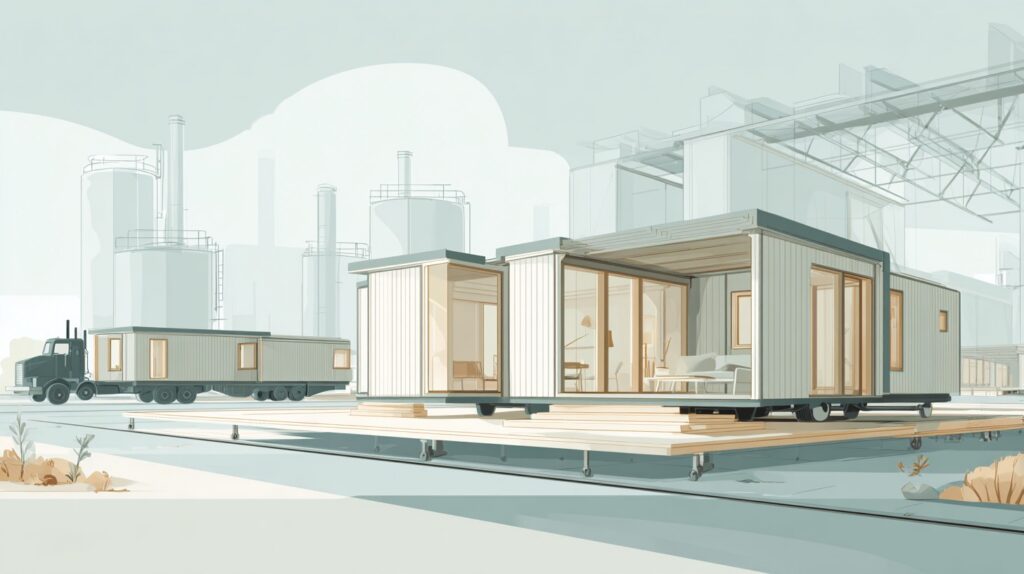

Can you place a prefab home on any land you own? It is a common assumption that owning land automatically gives you the right to build whatever type of home you choose. In reality, placing a prefab home depends on zoning laws, building codes, access to utilities, environmental conditions, and local permitting requirements.
Prefab homes, including modular homes, panelized homes, ADUs, and even some barndominiums, are permanent residential structures. That means they must comply with the same local regulations as traditional site-built homes. The answer to whether you can build on your land is often “it depends.” Understanding what it depends on is the key to avoiding delays and unexpected costs.
Land Ownership Does Not Automatically Equal Building Rights
Owning a parcel of land gives you property rights, but those rights are regulated by local, county, and state authorities. Municipalities use zoning codes and building regulations to control land use. These rules exist to manage density, safety, infrastructure, and environmental impact.
Before placing a prefab home on land you own, you typically need to confirm:
- That residential construction is permitted on the property
- That your specific type of prefab home is allowed
- That the lot meets minimum size and setback requirements
- That utilities can be legally installed or accessed
Skipping this research can result in purchasing a prefab home that cannot legally be installed on your land.
Zoning Is the First Major Gatekeeper
What Zoning Controls
Zoning regulations determine how land can be used. Even if your property is zoned residential, there may be restrictions on:
- Minimum square footage
- Roof pitch and exterior materials
- Foundation type
- Number of dwellings allowed
- Placement of ADUs or secondary units
Some areas treat modular homes the same as traditional homes. Others may have specific rules regarding manufactured housing. In certain neighborhoods, homeowners associations may impose additional design standards.
When searching for prefab homes near me, it is important to confirm how your local jurisdiction classifies factory-built housing. Definitions vary.
Rural vs Urban Land
Rural land often offers more flexibility but may lack utilities or road access. Urban and suburban parcels typically have better infrastructure but stricter zoning controls.
Neither environment guarantees approval. Each location must be evaluated individually.
Building Permits Are Still Required
Prefab homes do not bypass building permits. Even though modules may be constructed in a factory, the installation, foundation, and utility connections occur on-site and must meet local building codes.
You will typically need:
- A building permit
- Foundation approval
- Electrical, plumbing, and mechanical permits
- Final inspection and certificate of occupancy
Local building departments review plans to ensure structural, safety, and energy code compliance. Approval timelines vary widely by municipality.
Utilities and Infrastructure Considerations
Even if zoning allows residential construction, access to utilities can determine feasibility.
Water and Sewer
If public utilities are unavailable, you may need:
- A private well permit
- A septic system permit and soil test
Soil conditions can influence septic approval. Some properties may require engineered systems, increasing cost.
Electric and Gas
Utility companies must confirm service availability. Extending power lines or gas connections can add substantial expense, particularly on rural land.
Road Access
Prefab modules are transported by truck. Narrow roads, steep grades, or limited access can complicate delivery. In some cases, improvements to access roads may be required.
Environmental and Geographic Factors
Environmental regulations can also affect whether you can place a prefab home on your land.
Possible restrictions include:
- Floodplain regulations
- Wetland protections
- Coastal zone restrictions
- Wildfire hazard zones
- Seismic design requirements
Building in flood-prone areas may require elevated foundations. Seismic zones may require reinforced engineering. These requirements are not unique to prefab homes but can affect design and cost.
Cost Implications of Land-Specific Challenges
Even when land is legally buildable, site conditions can significantly affect total project cost.
Potential land-related expenses include:
- Grading and excavation
- Retaining walls
- Tree removal
- Drainage systems
- Long driveway construction
These costs are typically not included in base prefab pricing. Buyers researching prefab location feasibility should factor them into overall budgeting.
Timeline Considerations
Land approval can affect the overall move-in timeline as much as factory production.
Key time variables include:
- Zoning review and approvals
- Environmental assessments
- Utility installation scheduling
- Permit processing
In some cases, these steps may take longer than the actual prefab manufacturing process.
Pros and Cons of Placing a Prefab Home on Existing Land
Potential Advantages
- Flexibility to design around your specific property
- Opportunity to build in rural or scenic locations
- Potential land equity if owned outright
Potential Challenges
- Zoning limitations
- Unexpected site preparation costs
- Infrastructure limitations
- Permit delays
The feasibility of placing a prefab home often depends more on the land than on the home itself.
Common Misconceptions
“If I own it, I can build anything.”
Local governments regulate land use regardless of ownership.
“Prefab homes are temporary and easier to approve.”
Most modular and prefab homes are permanent dwellings and must meet the same codes as traditional homes.
“Rural land has no restrictions.”
Rural areas may still have zoning rules, environmental constraints, and septic requirements.
How to Evaluate Your Land Before Ordering a Prefab Home
Before signing a contract with a builder, consider:
- Confirming zoning designation with your local planning department
- Reviewing deed restrictions or HOA rules
- Consulting a local builder familiar with regional codes
- Obtaining preliminary utility assessments
Platforms like PrefabNearMe can help identify builders who understand local permitting and zoning conditions in your area. Working with professionals who have regional experience often reduces uncertainty.
Frequently Asked Questions
Can I place a modular home on agricultural land?
In many cases, yes, but zoning rules vary. Some agricultural zones allow residential structures with specific conditions.
Do prefab homes require permanent foundations?
Most modular and many prefab homes require permanent foundations to meet residential building codes and financing requirements.
Can I build an ADU prefab on my property?
ADU regulations vary by city and state. Many jurisdictions allow them under specific size and placement guidelines.
Are there states where prefab homes are easier to approve?
Approval processes vary widely. Some states have streamlined modular approval systems, but local zoning still applies.
Final Thoughts
You cannot automatically place a prefab home on any land you own. Zoning laws, building codes, environmental regulations, and infrastructure availability all play important roles in determining feasibility. While prefab construction can offer flexibility and efficiency, success depends heavily on local approval and site conditions.
Carefully researching your land, speaking with local planning authorities, and consulting experienced regional builders will provide clarity before you commit to a design. Taking these steps helps ensure that your prefab home project aligns with both regulatory requirements and your long-term goals.