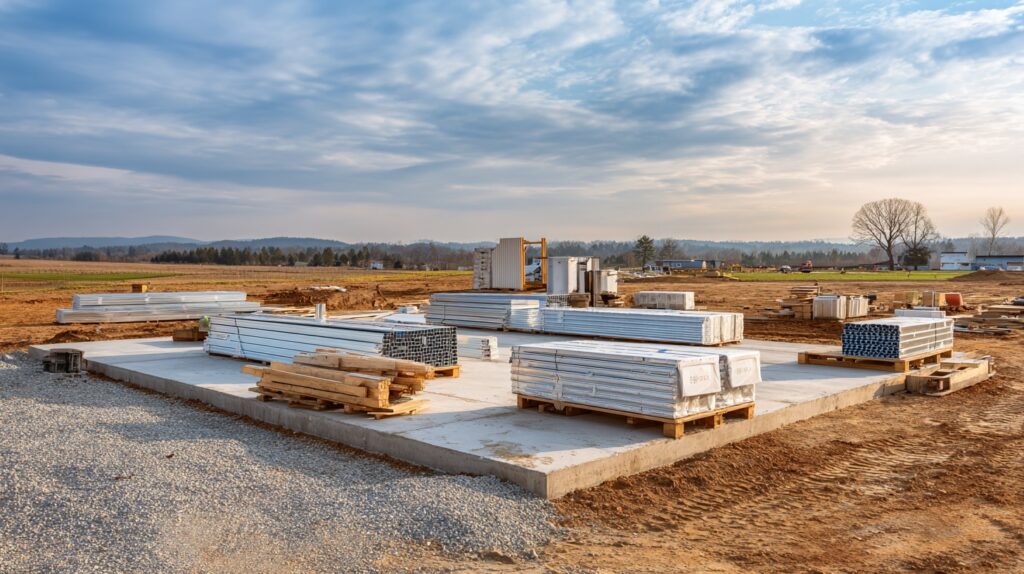

What costs are not included in prefab home pricing? This is one of the most important questions buyers should ask before comparing modular homes, panelized systems, or other prefab options. Advertised prices can look straightforward, but they rarely represent the full cost required to move into a finished home.
Understanding what is excluded from prefab pricing helps buyers budget realistically, avoid cost overruns, and compare builders accurately. Whether you are researching modular homes, ADUs, barndominiums, or browsing options through PrefabNearMe, knowing the difference between base price and total project cost is essential.
What “Base Price” Usually Means in Prefab Construction
When a prefab company advertises a price per square foot, that number typically refers to the factory-built portion of the home only. This may include:
- The structural shell or modular sections
- Standard interior finishes
- Basic plumbing and electrical systems installed in the factory
- Windows, doors, and roofing included in the standard package
What it usually does not include are the costs associated with land, site preparation, foundation work, utilities, permits, delivery, or final on-site completion.
This distinction is critical when comparing prefab homes to traditional site-built construction. The structural portion is only one component of the total investment.
Land Purchase
Prefab home pricing almost never includes the cost of land. Buyers must purchase a lot separately before construction can begin.
Land prices vary widely based on:
- Urban versus rural location
- Availability of utilities
- Road access and topography
- Zoning designation
In many markets, land can represent a significant portion of the overall budget. Buyers searching for prefab homes near me should evaluate lot pricing alongside home pricing from the beginning.
Site Preparation and Grading
Before delivery, the building site must be cleared and prepared. Site work is frequently underestimated in prefab cost discussions.
Typical site preparation expenses include:
- Tree removal and clearing
- Excavation and grading
- Soil testing and engineering reports
- Temporary access roads or driveway improvements
Steep, rocky, or heavily wooded lots can increase costs significantly. Environmental regulations in some jurisdictions may require additional studies or erosion control measures.
Foundation Construction
The foundation is almost always excluded from the base prefab price.
Depending on design and local building codes, foundations may include:
- Concrete slab-on-grade
- Crawlspace
- Full basement
Costs vary by region, soil conditions, and frost depth requirements. In colder climates, deeper foundations may be required to meet code.
Utility Connections
Connecting the home to essential utilities is another major cost category that is typically not included in prefab pricing.
This may involve:
- Municipal water connection or private well installation
- Sewer hookup or septic system installation
- Electrical service line and panel upgrades
- Natural gas or propane setup
In rural areas, installing a well and septic system can add considerable expense. In urban settings, municipal tap fees and connection charges may apply.
Delivery and Crane Services
Prefab modules must be transported from the factory to the building site. Transportation costs depend on:
- Distance from the manufacturing facility
- Number and size of modules
- Oversize load permits required for transport
Modular homes often require cranes to lift and place sections onto the foundation. Crane rental and operator fees are typically separate from the advertised home price.
Permits, Fees, and Inspections
Prefab homes are subject to the same local permitting requirements as traditional homes.
Permit-related costs may include:
- Building permit fees
- Impact fees
- Utility tap fees
- Engineering review charges
These fees vary widely by municipality. In some areas, impact fees alone can add thousands of dollars to a project.
Resources like PrefabNearMe can help buyers identify builders familiar with local permitting requirements, which may reduce delays and unexpected costs.
Interior and Exterior Upgrades
The advertised prefab price typically reflects standard finishes. Many buyers choose upgrades such as:
- Premium flooring materials
- Upgraded cabinetry and countertops
- Enhanced exterior siding
- Higher-efficiency HVAC systems
Upgrades can significantly increase the final price. Comparing prefab costs accurately requires evaluating finish levels, not just structural pricing.
Landscaping and Exterior Improvements
Landscaping is rarely included in prefab home pricing.
Additional expenses may include:
- Final grading and seeding
- Driveways and walkways
- Decks, porches, or patios
- Fencing and retaining walls
Some jurisdictions require certain exterior improvements before issuing a certificate of occupancy.
Financing and Carrying Costs
Construction loans often accrue interest during the build process. Buyers may also incur:
- Appraisal fees
- Loan origination fees
- Rate lock extensions if timelines shift
If permitting or site preparation takes longer than expected, carrying costs increase accordingly.
Timeline-Related Cost Variables
Prefab construction can reduce on-site framing time, but total project duration still depends on permitting, site work, and inspections.
Potential timeline-related cost drivers include:
- Weather delays
- Inspection backlogs
- Supply chain adjustments
Understanding the full prefab moving timeline helps align financial planning with realistic expectations.
Zoning and Location-Specific Issues
Zoning regulations can influence total project cost.
Some municipalities require:
- Minimum square footage
- Specific exterior materials
- Architectural review board approval
In certain areas, prefab ADUs or barndominiums may face additional review compared to modular homes built under standard residential codes.
When researching prefab homes near me, verifying zoning compatibility early can prevent costly redesigns.
Common Misconceptions About Prefab Pricing
“The advertised price is the total cost.”
Most advertised prices reflect factory construction only, not full project cost.
“Prefab avoids permit fees.”
Local building permits and inspections still apply to prefab homes.
“Prefab is automatically cheaper than traditional construction.”
Cost comparisons depend heavily on land, site conditions, finish level, and location.
Pros and Cons of Prefab Cost Structure
Advantages
- Factory pricing can be more predictable for the structure itself
- Reduced on-site labor exposure to weather
- Potential material efficiency in controlled environments
Limitations
- Significant site-dependent costs
- Transportation and crane expenses
- Local fees that vary widely by jurisdiction
How to Budget More Accurately
To avoid surprises, buyers should request a detailed scope breakdown separating:
- Factory-built components
- Site work and foundation
- Utility installation
- Permit and inspection fees
- Upgrade allowances
Using PrefabNearMe to compare builders in your area can also help clarify what is included in pricing and identify companies familiar with local requirements.
Frequently Asked Questions
Are foundation costs included in prefab pricing?
In most cases, foundation costs are separate from the advertised home price.
Do prefab prices include delivery?
Some builders include delivery within a limited distance. Others charge based on mileage and module size.
Are permits included?
Permit fees are typically paid directly to local authorities and are not included in base pricing.
Is prefab cheaper overall?
Prefab homes can offer efficiencies, but total cost depends on land, utilities, and local conditions.
Final Thoughts
Prefab home pricing often reflects only the factory-built portion of the structure. Land, foundation, utilities, delivery, permits, and site preparation are usually separate expenses that must be included in a realistic budget.
By understanding what is excluded and comparing builders carefully, buyers can make informed decisions and plan responsibly. Continuing to research local requirements and available builders through platforms like PrefabNearMe provides a clearer path toward selecting the right prefab option for your location and goals.