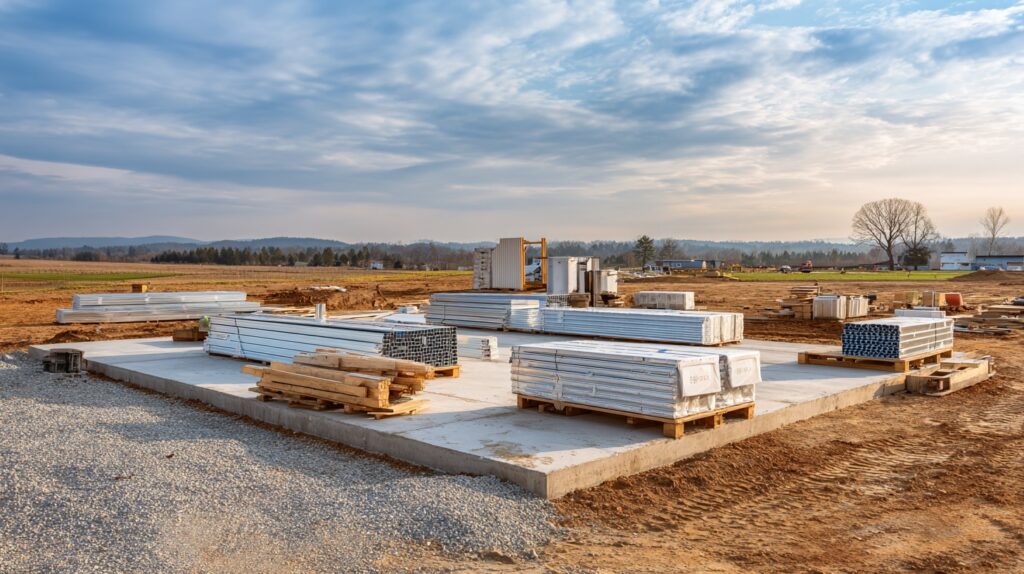

Budgeting for an affordable prefab home sounds straightforward at first. A builder lists a price, the home is factory-built, and costs should be predictable. In practice, many buyers are surprised by how much the total project can differ from the advertised price.
This gap between expectation and reality is one of the biggest sources of frustration in prefab housing. Understanding where costs typically appear, what is usually excluded from base pricing, and how timing and location affect budgets can help you plan more accurately. This guide walks through how to budget for an affordable prefab home step by step, with a focus on avoiding the most common financial surprises.
Start With the Right Definition of “Affordable”
In prefab housing, affordability is relative. A home that is affordable in one market or on one type of land may be far less affordable in another.
When budgeting, it helps to separate affordability into two questions:
- What does the prefab home itself cost?
- What does it cost to make that home legally livable on a specific site?
Most surprises come from focusing on the first question while underestimating the second.
Understand What the Base Price Usually Includes
Prefab home prices are often presented as a base cost for the structure. This number can be useful for comparisons, but it is rarely the full project cost.
A base price typically includes:
- The factory-built structure or modules
- Standard interior finishes
- Basic mechanical systems within the structure
It often does not include delivery, installation, site work, or permitting.
Questions to Ask About Base Pricing
- Is this price for a finished home or a shell?
- Are appliances included?
- Does it assume a specific foundation type?
Account for Land Costs Early
Land is not always included when people talk about affordable prefab homes, but it can be one of the largest line items.
Key land-related costs include:
- Purchase price or lease cost
- Closing fees and taxes
- Site access and preparation
Even if land is already owned, its characteristics can significantly affect the overall budget.
Budget for Site Preparation and Foundations
Site work is one of the most variable costs in prefab housing.
Common site-related expenses include:
- Clearing and grading
- Soil testing or engineering reports
- Excavation
- Foundations or piers
Flat, accessible sites are usually far less expensive to prepare than sloped or remote properties.
Foundation Choices Affect Cost
Affordable prefab homes may use:
- Slab-on-grade foundations
- Crawlspaces
- Piers or pilings
Local building codes often dictate what foundation types are allowed.
Plan for Utility Connections and Infrastructure
Utilities are a frequent source of budget overruns.
Costs can include:
- Water connections or wells
- Sewer hookups or septic systems
- Electrical service
- Internet or communication infrastructure
In rural areas, utility installation can exceed the cost of the prefab structure itself.
Include Permits, Fees, and Professional Services
Permitting costs vary widely depending on location.
Possible fees include:
- Building permits
- Impact fees
- Zoning reviews
- Plan checks and inspections
You may also need professional services such as surveyors, engineers, or architects, even for prefab homes.
Factor in Delivery and Installation
Prefab homes must be transported from the factory to the site.
Delivery costs depend on:
- Distance from the factory
- Size of modules or panels
- Road access
Installation costs may include cranes, on-site crews, and coordination with local inspectors.
Interior and Exterior Finishing Costs
Even turnkey prefab homes may have finishing costs that are not obvious upfront.
Examples include:
- Flooring upgrades
- Cabinet or fixture changes
- Exterior decks, steps, or ramps
- Landscaping
Small upgrades can add up quickly if they are not planned in advance.
Timeline Matters More Than Many Buyers Expect
Delays can increase costs.
Common delay-related expenses include:
- Extended financing costs
- Temporary housing
- Storage fees
Permitting and site preparation often take longer than the factory build itself.
Build in a Contingency Buffer
No matter how carefully you plan, unexpected expenses are common.
Many experienced buyers set aside:
- 10 to 20 percent of the total project budget as contingency
This buffer can absorb minor changes without forcing major compromises.
Common Budgeting Mistakes to Avoid
Assuming the advertised price is the final cost
Marketing prices rarely reflect the full project scope.
Underestimating site complexity
Challenging sites drive costs up quickly.
Ignoring local zoning constraints
Zoning issues can require redesigns or additional approvals.
Skipping professional advice
Early input from local experts often saves money later.
How Affordable Prefab Homes Compare to Other Housing Options
Compared to traditional site-built homes, prefab homes often offer:
- More predictable construction costs
- Shorter build timelines
- Less material waste
However, they are not immune to external costs tied to land and regulation.
Frequently Asked Questions
Can prefab homes really stay affordable?
Yes, when site conditions are favorable and budgets are realistic.
What is the biggest hidden cost in prefab housing?
Site work and utilities are often underestimated.
Are affordable prefab homes harder to finance?
Financing varies by lender, location, and project structure.
Is it cheaper to buy turnkey or finish a prefab home yourself?
This depends on skill level, time, and local labor costs.
Final Thoughts
Budgeting for an affordable prefab home without surprises requires shifting focus from headline prices to total project costs. The most successful buyers are those who ask detailed questions early, understand their site and local regulations, and leave room in the budget for the unexpected.
With careful planning, prefab housing can still offer a practical and accessible path to homeownership. Continuing to research local options and cost structures is the best way to keep affordability aligned with reality.