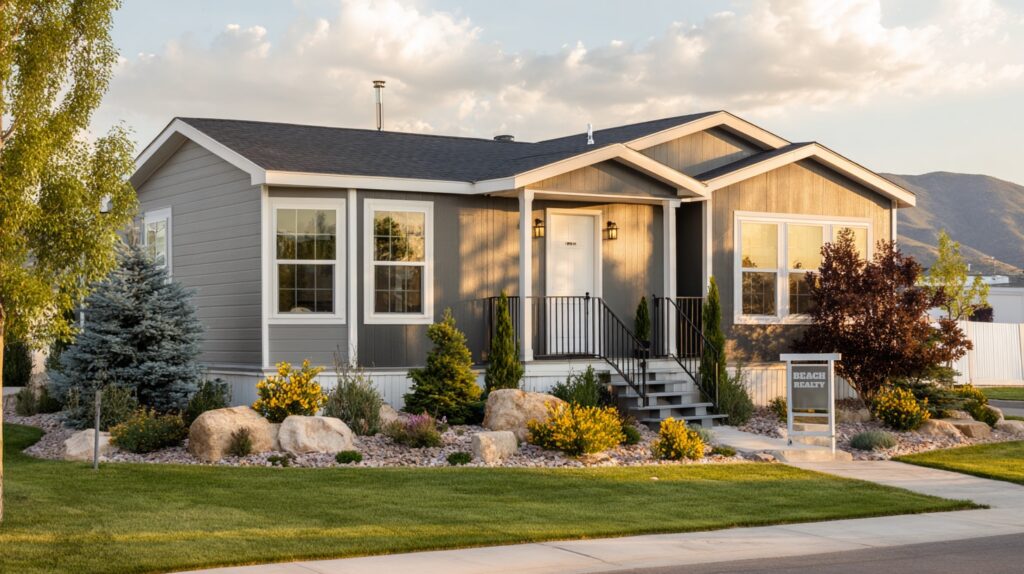

Modern prefab homes have moved from a niche housing option to a serious consideration for many homebuyers. Once associated with limited designs or temporary structures, today’s prefab homes are increasingly viewed as a practical, well-designed alternative to traditional site-built houses.
This shift is not driven by trends alone. It reflects deeper changes in housing costs, construction timelines, labor availability, zoning pressures, and buyer expectations. Understanding why modern prefab homes are gaining popularity right now helps explain how the housing market is evolving and where it may be headed.
What Makes a Prefab Home “Modern” Today
Modern prefab homes are defined less by how they look and more by how they are designed and built. While aesthetics often include clean lines, simple forms, and open interiors, the modern aspect is tied to efficiency, performance, and repeatable quality.
Most modern prefab homes share a few characteristics:
- Factory-based construction using modular or panelized systems
- Contemporary layouts designed around efficient use of space
- Energy-conscious assemblies and building envelopes
- Streamlined design choices rather than unlimited customization
These traits align closely with the realities many buyers face today.
Rising Construction Costs Are Changing Buyer Behavior
Predictability Matters More Than Ever
Traditional home construction has become increasingly expensive and difficult to budget. Material prices fluctuate, labor shortages create delays, and change orders often push projects beyond their original scope.
Modern prefab homes appeal to buyers because costs are often clearer earlier in the process. While site work and permits still vary, the home itself is usually priced as a defined product.
This predictability helps buyers:
- Plan financing more confidently
- Avoid surprise cost overruns
- Compare options more realistically
Labor Efficiency Offsets Market Pressures
Construction labor shortages have affected nearly every region. Prefab homes reduce reliance on large on-site crews by shifting much of the work into controlled factory environments.
This does not eliminate labor costs, but it often reduces exposure to delays caused by workforce availability.
Faster Timelines Appeal to Practical Buyers
Parallel Construction Processes
One of the strongest drivers of prefab adoption is time. Modern prefab homes can often be completed faster than traditional builds because multiple phases happen at once.
While the home is being built in a factory:
- Foundations can be prepared
- Utilities can be planned or installed
- Permitting can move forward
This parallel process shortens the overall timeline without rushing individual steps.
Reduced Weather-Related Delays
Factory construction limits exposure to weather, which can slow or damage site-built projects. This consistency improves scheduling reliability.
Design Expectations Have Shifted
Buyers Want Thoughtful, Not Excessive, Customization
Many modern buyers are less interested in designing every detail from scratch. Instead, they want homes that are already well thought out.
Modern prefab homes provide:
- Proven floor plans
- Efficient room relationships
- Curated material and finish options
This approach reduces decision fatigue while still allowing personalization within defined limits.
Smaller Homes With Better Layouts
Rising land and construction costs have pushed buyers toward smaller homes. Modern prefab designs often emphasize usability over size, making modest square footage feel more livable.
Zoning and Land Use Pressures Are Reshaping Housing
Interest in Infill and Accessory Housing
In many areas, zoning reforms have opened the door to additional housing types such as accessory dwelling units and small primary residences.
Prefab homes are well suited for these uses because they:
- Fit within defined size limits
- Reduce on-site disruption
- Allow faster neighborhood integration
This has expanded demand beyond rural or vacation markets.
Not All Locations Are Equal
Despite growing interest, prefab homes still face zoning challenges in some jurisdictions. Design review standards, transportation access, and local building codes can all influence feasibility.
This variability has made buyers more research-oriented and location-aware.
Environmental and Energy Considerations
Factory Precision Improves Performance
Modern prefab homes often benefit from tighter construction tolerances. Consistent assembly can improve:
- Insulation quality
- Air sealing
- Overall building performance
These benefits depend on the builder’s standards, but factory environments generally allow better quality control.
Reduced Material Waste
Prefab construction typically produces less waste than on-site building. Materials are cut more precisely and excess is easier to manage in factories.
While not inherently sustainable by default, prefab systems often align with efficiency goals.
Changing Lifestyles and Work Patterns
Remote Work Has Expanded Location Options
As more people work remotely, the need to live near traditional job centers has decreased. This has increased interest in:
- Smaller towns
- Rural or semi-rural land
- Vacation-style primary residences
Modern prefab homes fit well into these settings due to simpler construction logistics and predictable costs.
Second Homes and Flexible Living
Prefab homes are also popular for secondary residences, guest houses, and transitional housing. Their defined scope and faster delivery make them easier to plan.
Pros and Cons Driving the Trend
Advantages Fueling Adoption
- Clearer pricing earlier in the process
- Shorter and more reliable timelines
- Consistent construction quality
- Designs aligned with modern living patterns
Limitations That Still Matter
- Design flexibility is more limited
- Delivery and site access constraints
- Zoning acceptance varies widely
These tradeoffs explain why prefab is not replacing traditional construction but is growing alongside it.
Common Misconceptions About Prefab Homes
“Prefab Homes Are Temporary”
Modern prefab homes are permanent structures built to meet local building codes.
“Prefab Means Low Quality”
Quality depends on the builder and system, not the construction method.
“Prefab Is Only for Small or Cheap Homes”
Prefab homes span a wide range of sizes and price points.
Why the Timing Matters Now
The growing popularity of modern prefab homes is not accidental. It reflects overlapping pressures:
- High construction costs
- Labor shortages
- Desire for faster housing delivery
- More informed and practical buyers
Prefab homes align well with these conditions, even though they are not a universal solution.
Frequently Asked Questions
Are modern prefab homes cheaper than traditional homes?
They are often more predictable in cost, but total pricing depends on location, site work, and finishes.
Do prefab homes hold their value?
Value depends on quality, design, and market conditions rather than construction method.
Can prefab homes be built anywhere?
Feasibility depends on zoning, access, and local building codes.
Are prefab homes customizable?
Customization is typically limited to predefined options, depending on the system.
Closing Thoughts
Modern prefab homes are gaining popularity because they respond directly to today’s housing challenges. They offer clarity in pricing, efficiency in construction, and designs that align with contemporary lifestyles.
While they are not the right fit for every site or buyer, their growing presence reflects a broader shift toward more efficient, predictable ways of building homes. Continuing to research local options, zoning requirements, and site conditions is the best way to determine whether a modern prefab home makes sense for your situation.