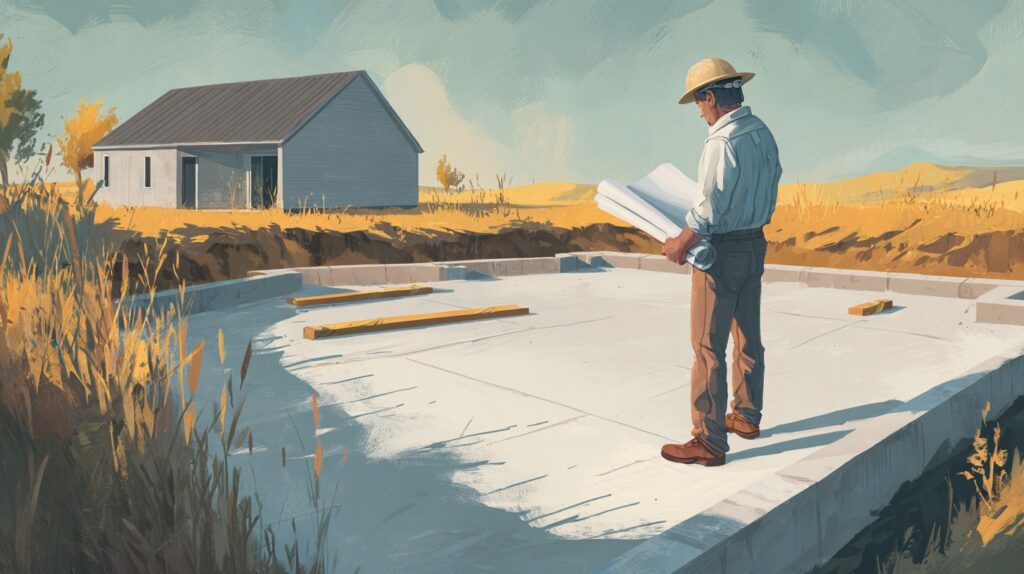

Tiny house kits are often presented as a simple, affordable way to build a small home. For first-time buyers, they can look especially appealing: a defined package, a lower starting price, and the promise of doing at least some of the work yourself. In practice, tiny house kits require careful planning, realistic budgeting, and a clear understanding of local rules.
This guide is written for beginners who are seriously considering a tiny house kit and want to understand what they are actually buying, what comes next, and what pitfalls to avoid before committing.
What Is a Tiny House Kit?
A tiny house kit is a package of pre-cut or pre-fabricated components designed to create the basic structure of a small home. Most kits are intended to simplify construction, not eliminate it.
For beginners, the most important thing to understand is that a kit is not a finished house. It is usually closer to a shell or structural starting point.
What Most Tiny House Kits Include
- Pre-cut framing or wall panels
- Roof structure components
- Exterior sheathing
- Fasteners and assembly instructions
Some kits may include windows, doors, or roofing materials, but this varies widely. Always review the inclusion list carefully.
What Kits Usually Do Not Include
- Plumbing, electrical, or HVAC systems
- Interior finishes like drywall or flooring
- Kitchens and bathrooms
- Foundation or trailer
- Permits or site work
Why Tiny House Kits Attract Beginners
Tiny house kits often appeal to first-time builders for understandable reasons.
- Lower upfront cost compared to finished prefab homes
- A defined scope that feels less overwhelming than a custom build
- The opportunity to do some work yourself
However, these benefits only hold up when expectations are realistic.
Cost Considerations: The Real Budget
One of the most common mistakes beginners make is focusing only on the kit price. In reality, the kit is often a minority of the total cost.
Typical Kit Price Ranges
- Basic shell kits: often $15,000 to $30,000
- More complete structural kits: often $30,000 to $50,000
Additional Costs Beginners Should Expect
- Interior build-out materials
- Licensed electrical and plumbing work
- Heating and cooling systems
- Foundation or trailer
- Utility connections
- Permits and inspections
Finished costs for tiny house kits commonly fall between $60,000 and $150,000 or more, depending on finish level, labor choices, and location.
Timeline: How Long Does a Kit Build Take?
Beginners often underestimate how long a kit-based build takes.
DIY-Focused Builds
If you plan to do much of the work yourself, timelines often stretch to 9 to 18 months. Weekend-only work, inspection delays, and learning curves all add time.
Hybrid Builds With Contractors
Hiring professionals for mechanical systems can shorten timelines, but even then, 6 to 12 months is common from delivery to occupancy.
Skill Level: Be Honest About DIY Capacity
Tiny house kits are not inherently beginner-proof. Some are more approachable than others, but all require a baseline level of construction understanding.
Tasks Beginners Can Often Handle
- Basic framing assembly with guidance
- Insulation installation
- Interior finish work
Tasks That Often Require Professionals
- Electrical work subject to inspection
- Plumbing connections
- Foundation construction
- Final code compliance work
Local building departments may require licensed trades regardless of skill level.
Zoning, Permits, and Legal Reality
For beginners, zoning and permitting are often the most misunderstood aspects of tiny house kits.
Key Questions to Answer Early
- Is a tiny house allowed as a primary residence?
- Are minimum square footage requirements enforced?
- Is a foundation required?
- Are tiny homes on wheels permitted?
Rules vary widely by city and state. A kit that works legally in one area may not be allowed at all in another.
Foundation vs Wheels: A Beginner Decision Point
Many kits are marketed as flexible, but the choice between a foundation and wheels has major implications.
Foundation-Based Kits
- More likely to meet residential building codes
- Easier to permit as full-time housing
- Higher site preparation costs
Wheel-Based Kits
- May avoid some building code requirements
- Often restricted to RV zones or special areas
- Limited options for full-time legal occupancy
Pros and Cons for First-Time Buyers
Advantages
- Lower entry point than custom builds
- Hands-on learning experience
- Potential cost control with careful planning
Tradeoffs
- Finished cost can exceed expectations
- Permitting challenges are common
- Time commitment is significant
- Resale value can be unpredictable
Common Beginner Mistakes
Assuming the Kit Is the House
Many beginners discover too late that the kit is only the starting point.
Skipping Local Research
Buying a kit before confirming zoning and permit rules can stall or end a project.
Underestimating Labor and Time
Even motivated builders often take longer than planned.
Over-Customizing Mid-Build
Design changes during construction can quickly inflate costs.
How to Evaluate a Tiny House Kit as a Beginner
Before purchasing, it helps to:
- Request a detailed inclusion and exclusion list
- Ask how the kit has been permitted in other locations
- Confirm local inspection requirements
- Build a realistic all-in budget with contingency
Comparing kits with finished prefab tiny homes can also provide useful perspective.
Frequently Asked Questions
Are tiny house kits good for complete beginners?
They can be, but only with realistic expectations and local rule confirmation upfront.
Do tiny house kits save money?
Sometimes, but savings depend on labor choices, finish level, and permitting requirements.
Can I live full-time in a tiny house kit?
That depends on zoning, foundation type, and local building codes.
Is financing available for tiny house kits?
Financing can be limited and often differs from traditional home loans.
Final Thoughts
Tiny house kits can be a practical entry point into small-scale housing, but they are not a shortcut around cost, time, or regulations. For beginners, the most important step is understanding the full scope of what comes after the kit is delivered.
Taking time to research local rules, realistic budgets, and alternative prefab options can help ensure that a tiny house kit is the right fit for your goals and your location.