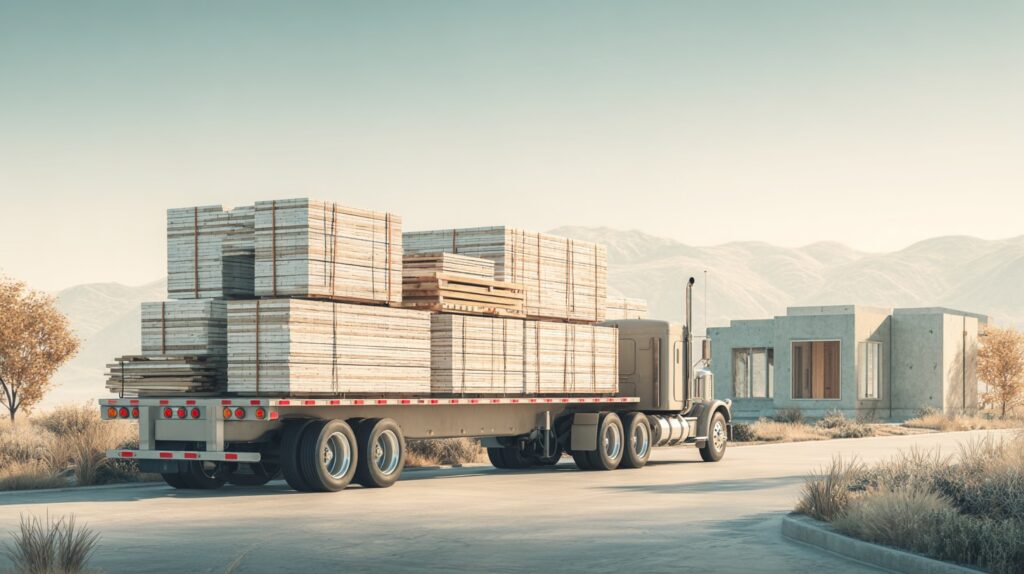

Prefab homes are often described as faster, more efficient, or more predictable than traditional construction—but many buyers still aren’t clear on how the process actually works. Understanding how prefab homes are built from factory to foundation helps homeowners set realistic expectations around cost, timeline, permitting, and what decisions need to be made at each stage.
This guide walks through the full prefab home process step by step, from early design and factory construction to delivery, installation, and final inspections. The goal is to provide clear, practical information for buyers who are researching seriously and want to understand what happens behind the scenes.
What “Prefab Home” Really Means
“Prefab” (short for prefabricated) is an umbrella term for homes that are built partially or largely in a factory setting rather than entirely on-site. The degree of factory construction varies, which is why prefab homes can look and feel very different from one another.
Common Types of Prefab Homes
- Modular homes: Built in large sections (modules) in a factory and assembled on-site
- Panelized homes: Walls, floors, and roof panels are factory-built and assembled on-site
- Manufactured homes: Built on a permanent chassis under federal HUD standards
- Other prefab systems: Including kit-based, hybrid, or component-based approaches
This article focuses primarily on modular and panelized prefab homes, which are most often compared to site-built houses and typically comply with local residential building codes.
Step 1: Design, Planning, and Pre-Construction
The prefab process begins long before anything is built in a factory.
Choosing a Prefab Builder or System
Buyers typically start by selecting a prefab home provider whose designs, price range, and delivery area align with their goals. Some prefab builders offer standardized floor plans, while others allow varying levels of customization.
Key early decisions often include:
- Home size and layout
- Number of modules or panels
- Exterior finishes and roof style
- Interior options and upgrades
Site Evaluation and Feasibility
Even though the home is built in a factory, the site plays a major role in feasibility and cost. A site evaluation typically looks at:
- Zoning and land-use restrictions
- Setbacks, height limits, and lot coverage rules
- Soil conditions and slope
- Access for delivery trucks and cranes
- Utility availability (water, sewer/septic, power)
This is a critical step for buyers searching for “prefab homes near me,” since local rules and site conditions vary widely.
Permits and Approvals
Prefab homes usually require the same local permits as site-built homes. These may include:
- Building permits
- Zoning approvals
- Foundation permits
- Septic or well permits (if applicable)
For modular homes, plans are often reviewed both at the factory level and by the local building department. Panelized homes typically go through a standard local plan review.
Step 2: Factory Construction
Once plans are approved and contracts are in place, factory construction begins.
Why Factories Are Used
Factory construction allows builders to control conditions more tightly than on-site building. This can result in:
- Consistent quality control
- Protection from weather delays
- More efficient material use
- Shorter build times for the structure itself
It’s important to note that “factory-built” does not mean “assembly line” in the way cars are built. Much of the work is still done by skilled trades, just indoors.
How Modular Homes Are Built in the Factory
For modular homes, construction usually includes:
- Floor framing and subfloor installation
- Wall framing, sheathing, and insulation
- Windows and exterior doors
- Electrical and plumbing rough-ins
- Drywall and some interior finishes
Modules are built to withstand transportation and lifting, which often means stronger framing than typical site-built homes.
How Panelized Homes Are Built in the Factory
Panelized systems focus on components rather than full rooms. Factory work often includes:
- Pre-framed wall panels
- Floor and roof panels
- Pre-installed sheathing or insulation (depending on system)
Panelized homes shift more work to the site but still benefit from factory precision.
Step 3: Site Preparation and Foundation Work
While the home is being built in the factory, work usually begins on the site.
Site Prep Tasks
- Clearing and grading
- Excavation
- Utility trenching
- Driveway or access preparation
These tasks are typically handled by local contractors and are not included in the prefab home price.
Foundation Types for Prefab Homes
Prefab homes can be placed on many of the same foundation types as site-built homes, including:
- Slab-on-grade
- Crawlspace
- Full basement
- Piers or raised foundations (in some locations)
The foundation must be completed and inspected before the home is delivered.
Step 4: Transportation and Delivery
Once factory construction is complete, the home or its components are transported to the site.
Modular Home Delivery
Modular sections are typically delivered by truck and placed using a crane. Delivery logistics depend on:
- Road access and turning radius
- Overhead obstacles like power lines or trees
- Local delivery regulations
In some cases, delivery constraints influence home design.
Panelized Home Delivery
Panelized components are delivered as bundled panels and assembled on-site. This can be advantageous for sites with limited crane access.
Step 5: On-Site Assembly and Finishing
Once delivered, the home is assembled and completed on-site.
Assembly Timeline
For modular homes, setting the modules can take one to several days. For panelized homes, framing and enclosure may take several weeks.
On-Site Work Typically Includes
- Connecting modules or panels
- Sealing the building envelope
- Completing roofing and siding
- Interior finish work
- Utility hookups
At this stage, the prefab home begins to resemble a conventional house in terms of work required.
Cost Considerations Across the Process
Prefab pricing is often misunderstood.
What the Prefab Price Usually Covers
- Factory-built structure
- Specified finishes included in the package
- Engineering and factory inspections
What Is Usually Extra
- Land purchase
- Site prep and foundation
- Permits and fees
- Utility connections
- Delivery and crane costs (sometimes)
Total project cost depends heavily on location, site complexity, and finish level.
Pros and Cons of the Prefab Construction Process
Advantages
- Controlled factory conditions
- Reduced weather delays
- More predictable build schedules
- Consistent quality standards
Tradeoffs
- Design constraints based on transport limits
- Upfront planning required
- Site work costs still apply
- Local permitting requirements remain
Common Misconceptions About Prefab Homes
“Prefab means no on-site construction.”
Most prefab homes still require significant on-site work.
“Prefab homes don’t need permits.”
They usually require the same permits as site-built homes.
“Prefab homes are temporary.”
Modular and panelized homes are permanent structures when installed on approved foundations.
Zoning and Location-Specific Considerations
Prefab homes are subject to local zoning and building codes. Factors that may affect approval include:
- Minimum square footage requirements
- Exterior material standards
- Foundation type requirements
- Neighborhood design guidelines
This is why early coordination with local planning departments is essential.
Frequently Asked Questions
How long does it take to build a prefab home?
Factory construction often takes a few months, but total project timelines vary based on permits, site work, and finishing.
Are prefab homes cheaper than traditional homes?
They can be, but total cost depends on site conditions, finishes, and local labor costs.
Can prefab homes be customized?
Most prefab builders offer some level of customization, though it may be more limited than fully custom site-built homes.
Are prefab homes allowed everywhere?
Approval depends on local zoning and building codes, not the construction method alone.
Final Thoughts
Prefab homes follow a structured process that shifts much of the work from the construction site to a factory, but they are still real homes with real permitting, foundation, and finishing requirements. Understanding each phase—from design to factory build to on-site assembly—helps buyers evaluate whether prefab construction aligns with their expectations.
For homeowners exploring prefab homes, modular homes, ADUs, or other alternative housing options near them, continuing to compare processes, timelines, and local requirements is the best way to make informed decisions.